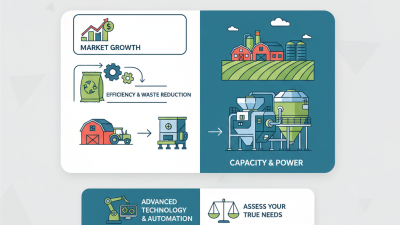
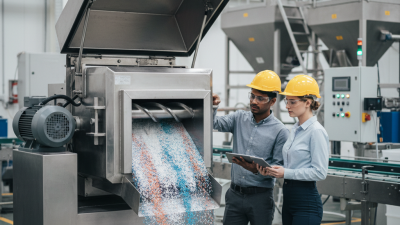
When it comes to industrial mixing, picking the right equipment really makes all the difference for getting things done efficiently. You’ve probably heard of Cone Mixers, and they’re pretty much becoming the go-to solution in a bunch of industries. According to a recent report from Grand View Research, the worldwide market for mixing equipment is expected to top $10 billion by 2027 — and a big part of that growth is thanks to new tech improvements in mixing methods. This trend just shows how important it is to have reliable, efficient mixing solutions, and Cone Mixers are right in the mix (pun intended).
Understanding Cone Mixers: Definition and Functionality
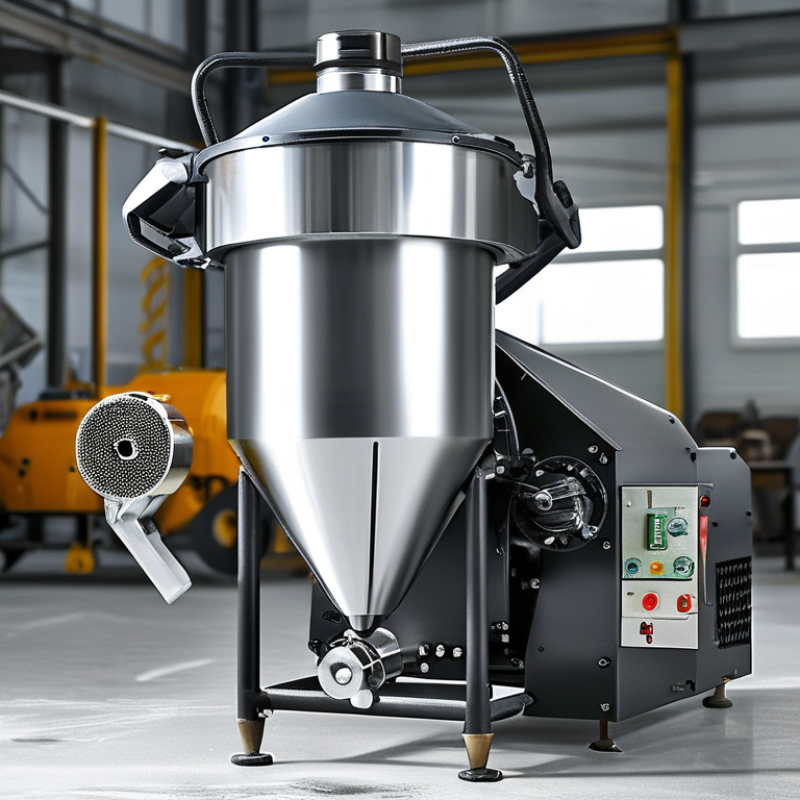
Cone mixers are essential in industries requiring uniform blending of powders and granules. A Vertical Cone Mixer utilizes gravity and motion to achieve a homogenous mix. This equipment enhances efficiency due to its unique geometry, which allows for consistent interaction among materials.
Understanding the functionality of cone mixers is crucial. They feature a tapered design that facilitates easy loading and unloading. Materials move as they cascade down the sides of the cone, ensuring a thorough blend. However, not all cone mixers offer the same results. Some operational variables, such as speed and batch size, can affect mixing quality.
While these mixers are efficient, challenges exist. For instance, the risk of segregation is a concern with certain powder types. Operators must monitor the mixing process closely to achieve desired outcomes. Regular maintenance is vital for optimal performance. Users should evaluate their specific needs before investing in a cone mixer.
Types of Cone Mixers: An Overview of Available Models
Cone mixers play a significant role in various industries, especially in food, pharmaceuticals, and chemicals. Different types of cone mixers are available, each designed to meet specific mixing requirements. The most common models include batch mixers and Continuous Mixers. Batch mixers typically handle smaller loads and allow for precise mixture control, often leading to consistent results. On the other hand, continuous mixers facilitate larger operations, ensuring uniformity in high-volume production.
Recent industry reports indicate that cone mixers can enhance mixing efficiency by up to 30% compared to traditional mixers. The unique conical shape allows for improved material flow and reduces dead zones, where materials can accumulate. However, challenges do exist. For instance, continuous mixers may require adjustments for varying material properties, which can lead to inefficiencies if not managed properly. Understanding the specifications and limitations of each model is crucial for optimizing operations.
Another aspect to consider is the maintenance of these mixers. Regular checks and balances are essential to avoid performance drops. Research suggests that proactive maintenance can extend the equipment's lifespan by 20%. Despite this, some companies underestimate the importance of maintenance, which often results in unexpected downtimes. Balancing efficiency with upkeep can be a delicate task but is necessary for long-term success in production environments.
Key Features to Look for in Efficient Cone Mixers
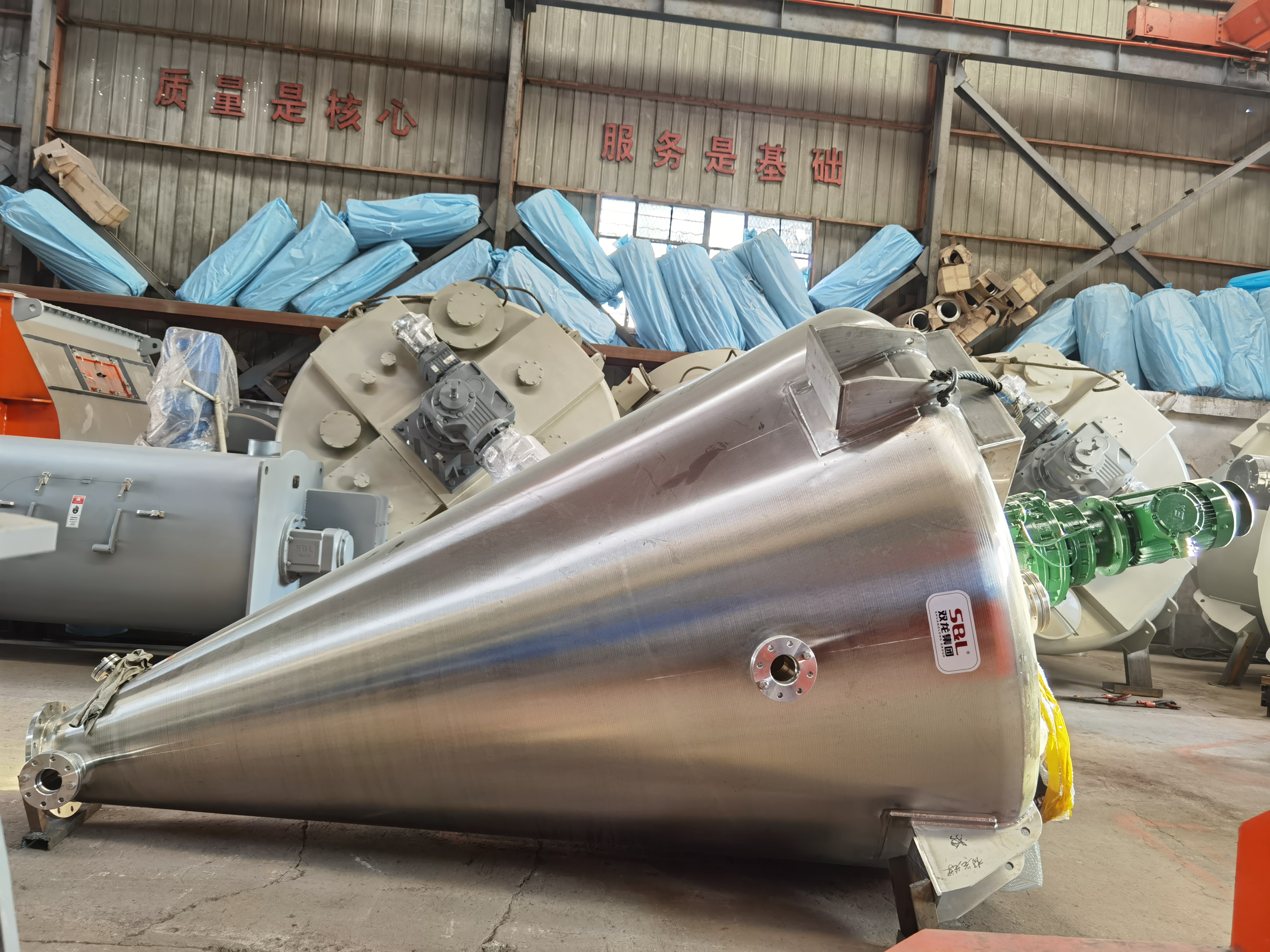
When considering a cone mixer, several key features can enhance your mixing process. Efficient cone mixers often have a versatile design, allowing for the blending of various materials. A Vertical Type Cone Mixer is particularly effective, as its shape promotes consistent material flow. This design reduces dead zones, ensuring even distribution of ingredients.
Another vital feature is the mixing speed control. Adjusting the speed based on material types can lead to better results. For finer powders, slower speeds may be necessary, while coarser materials can handle faster mixes. This flexibility is critical for achieving desired textures and consistency.
Tips: Always assess the mixer’s capacity before purchasing. An oversized mixer can lead to waste, while an undersized one may not meet demands. Look for models that have easy-to-clean surfaces. Hygiene is crucial, especially in food and pharmaceutical applications.
Also, consider the mixer’s material construction. Stainless steel is often preferred for its durability and resistance to corrosion. This ensures a longer lifespan and greater reliability. Ultimately, choosing the right cone mixer can significantly impact productivity and product quality.
Advantages of Using Cone Mixers in Various Industries
Cone mixers have gained attention across various industries for their ability to provide efficient and uniform mixing solutions. These mixers operate on a simple principle: materials are drawn into and mixed within a conical shape, reducing the time needed for blending. According to a recent report from the Mixing Technology Consortium, cone mixers achieve a mixing uniformity of up to 95%, making them ideal for bulk powders and granules in pharmaceuticals and food processing.
One key advantage of cone mixers is their versatility. They can handle different material consistencies, including dry powders and wet granules. This adaptability makes them suitable for industries ranging from cosmetics to plastics. Data from industry analysts shows that businesses using cone mixers report a 30% increase in production efficiency. However, they require regular maintenance to prevent issues that could arise from material buildup.
Tip: Always calibrate the mixer to ensure optimal performance. Under-performance can occur if the machine is not set properly. Additionally, monitor the mixing time, as over-mixing can affect the final product quality. Regular training for operators can help mitigate mistakes and improve outcomes.
Selecting the Best Cone Mixer: Tips and Considerations
When selecting the best cone mixer, it's crucial to consider a few key factors. Efficiency is paramount. According to industry reports, a well-designed Double Cone Blender can achieve uniform mixing in less than 10 minutes. This design reduces dead zones and ensures consistent ingredient distribution. Experts recommend focusing on the shape and size of the cone, as these factors greatly influence mixing performance.
Tip: Always check the capacity specifications. A mixer too large for your batch sizes can lead to ineffective mixing. On the other hand, an undersized model might struggle with heavier loads. Efficiency often hinges on the right size.
Material quality is another important consideration. High-quality stainless steel is preferred for its durability and ease of cleaning. Studies show that hygiene in food and chemical industries directly correlates with mixing equipment quality. Reflecting on maintenance needs is essential. A reliable machine will require less frequent repairs, saving costs in the long run.
Tip: Consider power requirements. A powerful motor increases mixing efficiency but may come with higher energy costs. Balancing power with operational efficiency is key for sustainable mixing practices.
Maintenance and Care for Optimal Cone Mixer Performance
Proper maintenance is crucial for any cone mixer. Regular cleaning prevents contamination that can affect product quality. Use a soft brush or cloth to wipe down the interior surfaces after each use. Pay attention to any buildup of materials, as this can lead to inefficiency. Rinse thoroughly to remove residual ingredients.
Check moving parts often. Lubrication is essential for smooth operation. Inspect the bearings and gears at least once a month. A small issue can lead to larger problems down the line. Sometimes, users overlook noise as a sign of wear. Don’t ignore unusual sounds; they often indicate the need for repairs.
Replacement parts might be necessary over time. Identify wear patterns during regular inspections. If a part fails, it can cause delays and increased costs. A proactive approach prevents these setbacks. Remember, maintaining your Feed Mixer is an investment in productivity. Even small tweaks can lead to significant improvements in mixing efficiency. Your efforts today will pay off in smoother operations tomorrow.
Case Studies: Successful Applications of Cone Mixers
Cone mixers have proven effective in various industries. Their design allows for consistent and uniform blending of materials. A recent case study in the pharmaceutical sector showcased this. A company faced challenges in mixing active pharmaceutical ingredients (APIs) with excipients. Traditional methods led to inconsistent dosages. By switching to a cone mixer, they achieved a homogenous blend. This change significantly improved product quality.
In the food industry, cone mixers have transformed production processes. One bakery struggled with mixing dry ingredients evenly. They decided to try cone technology. After implementation, they noted a marked reduction in ingredient segregation. Production efficiency increased, and waste decreased. Though the initial investment was considerable, the benefits justified the cost over time.
Not every application has been successful. Some users reported difficulties in cleaning the equipment. Residual materials adhered to internal surfaces. This highlighted the need for thorough cleaning protocols. Regular maintenance became essential to sustain performance. These experiences underscore the importance of proper training for operators. It’s crucial to maximize the benefits that cone mixers can offer.
Best Cone Mixer for Efficient Mixing Solutions? - Case Studies: Successful Applications of Cone Mixers
| Application | Material Type | Batch Size (kg) | Mixing Time (minutes) | Efficiency Improvement (%) |
| Pharmaceuticals | Powdered Chemicals | 500 | 10 | 25 |
| Food Industry | Spices & Herbs | 300 | 8 | 30 |
| Cosmetics | Creams & Lotions | 200 | 12 | 15 |
| Building Materials | Cement Mixes | 1000 | 15 | 20 |
| Plastics | Resin Blends | 750 | 14 | 22 |
FAQS
: Cone mixers are used for uniform blending of powders and granules across various industries.
They utilize gravity and motion, allowing materials to cascade for thorough blending.
Common types include batch mixers for small loads and continuous mixers for large operations.
Risks like segregation of powders exist, impacting mixing quality if not monitored.
Regular maintenance prevents contamination and inefficiency, extending the lifespan of the equipment.
Inspect moving parts and lubricate them at least once a month to ensure smooth operation.
Neglect can lead to unexpected downtimes and increased costs from equipment failure.
Regular cleaning prevents material buildup that may affect product quality and efficiency.
Unusual noises can indicate wear or issues; don’t ignore these warning signs.
The conical shape improves material flow and reduces dead zones, enhancing mixing efficiency significantly.
Conclusion
The article "Best Cone Mixer for Efficient Mixing Solutions" provides a comprehensive overview of cone mixers, highlighting their definition, functionality, and various types available in the market. It emphasizes the key features to consider when selecting an efficient cone mixer, such as mixing capacity, durability, and ease of operation. The advantages of using cone mixers across different industries are also discussed, showcasing their versatility in achieving uniform mixing of materials.
Furthermore, the article offers practical tips for selecting the best cone mixer, along with advice on maintenance and care to ensure optimal performance over time. Case studies illustrating successful applications of cone mixers underscore their effectiveness in real-world scenarios, making a compelling case for their use in various industrial settings. Overall, this article serves as a valuable resource for anyone looking to understand and choose the best cone mixer for their mixing needs.