When it comes to industrial drying setups, choosing the right equipment can really make a big difference in how efficient and productive your process is. Have you heard of a Vertical Dryer? It's pretty impressive and stands out from other options out there. Designed to perform well across different types of jobs, its vertical build helps in removing moisture effectively while saving energy at the same time.
What I find pretty cool about this technology is that it not only speeds up the drying process but also takes up less space in your facility—that’s a win, right? Usually, traditional dryers can be a bit of a pain—they often dry unevenly or gobble up a lot of energy, which isn't ideal. But the Vertical Dryer really tackles those issues head-on, making your operations a lot more reliable and smooth.
Many industries are already seeing the benefits from adopting this kind of drying technology. Still, to really get the most out of it, you need to know your specific needs—like what kind of material you're dealing with and how much moisture you need to remove. It can definitely boost your efficiency, but taking the time to evaluate your situation before investing is so important.
In short, if you're thinking about upgrading your drying process, a Vertical Dryer might just be worth considering—but keep in mind, understanding your own operational details is key to making it work for you.
Understanding Vertical Dryers in Industrial Applications
Vertical dryers have gained significant traction in various industrial sectors, offering tailored solutions for efficient moisture removal. According to a report by the International Journal of Advanced Manufacturing Technology, vertical dryers can improve energy efficiency by up to 25% compared to traditional drying methods. This makes them an attractive option for industries like food processing and pharmaceuticals.
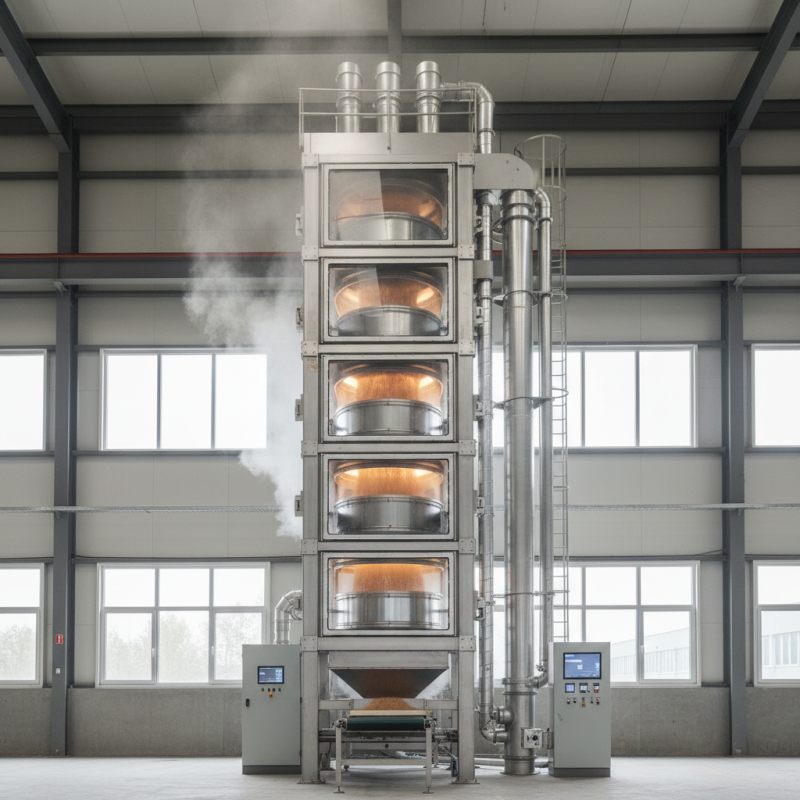
In industrial applications, vertical dryers excel in handling bulk materials. They utilize gravity flow, which can enhance drying efficiency and reduce maintenance needs. The design often involves a compact footprint, ideal for facilities with limited space. However, operators should be aware of potential drawbacks. For example, not all materials are suitable for vertical drying. Some may clump or create flow issues, impacting performance.
The versatility of vertical dryers allows them to adapt to numerous processes. These include textiles, chemicals, and plastics, among others. Nevertheless, successful integration requires careful assessment of the specific material properties. Teams should continuously evaluate drying performance. This may help address any inconsistencies, leading to optimized operational outcomes.
Key Advantages of Vertical Dryers over Traditional Drying Methods
When it comes to industrial drying processes, vertical dryers offer significant advantages. Unlike traditional methods, they use less floor space. This efficient design allows for more streamlined operations in crowded facilities. Vertical dryers also improve product quality. They minimize the risk of overheating and product degradation, ensuring consistent results.
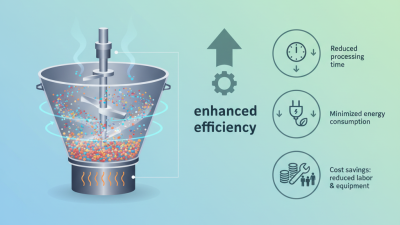
Another key aspect is energy efficiency. Vertical dryers consume less energy than conventional models. This efficiency can lead to significant cost savings over time. In addition, these dryers often require less maintenance. Their simpler design means fewer parts are prone to wear and tear. However, the upfront investment can be a concern for some businesses.
The integration of a Vertical Cone Mixer can enhance the drying process. This combination improves uniformity in drying and mixing. Users must weigh the benefits against the initial costs. This reflection on investment is crucial for long-term success. Companies should evaluate their specific needs and consider how these systems align with their goals.
Advantages of Vertical Dryers over Traditional Methods
Energy Efficiency and Cost-Effectiveness of Vertical Dryers
In the realm of industrial drying solutions, vertical dryers stand out for their energy efficiency and cost-effectiveness. Traditional drying methods often consume vast amounts of energy, leading to high operational costs. In contrast, vertical dryers utilize their design to minimize energy usage while maximizing output. The gravity-fed process allows materials to move downward naturally, reducing the need for excessive mechanical energy.
The integration of a Vertical Screw Mixer in drying operations enhances efficiency even further. This mixer ensures uniform mixing of materials prior to drying. When materials are evenly mixed, moisture is eliminated more effectively. As a result, time and energy spent on drying processes decrease. This synergy between the dryer and the mixer optimizes resource utilization.
However, it's crucial to consider some limitations. While vertical dryers excel in many applications, they may not be suitable for all types of materials or industries. Some products might not achieve the desired moisture content. Analyzing your specific requirements is vital before investing. Ultimately, understanding both the advantages and drawbacks will lead to informed decisions in selecting the right drying solution for your industrial needs.
Applications of Vertical Dryers Across Various Industries
Vertical dryers are essential in various industries due to their efficiency and adaptability. These dryers effectively remove moisture from materials, making them suitable for sectors such as food processing, pharmaceuticals, and textiles. According to recent industry studies, the global market for industrial dryers is projected to reach USD 10 billion by 2024, reflecting growing demand for efficient drying solutions.
In food processing, vertical dryers often handle granular products. They ensure uniform drying while preserving the integrity of the material. In pharmaceuticals, precision is key. A Vertical Screw Hopper allows for controlled moisture removal, crucial for product stability. The textile industry benefits significantly from these systems, reducing drying times and improving fabric quality.
However, the technology does have challenges. The initial investment can be high, and maintenance requires specialized skills. This can deter smaller operations from implementing vertical drying solutions. Data shows that firms with effective training programs see a 20% increase in operational efficiency. Recognizing these needs illustrates the balance between innovation and practicality in the industrial sector.
Maintenance Considerations for Vertical Dryers
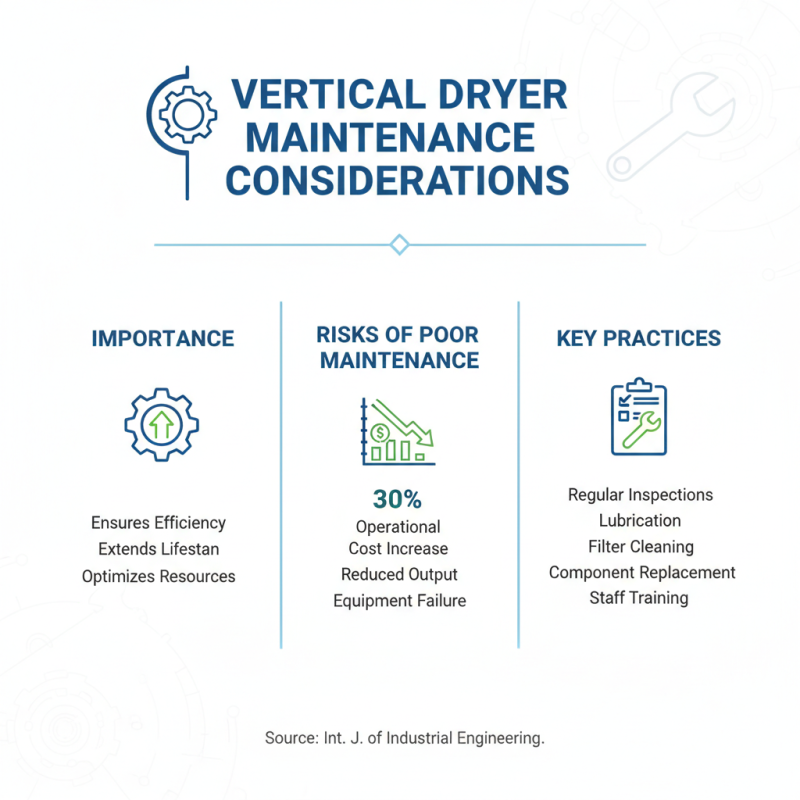
When considering a vertical dryer for industrial processes, maintenance is critical. Regular upkeep ensures efficiency and extends the lifespan. A report from the International Journal of Industrial Engineering shows that improper maintenance can lead to a 30% increase in operational costs. This is a significant factor for businesses aiming to optimize their resources.
The design of vertical dryers allows easy access to critical components. Simple inspections, like checking seals and bearings, can prevent major breakdowns. Research indicates that companies practicing proactive maintenance see a 15% reduction in downtime. Regular maintenance schedules should include cleaning, lubrication, and part replacements. Many facilities overlook these tasks, which can result in costly repairs.
Moreover, staff training on maintenance practices can provide insights into machine performance. The American Society for Quality emphasizes that trained personnel can identify early warning signs of failure. This preventive approach can save manufacturers valuable time and money. Maintaining a vertical dryer doesn't just require routine checks; it also demands a strategic mindset about resource management and employee involvement.
Innovations and Technological Advances in Vertical Drying Systems
Vertical drying systems are becoming increasingly popular in industrial processes. This is due to their innovative designs and efficiency. These systems utilize gravity, ensuring that materials are dried evenly. The vertical orientation allows for better airflow, which enhances drying performance.
With recent technological advances, vertical dryers are now equipped with smart sensors. These sensors monitor temperature and humidity in real time. This data helps optimize the drying process, reducing energy consumption. Additionally, automation features can adjust settings based on the materials used, leading to significant cost savings.
Despite the benefits, some challenges remain. Maintenance can be complex, requiring expertise. Not all materials are suitable for vertical drying, posing another concern. Industries must evaluate their specific needs before investing in this technology. Exploring alternatives can be beneficial, ensuring the chosen system complements the production process effectively.
Why Choose a Vertical Dryer for Your Industrial Needs? - Innovations and Technological Advances in Vertical Drying Systems
| Feature | Description | Benefits |
| Energy Efficiency | Utilizes advanced heat recovery systems for minimal energy waste. | Reduces operational costs and environmental impact. |
| Compact Design | Vertical configuration saves floor space while maximizing output. | Ideal for facilities with limited space. |
| Automation Capabilities | Integrated with smart technologies for remote monitoring and control. | Enhances productivity and reduces labor costs. |
| Customized Solutions | Adaptable to various industry requirements and product types. | Supports a wide array of applications from food processing to textiles. |
| Low Maintenance | Designed for ease of access and fewer mechanical issues. | Minimizes downtime and maintenance costs. |
Selecting the Right Vertical Dryer for Your Specific Needs
When selecting a vertical dryer, it’s crucial to align your choice with specific operational requirements. A well-designed vertical dryer can enhance efficiency and reduce energy consumption. According to a report from the International Energy Agency, dryers can account for up to 20% of industrial energy use. This statistic highlights the importance of making an informed selection.
Consider the drying capacity and the material type. Different materials require different drying times and temperatures. For instance, powdery substances may need a gentle touch, while bulkier materials might tolerate higher heat. Moreover, reviewing technical specifications can guide your decision. Research indicates that vertical dryers can achieve energy savings of up to 30% compared to horizontal ones.
Your process might also benefit from integrating a Vertical Ribbon Mixer. This equipment helps ensure homogeneity in mixed materials before drying. Balancing these elements is not straightforward, as each application presents unique challenges. Engage with industry experts for personalized advice that considers your system's nuances and limitations.
FAQS
: Vertical drying systems are industrial tools designed to dry materials efficiently. They use gravity for even drying.
Their vertical orientation allows better airflow. This improves the drying process compared to traditional methods.
Smart sensors monitor temperature and humidity in real time. This data helps optimize drying and reduce energy use.
Maintenance can be complex and requires specialized knowledge. Not all materials are suitable for vertical drying.
Align your choice with specific operational requirements. Consider drying capacity and material types to make informed decisions.
Research shows vertical dryers can save up to 30% energy compared to horizontal systems. This is significant for industrial users.
Yes, a vertical ribbon mixer can improve material homogeneity before drying. This can enhance the overall drying process.
Each application has unique challenges. Experts can provide tailored advice to meet specific needs effectively.
No, some materials may not perform well in these systems. Evaluating material compatibility is essential before investment.
Dryers can account for up to 20% of energy consumption in industrial settings. Choosing the right dryer is crucial.
Conclusion
Vertical dryers have emerged as a vital solution for various industrial applications, offering significant advantages over traditional drying methods. Their design allows for efficient space utilization and enhanced airflow, which contributes to improved drying performance. Key benefits include superior energy efficiency and cost-effectiveness, making vertical dryers an attractive option for industries seeking to optimize production processes while minimizing operational costs.
Moreover, vertical dryers are versatile, finding applications in sectors ranging from food processing to pharmaceuticals. As technology continues to advance, innovations in vertical drying systems enhance their efficiency and reliability. However, proper maintenance is crucial to ensure optimal performance and longevity. Selecting the right vertical dryer tailored to specific needs is essential for maximizing these benefits, enabling industries to thrive in a competitive landscape.