In today’s really competitive agricultural world, picking the right equipment isn’t just a choice — it’s a game-changer. Experts like Dr. Emily Robinson, who’s a real authority in agricultural engineering, often highlight how important innovation is. She mentions that a Chemical Fertilizer Mixer plays a crucial role in boosting both efficiency and the quality of what you produce.
Using a Chemical Fertilizer Mixer actually makes the whole blending process way easier. It helps you get that nutrient mix just right — nice and even. And when your mix is consistent, you’ll probably see better crop yields. But honestly, not every farm or business really gets the long-term perks of investing in a good-quality mixer. The truth is, it can save you a ton of time and cut down on costs over time.
A lot of folks tend to underestimate how tricky chemical blending can be. If you go for a cheap or poorly designed mixer, you risk uneven distribution of nutrients, which can hurt your plants and even mess up your soil’s health. So, it’s super important to think everything through before making a call. Remember, a Chemical Fertilizer Mixer isn’t just some machine — it’s actually an investment in your farm’s future and success.
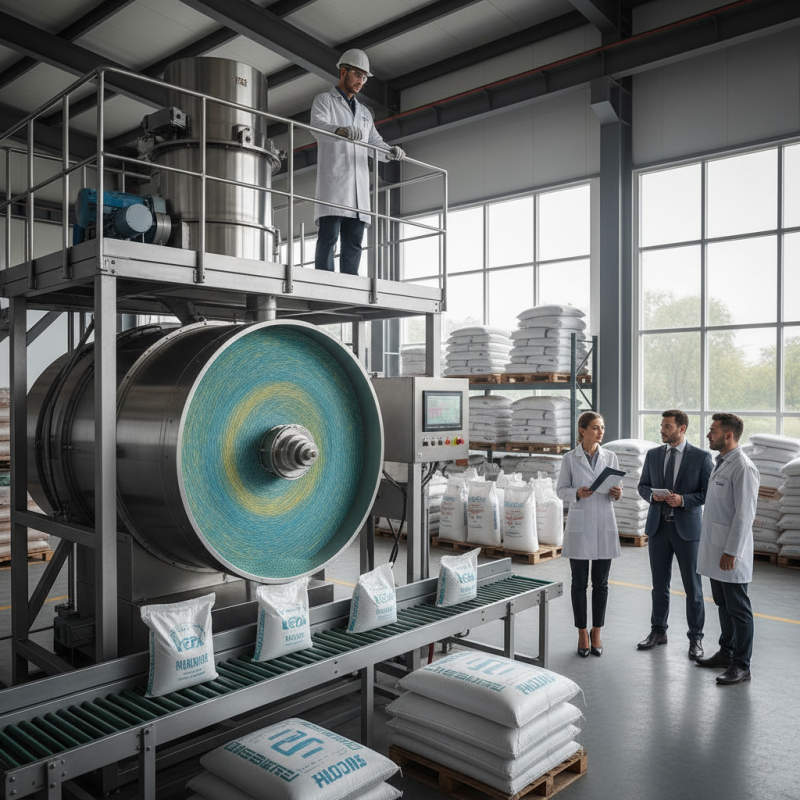
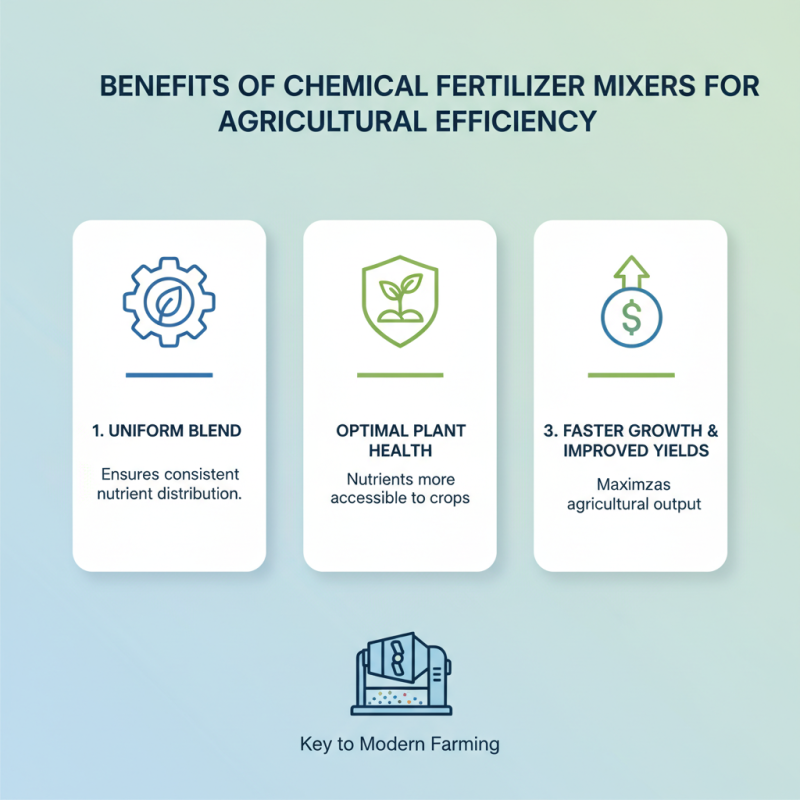
Choosing a chemical fertilizer mixer can significantly enhance agricultural efficiency. These mixers ensure a uniform blend of fertilizers, which is crucial for plant health. When ingredients are mixed thoroughly, nutrients become more accessible to crops. This consistency leads to faster growth and improved yields.
Using a chemical fertilizer mixer can reduce labor costs. These machines automate the blending process, saving time and effort. Farmers can allocate their workforce to other essential tasks, increasing overall productivity.
**Tip:** Always calibrate your mixer to ensure the right blend ratio. This step prevents the risk of nutrient imbalance in your soil.
Moreover, using these mixers minimizes waste. Inconsistent mixing often results in leftover materials and inefficiencies. A carefully calibrated mixer reduces this waste, creating a more sustainable operation.
**Tip:** Regular maintenance of your mixer is crucial for longevity. Neglecting upkeep can lead to malfunction and inconsistent blends.
Investing in a chemical fertilizer mixer also builds reliability in your products. Farmers who use well-mixed fertilizers see notable improvements in crop quality. Trust is built through consistent results, leading to better business relationships with clients and suppliers.
Chemical fertilizer mixers are essential for creating balanced and effective fertilizers. Various types are available on the market, catering to different needs in agriculture. Key types include paddle mixers, Ribbon Mixers, and drum mixers. Each type serves a unique purpose and offers distinct benefits.
Paddle mixers are recognized for their efficient blending capabilities. They can handle a variety of materials, from granules to powders. According to industry reports, paddle mixers are particularly useful in producing homogeneous formulations with reduced mixing times, making them ideal for large-scale operations. On the other hand, ribbon mixers excel at combining bulk materials and are preferred for their simple design and ease of maintenance.
While drum mixers are often overlooked, they provide versatility in small to medium operations. They work well for blending chemical components without significant time investment. Choosing the right mixer depends on production scale and material types. However, improper usage can lead to material degradation or uneven mixing. This highlights the need for careful consideration and training during operation.
Choosing the right mixer for your chemical fertilizer business is crucial. A Dry Fertilizer Mixer can optimize your production process. Consider your specific needs before making a decision. Are you producing large volumes or smaller batches? The answer shapes your choice. The right mixer enhances efficiency, ensuring a consistent product.
Tip: Assess your production capacity first. If you manage small batches, a compact mixer might be suitable. On the other hand, larger operations often require industrial-sized mixers.
Quality is key. Look for mixers that ensure uniform blending. Some mixers create dust, which can be a concern for safety. Examine designs that minimize this risk. Reliability is also vital. A mixer that frequently breaks down can disrupt your business flow.
Tip: Check for customer reviews and expert opinions. A mixer with a good track record may save you headaches later. Always consider maintenance requirements. Neglecting this can lead to costly repairs. An informed decision now guarantees long-term success in your fertilizer production.
When considering a chemical fertilizer mixer, certain key features can significantly impact your business operations. Efficiency is paramount. A well-designed mixer should have a high mixing capacity and be able to blend various materials uniformly. According to industry reports, effective mixing can reduce processing time by up to 30%. This increase in efficiency directly translates to higher productivity and profits.
Another important feature to consider is durability. Chemical fertilizer production involves harsh environments. Mixers made from high-quality materials can withstand corrosive substances, ensuring longevity. A recent study indicated that investing in robust mixers can reduce maintenance costs by nearly 20% over time. Additionally, ease of maintenance is crucial. Look for mixers with accessible components, enabling quick repairs and preventing long downtimes.
Moreover, precision in measurement is essential. Accurate ingredient ratios are critical for optimal nutrient profiles. Inconsistent mixing can lead to subpar products, affecting crop yields. Research shows that precise formulations can improve fertilizer effectiveness by up to 25%. Integrating advanced technology for monitoring and adjustments can further enhance this precision, leading to better outcomes for users and a more successful business overall.
Investing in a chemical fertilizer mixer can significantly impact your business's profitability. Many businesses overlook this critical asset, focusing instead on traditional methods. However, a reliable Chemical Industry Mixer optimizes blending processes, ensuring uniform product quality. This consistency can lead to better market reputation.
The initial cost can raise eyebrows. Yet, consider the long-term savings. A high-quality mixer reduces labor costs and minimizes waste. These factors often outweigh the upfront investment. Moreover, the efficiency gained from using a Chemical Industry Mixer can enhance production speed. Faster production can lead to more sales opportunities.
It's essential to conduct a cost-benefit analysis before making a decision. Look at factors like maintenance costs and potential downtime. Even the best mixers require care and attention. Reflect on your specific business needs. The right choice will depend on your current setup and future goals. Spending on a mixer is not just about upfront costs, but about the future value it adds.
Chemical fertilizer mixers play a crucial role in enhancing product quality in the agricultural sector. According to a recent report by the International Fertilizer Association, the global fertilizer market was valued at over $200 billion in 2022. This highlights the importance of efficient mixing solutions. A well-designed Chemical Powder Coulter Mixer ensures uniformity in product composition. This leads to better crop yields and healthier soil.
Quality control is a significant concern for fertilizer manufacturers. Inconsistent mixes can result in nutrient deficiencies in crops. Studies show that improper fertilizer application can reduce crop yield by nearly 30%. Using high-quality mixers helps mitigate this risk. Manufacturers can achieve precise measurements and homogeneity, which is essential for optimal plant growth.
Despite advancements, challenges remain. Some mixers may struggle with sticky materials, resulting in poor performance. It's crucial for businesses to invest in reliable technology. Regular maintenance checks are necessary to ensure efficiency. By focusing on product quality, companies can position themselves as leaders in the competitive fertilizer market.
When considering a chemical fertilizer mixer for your business, maintenance plays a vital role. Regular maintenance ensures the mixer operates efficiently. According to industry reports, neglecting maintenance can lead to a 20% decrease in productivity. Ensuring moving parts are lubricated can minimize wear and tear. This reduces unexpected downtime, allowing for a more reliable operation.
Operational considerations are equally important when using a Feed Mixer. Mixing speed and duration can affect the homogeneity of the product. Industry studies indicate that inconsistent mixing can lead to nutrient segregation, affecting crop yield. Investing in training for operators is essential. Proper knowledge enhances the mixer’s efficiency and extends its lifespan.
Monitoring the mixer’s performance is crucial. Feedback from operators can highlight potential issues early. For instance, unusual vibrations often signal mechanical problems. Additionally, tracking maintenance logs can help identify patterns over time. This proactive approach can save costs in the long run.
: A chemical fertilizer mixer enhances agricultural efficiency by ensuring a uniform blend of fertilizers crucial for plant health.
It reduces labor costs by automating the blending process, allowing farmers to allocate resources to other tasks.
Calibration ensures the right blend ratio, preventing nutrient imbalances in the soil that can affect plant growth.
Regular maintenance is crucial for longevity. Neglecting this can lead to malfunctioning and inconsistent blends.
A calibrated mixer minimizes leftover materials, creating a more sustainable and efficient operation in agricultural practices.
Durability is vital. A durable mixer can withstand harsh environments, reducing long-term maintenance costs and ensuring reliability.
Precision in measurement ensures optimal nutrient profiles. Inconsistent mixing can negatively affect crop yields and product quality.
Yes, some mixers may struggle with sticky materials, impacting performance. Reliable technology and regular checks are necessary.
Studies indicate that improper fertilizer application can reduce crop yield by nearly 30%. Quality mixers help prevent this risk.
Investing in advanced mixing technology can improve precision and product quality, leading to a more successful agricultural operation.
A Chemical Fertilizer Mixer is an essential tool for enhancing agricultural efficiency and improving product quality. These mixers come in various types, each designed to meet the specific needs of different businesses. When choosing the right mixer, it's important to consider key features such as capacity, durability, and ease of operation to ensure it aligns with your business needs.
Investing in a Chemical Fertilizer Mixer can lead to significant cost savings through optimized production processes and reduced labor time. Moreover, proper maintenance and operational practices are crucial for prolonging the lifespan of the mixer and ensuring consistent performance. By leveraging the capabilities of a Chemical Fertilizer Mixer, businesses can achieve better product quality and efficiency, ultimately contributing to increased profitability in the agricultural sector.