When it comes to powder blending, getting things done efficiently really matters. Dr. Emily Roberts from BlendTech Industries puts it nicely—she says, "A Cone Mixer can make the whole blending process smoother than anything else out there." Honestly, that really hits home in the industry.
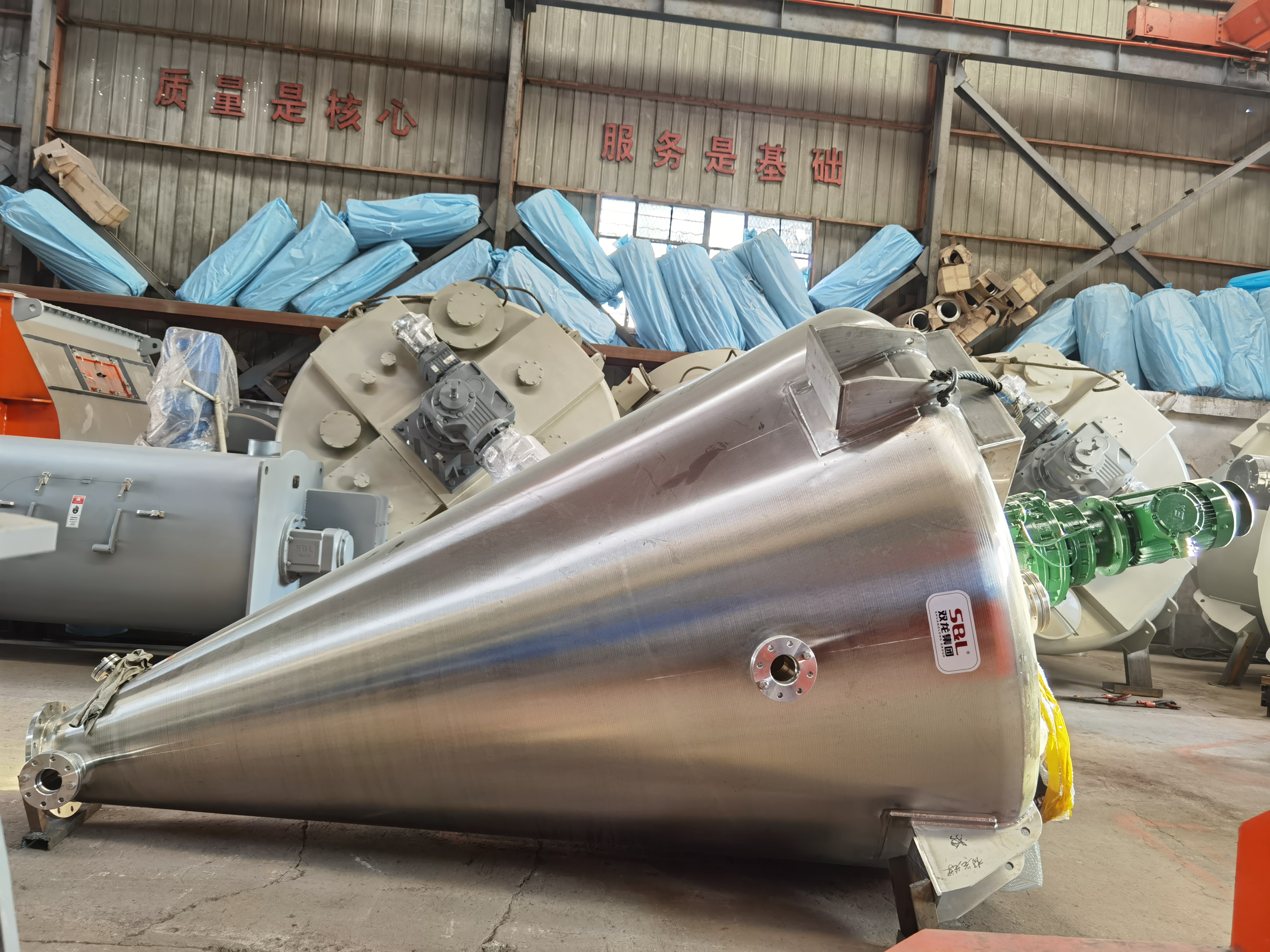
So, what’s the deal with Cone Mixers? Well, they have this cool conical design that helps everything get mixed evenly. The shape promotes a gentle but effective mixing action, so powders blend nicely without worrying about separation—something super important whether you're making meds or food. Of course, when you scale up to bigger operations, there’s always room to tweak and improve efficiency.
And don’t forget about reliability. Nobody wants machines breaking down all the time. Investing in a good Cone Mixer usually means fewer headaches down the line. But, it’s also key to keep up with regular maintenance because ignoring that can turn a good machine into a costly inconvenience. Striking the right balance between efficiency and maintenance is a smart move that can seriously boost your production."

Understanding Cone Mixers and Their Functionality
Cone mixers are becoming increasingly popular for industrial powder blending due to their unique design and efficiency. A Vertical Cone Mixer utilizes gravity to enhance the blending process. The shape allows for a gentle yet thorough mixing action, creating a homogenous blend without excessive energy consumption. Research indicates that these mixers can reduce blending time by up to 30% compared to traditional blenders. This efficiency translates into cost savings for manufacturers, making cone mixers an attractive choice.
The functionality of a Vertical Cone Mixer lies in its ability to accommodate a variety of materials. Powders, granules, and even some bulk solids can achieve consistent blending results. The design minimizes the risk of segregation, a common issue in powder blending. Studies show that a well-designed cone mixer can improve particle distribution, leading to enhanced product quality. However, it's essential to consider factors like batch size and material characteristics when selecting a mixer.
Despite their advantages, cone mixers are not without challenges. For instance, they may require frequent cleaning to prevent cross-contamination between batches. Additionally, the initial capital investment can be significant. Companies must weigh these factors against the potential long-term benefits. Understanding the specific needs of your operation is crucial before making a decision on a blending mechanism.
Key Advantages of Cone Mixers in Powder Blending
Cone mixers stand out in the realm of powder blending due to their unique design and operational efficiency. According to industry reports, using cone mixers can achieve a blending uniformity of 98% or higher. This statistic highlights their superiority for mixing dry powders. The shape of the cone allows for smooth movement and effective intermingling of materials, minimizing the risk of dead zones. This is a crucial feature, especially when dealing with varying particle sizes.
Moreover, cone mixers typically have lower energy consumption compared to other blending technologies. A study showed that switching to a cone mixer reduced energy usage by up to 30%. This energy efficiency can lead to significant cost savings over time. However, it is essential to note that equipment maintenance is vital. If not properly maintained, blending inconsistencies may occur, undermining the benefits. Additionally, operators should be aware of the potential for segregation, especially with sensitive materials.
While cone mixers have many advantages, not every application is suited for them. Understanding material properties remains key. Inappropriate material combinations can lead to undesired outcomes. Feedback and analysis from experienced users in the industry suggest that, although they are highly effective, cone mixers require careful application to ensure optimal results.
Applications of Cone Mixers in Various Industries
Cone mixers play a pivotal role in various industries, particularly in powder blending. These mixers facilitate uniform mixing of powders that often have different properties. Industries like pharmaceuticals, food production, and chemicals benefit from this technology. A Vertical Type Cone Mixer enhances blending efficiency, ensuring consistency in the final product.
In the pharmaceutical industry, precise blending of active ingredients is crucial. Cone mixers handle delicate powders that require gentle yet effective mixing. In food production, achieving a homogeneous blend of spices or other ingredients is essential for flavor consistency. The ability of a Vertical Type Cone Mixer to minimize clumping and ensure even distribution makes it an ideal choice here.
Challenges can arise during the mixing process. Some powders may settle unevenly, leading to inconsistencies. It's crucial to monitor the process closely and make adjustments as needed. Understanding the properties of each ingredient is vital for optimizing the blending process. This awareness allows industries to produce high-quality products while minimizing waste.
Why Choose a Cone Mixer for Efficient Powder Blending? - Applications of Cone Mixers in Various Industries
| Industry | Application | Benefits of Cone Mixers |
| Pharmaceutical | Blending Active Ingredients | Uniform mixing and minimal degradation of sensitive materials |
| Food & Beverage | Mixing Seasonings and Powders | Efficient blending with optimal flavor consistency |
| Chemical | Producing Chemical Compounds | High efficiency and reduced processing time |
| Cosmetics | Creating Creams and Lotions | Consistency in texture and viscosity control |
| Construction | Mixing Dry Powder Materials | Efficient blending with reduced dust emission |
Comparison of Cone Mixers with Other Mixing Equipment
When comparing cone mixers with other mixing equipment, it's crucial to recognize their unique advantages. Cone mixers are designed to blend powders efficiently, reducing the time needed for mixing. The cone shape promotes uniform distribution of materials. This geometry also allows gravity to aid in the mixing process. Other mixers, like ribbon blenders, may struggle with larger particle sizes.
One tip for choosing the right mixer is to consider the material's characteristics. For example, if you're dealing with delicate powders, cone mixers help prevent degradation. They maintain the integrity of the particles due to their gentle mixing action. Additionally, cone mixers often require less energy than others, leading to cost savings over time.
However, it's essential to reflect on the limitations of cone mixers. They may not be suitable for all applications. In some cases, a high-shear mixer might be more effective for certain formulations. Always assess the specific requirements of your blending processes. Understanding these differences can lead to better decision-making and improved efficiency in powder blending.
Factors to Consider When Choosing a Cone Mixer
When selecting a cone mixer for powder blending, it’s crucial to consider several key factors. The design of the cone mixer promotes gentle mixing, which is ideal for fragile materials. The shape ensures that powders blend uniformly, reducing the chance of segregation. It’s also important to assess the size of the cone mixer. A larger capacity may be necessary for high-volume production. However, smaller models are better for pilot batches or research applications.
Tips for choosing the right size include evaluating your production needs and the types of materials being processed. Understanding the bulk density of your powders can help in making an informed decision. Additionally, consider the flow characteristics of your materials. Some powders may bridge or cake, affecting the efficiency of blending.
Maintenance is another factor not to overlook. A design that allows easy access for cleaning can enhance efficiency. It's also vital to assess the mixer’s construction material for durability and compatibility with your powders. Regular inspections can prevent issues such as contamination. Awareness of these points can enhance blending processes and ensure consistent results.
Best Practices for Operating Cone Mixers Effectively
Cone mixers, particularly the Double Cone Blender, offer unique advantages in powder blending. To operate these mixers effectively, it is essential to follow best practices. Begin by ensuring the machine is clean and free of residues from previous batches. A thorough cleaning process prevents cross-contamination and maintains powder integrity. Regular maintenance is crucial to avoid downtime. Inspect seals and bearings regularly to ensure optimal performance.
During the blending process, loading the ingredients evenly is vital. Overloading the mixer can lead to uneven blending. Remember, the powder's bulk density affects how well it mixes. Utilize appropriate filling levels for the best results. Additionally, controlling the mixing time ensures a consistent blend. Too short a time might leave clumps, while too long can degrade sensitive ingredients. Experimenting with different mixing times can lead to more nuanced results.
Be mindful of the environmental conditions as well. Humidity can alter powder behavior, impacting blend quality. It might be helpful to keep ingredients in a controlled environment before mixing. Feedback from the blending process can help improve future batches. Observing the final product’s consistency is essential. Continuous monitoring and reflection on these practices will lead to better blending outcomes over time.
Maintenance Tips for Longevity of Cone Mixers
Maintaining a cone mixer is crucial for achieving optimal performance. Regular cleaning is essential to prevent cross-contamination. After each use, residues should be thoroughly removed. This practice enhances product quality and ensures safety during blending. Schedule weekly cleanings for parts that come into contact with powder. This vigilance will lead to longer equipment life.
Lubrication is another key aspect. Every moving part requires proper lubrication to reduce wear and tear. Ensure that you use suitable lubricants recommended in the operation manual. Inadequate lubrication can lead to mechanical failures. Users often overlook this detail, resulting in costly repairs.
Regular inspections should not be ignored. Check for signs of wear and ensure that the seals are intact. Look for any misalignments in the equipment. Catching these issues early can save you time and money. A well-maintained Feed Mixer not only works efficiently but also reduces downtime. This proactive approach enables consistent powder blending, enhancing productivity.
Why Choose a Cone Mixer for Efficient Powder Blending?
This chart illustrates the efficiency of various mixing methods based on blending time and consistency. The data reflects average blending performance for different mixers.
Enhancing Efficiency in Mixing Processes: The Versatile Applications of Double Paddle Mixers
In today's fast-paced industrial landscape, achieving efficient mixing processes is crucial for optimizing production workflows. The enhanced capabilities of double paddle mixers are revolutionizing how various sectors approach their blending needs. Engineered with synchronized dual shafts and adjustable paddle angles, these mixers provide rapid blending and superior material handling. According to a recent industry report by MarketsandMarkets, the global industrial mixer market is expected to reach $3.1 billion by 2026, growing at a CAGR of 4.2%. This indicates an increasing demand for versatile and efficient mixing solutions that can meet the diverse requirements of different industries.
Particularly notable is the application of double shaft paddle mixers in the production of 3-in-1 instant coffee, where the unique features of these mixers—such as wear-resistant and heavy-duty design, along with a retractable rotor for easy cleaning—facilitate optimal processing. Reports suggest that the coffee market is projected to experience a compound annual growth rate (CAGR) of 4.6% over the next five years, demonstrating the potential for innovative mixing technology to enhance product quality and production speed. Furthermore, the ability of these mixers to handle materials with significant disparity in loading rates ensures a consistent blend, which is essential for maintaining product standards in food manufacturing and other sectors.
As industries strive for improved efficiency, the adoption of advanced mixing technologies like double paddle mixers is expected to rise. With features such as bomb doors for rapid discharging and replaceable paddles for various applications, these mixers are setting a new standard for performance in material processing. As companies increasingly seek to streamline operations and enhance product quality, the versatile applications of double paddle mixers will play a crucial role in meeting these demands.
FAQS
: Cone mixers are primarily used for industrial powder blending, enhancing mixing efficiency and consistency.
Research shows cone mixers can reduce blending time by up to 30% compared to traditional methods.
Cone mixers can handle powders, granules, and some bulk solids effectively.
Consider factors like design, size, batch volume, and the characteristics of materials being blended.
Yes, challenges include frequent cleaning to prevent cross-contamination and significant initial investments.
Understanding ingredient properties and monitoring the process closely can lead to better blending results.
Yes, regular maintenance and easy access for cleaning are crucial for efficient blending and preventing contamination.
They ensure precise blending of delicate active ingredients while maintaining product quality.
Yes, uneven settling of powders can cause inconsistencies, requiring careful monitoring during blending.
Reduced segregation leads to improved particle distribution and enhanced overall product quality.
Conclusion
A Cone Mixer is an essential piece of equipment for efficient powder blending, offering unique functionality that enhances the mixing process. Its conical design allows for thorough and uniform blending of powders by utilizing gravity and centrifugal force, which ensures that materials are evenly distributed. The key advantages of Cone Mixers include high efficiency, gentle handling of materials, and minimal risk of damage, making them suitable for a range of industries including pharmaceuticals, food processing, and chemicals.
When selecting a Cone Mixer, it is important to consider factors such as the mixer’s capacity, the material type being blended, and the specific requirements of the application. Best practices for operating Cone Mixers effectively involve maintaining optimal loading levels and adhering to operational guidelines. Regular maintenance is also crucial to extend the lifespan of these mixers, ensuring consistent performance over time. Overall, Cone Mixers are a reliable choice for achieving superior powder blending results.