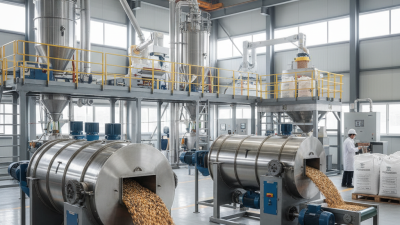
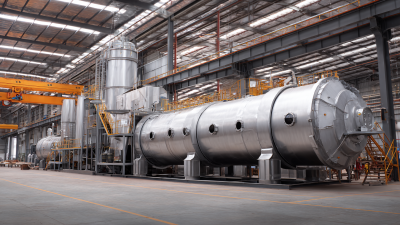
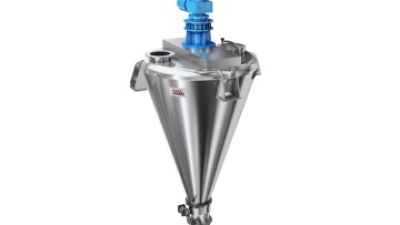
When it comes to food processing, the equipment you choose can really make or break your business. John Smith, a well-known expert in industrial mixing solutions, points out, “A high-quality Stainless Steel Mixer can seriously boost your production efficiency.” That really hits home the idea of why so many companies prefer stainless steel—it's a game-changer.
The beauty of Stainless Steel Mixers is, first off, their resistance to corrosion. That means less fuss and fewer repairs, which adds up to lower running costs in the long run. Of course, the initial price tag can seem pretty steep to some folks. But if you think about the bigger picture, those savings and the improved reliability tend to outweigh the upfront cost. Investing in subpar equipment? Not a good idea—it can lead to inconsistent products and upset customers, which we definitely want to avoid.
Plus, stainless steel is super versatile and can handle different environments—whether you’re in food production, pharmaceuticals, or other sectors. That said, not every mixer model suits every business. It's really worth taking some time to assess what you actually need and what models fit your capacity. Doing a bit of homework here can make a big difference and help your business run smoother and more efficiently overall.
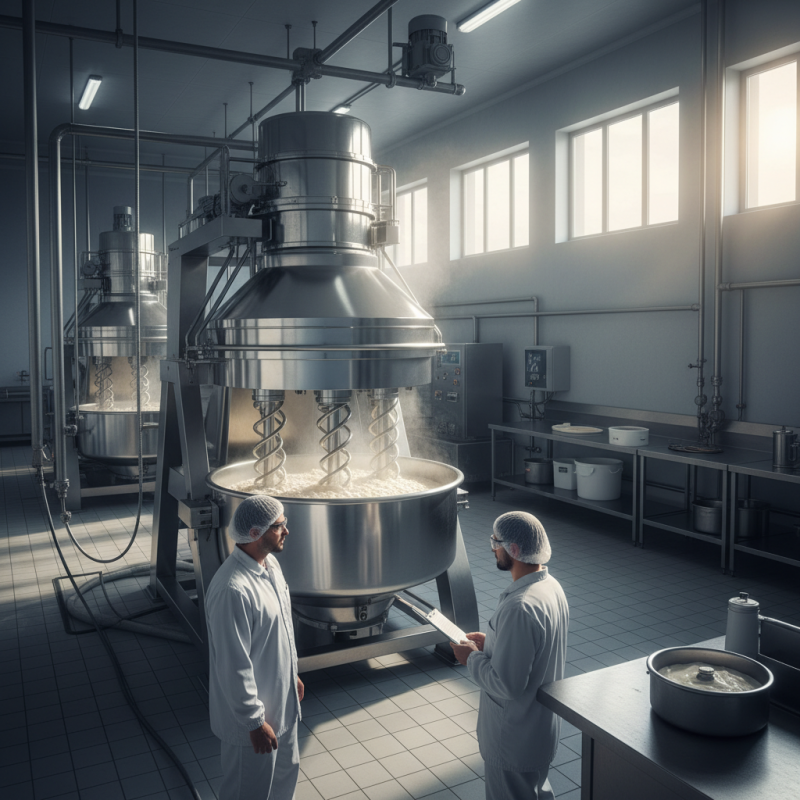
Benefits of Stainless Steel Mixers in Industrial Applications
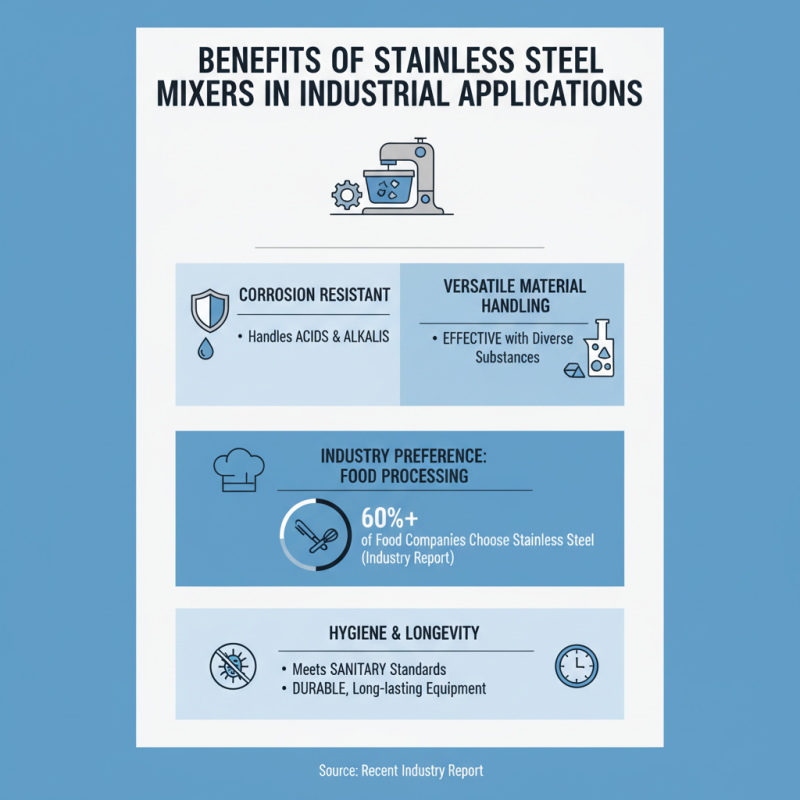
Stainless steel mixers are vital for many industries. They resist corrosion and handle various materials effectively. According to a recent industry report, over 60% of food processing companies prefer stainless steel mixers for their durability. This preference reflects the need for equipment that meets both hygiene and longevity standards.
One significant advantage is their easy-to-clean nature. Stainless steel surfaces do not harbor bacteria, making them ideal for food, pharmaceuticals, and chemicals. Regular maintenance ensures they perform effectively. Tips for maintaining mixers include regular inspections for wear, immediate cleaning after use, and lubricating moving parts routinely.
Additionally, stainless steel mixers often feature advanced technology for precision mixing. Data shows that users experience up to a 30% increase in mixing efficiency over traditional materials. However, it's necessary to assess specific needs. Consider the mixer size, speed, and type of materials before making a purchase. Mixing efficiency varies, and selecting the wrong equipment can lead to inefficiencies.
Durability and Longevity of Stainless Steel Mixers
Stainless steel mixers are a favorite in many industries due to their durability and longevity. They withstand the wear and tear of heavy use better than other materials. Stainless steel does not corrode easily, which is crucial for businesses that operate in harsh environments. This resilience helps maintain consistent quality in production processes.
When investing in a mixer, consider the maintenance required. While stainless steel is durable, it can still show scratches or dents over time. Regular cleaning is essential to prevent buildup. A Stainless Steel Ribbon Mixer, for example, can maintain efficiency with proper care. It’s vital to inspect it regularly for any signs of wear. These small steps can extend its lifespan significantly.
Additionally, the weight of stainless steel plays a role. Heavier mixers often provide better stability. However, they can be challenging to move or reposition. Business owners should reflect on their specific needs when choosing a mixer. Each operation has its unique challenges. Balancing durability with functionality is crucial to making the right choice.
Why Choose Stainless Steel Mixers for Your Business Needs? - Durability and Longevity of Stainless Steel Mixers
| Feature | Description | Benefits | Typical Lifespan |
| Corrosion Resistance | Stainless steel mixers are highly resistant to rust and corrosion. | Increased longevity and lower maintenance costs. | 15-20 years |
| Durability | Able to withstand heavy usage and challenging environments. | Reduced replacement costs and downtime. | 20+ years |
| Hygiene | Non-porous surface prevents bacteria growth. | Meets strict health and safety regulations. | Indefinite with proper maintenance |
| Aesthetic Appeal | Sleek and modern appearance complements any industrial setting. | Enhances overall workplace environment. | N/A |
| Versatility | Can be used for various mixing applications. | Flexibility in production processes. | N/A |
Hygienic Properties and Easy Maintenance of Stainless Steel Mixers
Stainless steel mixers stand out for their hygienic properties, making them essential in various industries. Their non-porous surfaces prevent bacteria and other pathogens from thriving. According to the Food and Drug Administration (FDA), stainless steel is one of the materials recommended for food equipment. This is due to its high resistance to corrosion and rust, which can jeopardize hygiene standards.
Maintenance is critical in any food production environment. Stainless steel mixers are relatively easy to clean. A simple solution of soap and water is often all that is needed. Regular cleaning can help ensure that harmful residues don’t accumulate. Industry data shows that proper maintenance can reduce food contamination risks by up to 30%, emphasizing the importance of using the right materials in food processing.
While the benefits are clear, it is essential to acknowledge some challenges. The initial cost of stainless steel mixers may deter some businesses. However, their durability and lower maintenance costs often justify the investment. Furthermore, choosing the wrong type of stainless steel can lead to issues with performance. Ensuring the right grade is selected is vital for long-term effectiveness.
Energy Efficiency and Cost-effectiveness of Stainless Steel Mixers
Stainless steel mixers have become a vital asset in many industries due to their energy efficiency and cost-effectiveness. According to a 2021 report by the International Energy Agency, modern mixers, when constructed from stainless steel, can reduce energy consumption by up to 30% compared to traditional materials. This reduction translates into significant savings on energy bills, allowing businesses to allocate resources elsewhere.
Using stainless steel mixers also lowers maintenance costs. These mixers are less prone to corrosion, which extends their lifespan. A study from the Stainless Steel Industry Association highlights that businesses save up to 20% on maintenance with these durable products. This longevity is crucial for industries like food processing, where hygiene and safety are paramount.
**Tip:** When choosing mixers, consider their energy efficiency ratings to maximize savings.
Moreover, while stainless steel mixers offer clear advantages, there are concerns to address. Initial investment costs can be higher than alternatives. However, the long-term benefits often outweigh this issue. Assessing the total cost of ownership can provide a better financial outlook.
**Tip:** Compare different mixer options to find the best long-term investment.
Energy Efficiency and Cost-effectiveness of Stainless Steel Mixers
Versatility and Customization Options for Stainless Steel Mixers
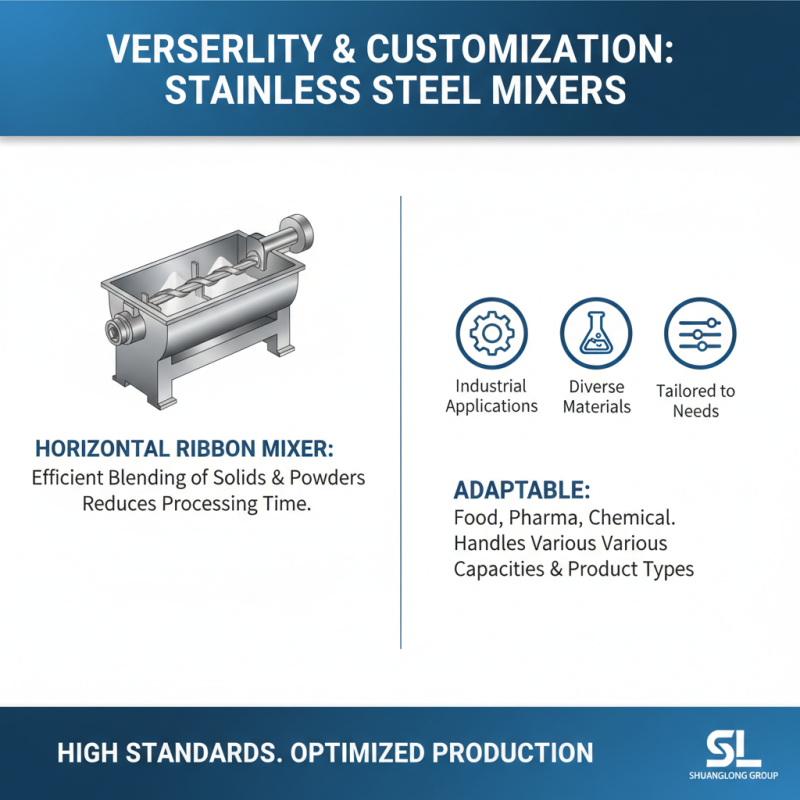
Stainless steel mixers are essential for various industries due to their versatility. They cater to different production needs while maintaining high standards. A Horizontal Stainless Steel Ribbon Mixer is designed to accommodate numerous materials efficiently, making it an ideal choice for mixing solids and powders. This design allows for quick blending, reducing processing time significantly.
Customization options are a notable advantage. Businesses can select specific dimensions, motor types, and mixing speeds. Such flexibility helps meet unique production requirements. However, not every customization is perfect. Some mixers may overheat if the wrong motor is chosen. It's crucial to balance customization with operational needs.
Safety is another concern. Stainless steel mixers are easier to clean, minimizing contamination risks. This feature is particularly important in food processing or pharmaceuticals. Yet, their weight can pose handling challenges. Proper training is essential to ensure safe use. Understanding the limitations and strengths of a Horizontal Stainless Steel Ribbon Mixer will help in making informed decisions.
Comparative Analysis: Stainless Steel vs. Other Mixer Materials
When comparing mixer materials, stainless steel stands out for several reasons. Data from industry reports suggest stainless steel mixers, like the Stainless Steel Ribbon Blender, offer superior durability. They resist rust and corrosion better than other materials. For example, plastic mixers may degrade over time, leading to contamination risks. This durability can reduce replacement costs in the long run.
Another consideration is hygiene. Stainless steel is non-porous, which means it does not harbor bacteria. According to a recent study, food manufacturers prefer stainless steel for its easy cleaning properties. In contrast, wooden or plastic mixers can absorb moisture and contaminants. This factor is crucial in industries where health standards are strict.
Cost is a delicate topic. While stainless steel mixers often have a higher upfront cost, their lifespan and low maintenance make them a wise investment. However, some businesses may feel overwhelmed by the initial expense. It's important to analyze long-term cost efficiency when making a material choice. Ultimately, each business should consider its specific needs when selecting the right mixer material.
Future Trends in Stainless Steel Mixer Technology and Innovations
The stainless steel mixer market is evolving rapidly. Innovations in design and technology are shaping these tools for modern businesses. Future trends focus on enhanced durability and efficiency. Manufacturers are incorporating smart technology for better control and monitoring.
A key advancement is energy efficiency. New mixers aim to reduce energy consumption while increasing performance. Features like variable speed controls offer versatility. Automated systems can adjust mixing speeds based on batch requirements. This means more precise blending achieved with less waste.
There’s also a push for sustainable materials. The industry is recognizing the importance of environmental responsibility. With recycled and eco-friendly stainless steel options, businesses can reduce their carbon footprint. However, transitioning to these materials may present challenges. Companies must consider initial costs and compatibility with existing systems. The evolution toward Stainless Steel Mixing Solutions highlights a commitment to innovation and responsibility in manufacturing.
Maximizing Efficiency in Powder Processing: Insights from the Latest Conical Screw Mixer Market Trends and Performance Reports
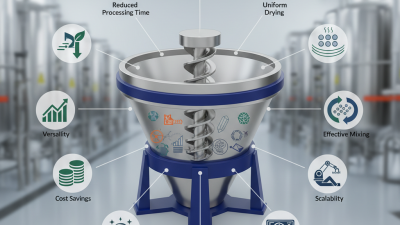
The Conical Screw Mixer stands out as a remarkable solution for industries aiming to achieve optimal efficiency in powder processing. Its traditional design combined with low shear mixing capabilities ensures that the materials are blended gently, retaining their integrity while providing high-quality results. This mixer is particularly useful for applications that require delicate handling of powders, allowing for effective mixing without compromising the quality of the final product. Moreover, the ability to select between single and twin screw configurations caters to the diverse needs of different production processes.
In addition to its gentle mixing capabilities, the conical screw mixer offers several practical features that enhance its usability. The center rotary spraying design allows for the uniform application of liquids onto the powders, making it suitable for operations that involve drying or adding moisture to dry materials. With the option for side discharge, the mixer facilitates efficient unloading of mixed products, streamlining the workflow in production lines. However, it is important to note that the traditional design may require regular maintenance to ensure optimal performance and longevity, making attention to upkeep essential for sustained efficiency in processing operations.
FAQS
: They are durable and withstand heavy use better than other materials.
Stainless steel does not corrode easily, making it ideal for harsh environments.
Regular cleaning is essential to prevent buildup and avoid scratches or dents.
Yes, they can show scratches or dents over time despite being durable.
Heavier mixers provide better stability but can be challenging to move.
They can reduce energy consumption by up to 30%, leading to cost savings.
Yes, businesses can save up to 20% on maintenance due to their durability.
Assess the mixer’s energy efficiency ratings and total cost of ownership.
The initial cost can be higher, but long-term savings often outweigh this.
Yes, regular inspections can help identify wear and extend the mixer’s lifespan.
Conclusion
Stainless Steel Mixers are becoming the preferred choice for many industrial applications due to their numerous benefits. These mixers offer exceptional durability and longevity, ensuring they withstand the rigors of daily use without compromising performance. Their hygienic properties make them ideal for environments requiring strict cleanliness, while their easy maintenance features simplify operational processes. Additionally, Stainless Steel Mixers are energy-efficient and cost-effective, contributing to lower operational expenses over time.
The versatility and customization options available with Stainless Steel Mixers allow businesses to tailor solutions that meet specific production needs. A comparative analysis highlights their advantages over mixers made from other materials, solidifying their position in the market. As we look to the future, advancements in stainless steel mixer technology promise even more innovative solutions, making them a smart investment for businesses aiming for efficiency and reliability in their operations.