Picking the right Chemical Fertilizer Mixer is a pretty important decision if you're involved in farming or soil care. A good mixer can really make your fertilizing process smoother and more efficient. Plus, it helps ensure that your fertilizer’s nutrients stay consistent and just right for your crops. As agriculture continues to evolve and folks start demanding higher quality produce, investing in quality equipment is more crucial than ever — it’s all about staying competitive and getting the most out of your yields.
When you're trying to choose a chemical fertilizer mixer, there are a few things to keep in mind—like the size it can handle, how well it mixes, and whether it plays nice with different types of fertilizers and chemicals. Knowing these details can help you run your operations more smoothly without messing up the product quality. Also, understanding exactly what your production needs and what kinds of fertilizers you use can really help you make the best choice. At the end of the day, making an informed decision on your fertilizer mixer isn’t just about convenience — it can lead to better crop results, higher productivity, and a nicer return on your investment overall.
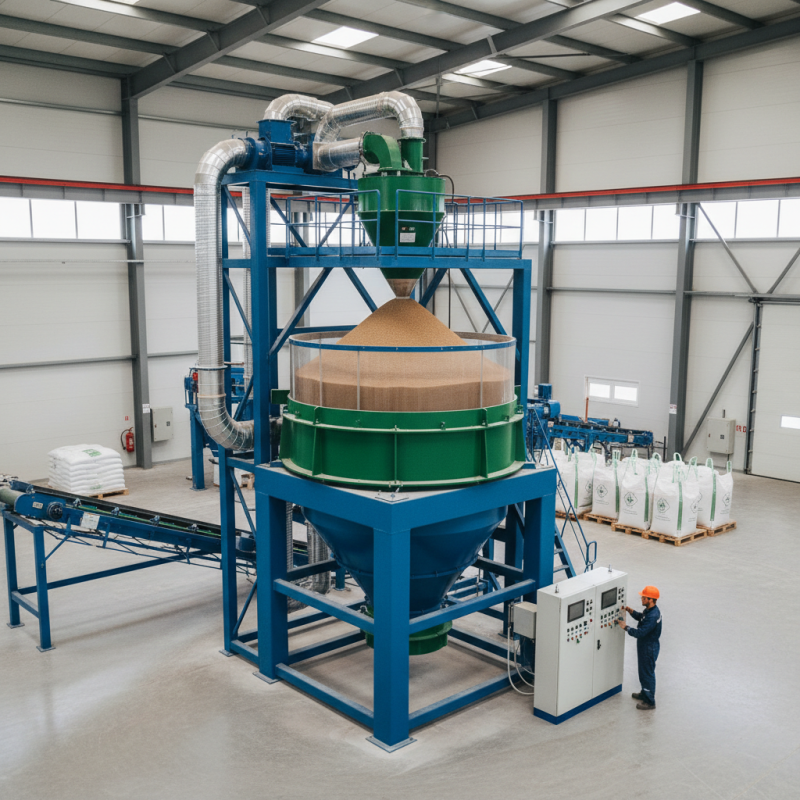
Understanding the Importance of Chemical Fertilizer Mixers in Agriculture
Chemical fertilizer mixers play a crucial role in modern agriculture, acting as the backbone of nutrient management for crops. By ensuring the even blending of various fertilizers, these mixers help farmers achieve optimal nutrient ratios tailored to specific soil and crop requirements. This precision not only boosts crop yields but also enhances soil health over time, making it a vital component in sustainable farming practices. Understanding how these mixers function can help farmers make informed decisions about their equipment, leading to more effective and efficient farming operations.
Moreover, the advancements in mixer technology have enabled the incorporation of various additive materials and micronutrients into the fertilizer blend. This flexibility allows for customized formulations that cater to the diverse needs of different agricultural practices. As environmental awareness grows, the ability to create targeted fertilizer mixes can minimize waste and reduce the risk of nutrient runoff, which is essential for protecting ecosystems. Thus, investing in the right chemical fertilizer mixer is not just about productivity; it's also about aligning agricultural practices with ecological stewardship.
Types of Chemical Fertilizer Mixers Available in the Market
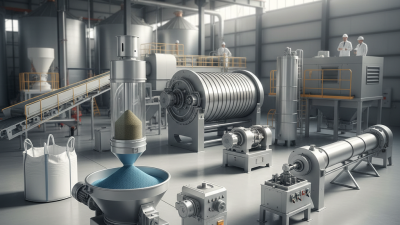
When selecting a chemical fertilizer mixer, it's essential to understand the various types available in the market, as each caters to different needs and scales of operation. One common type is the Horizontal Mixer, which is suitable for blending large quantities of dry fertilizers. Its design allows for efficient mixing due to the agitation from horizontal mixing blades. Next, we have the vertical mixers, which are ideal for smaller batches and often feature a compact design, making them perfect for limited working spaces.
Another type worth considering is the batch mixer, which functions well for operations requiring different formulations in small quantities. This type allows for precise measurement of ingredients, ensuring a consistent product quality. Lastly, Continuous Mixers are geared toward large-scale production, providing an uninterrupted flow of material, which is beneficial for large farms or companies needing constant fertilizer output.
Tips: When choosing a mixer, consider the size of your operation and your mixing requirements. Assess how frequently you’ll need to switch formulations, as this will influence whether a batch or continuous mixer is best. Additionally, remember to check the mixer's maintenance needs and the availability of replacement parts, ensuring long-term reliability and performance.
Key Features to Consider When Choosing a Fertilizer Mixer
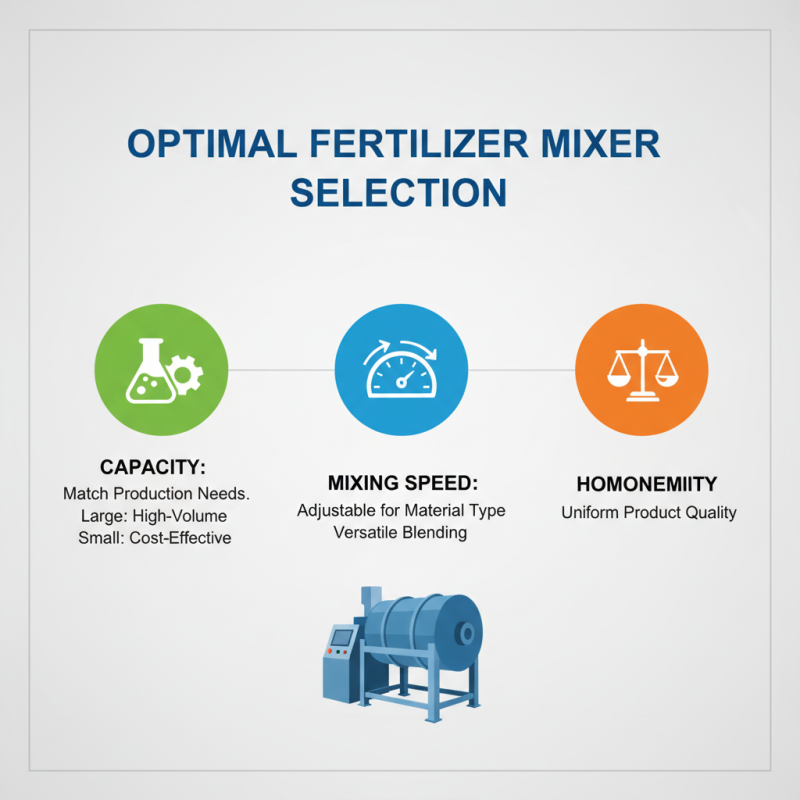
When selecting a chemical fertilizer mixer, it is essential to consider several key features that can significantly impact efficiency and performance. First, the capacity of the mixer is crucial; it should match your production needs. A larger capacity can save time and labor in high-volume operations, while a smaller mixer may be more cost-effective for smaller requirements. Additionally, consider the mixing speed. Depending on the types of fertilizers you work with, a versatile mixer that allows for adjustable speeds can enable better blending of various materials, leading to a more homogeneous product.
Another important feature is the construction material of the mixer. Durability is vital, especially when handling corrosive substances typical in chemical fertilizers. Stainless steel or high-quality coated equipment can resist wear and chemical reactions, prolonging the mixer’s life. Furthermore, ease of maintenance should not be overlooked; mixers that offer easy access for cleaning and repairs will reduce downtime and enhance productivity. Lastly, safety features such as overload protection and emergency shut-off mechanisms are paramount to protect both operators and the equipment during operation, ensuring a safe working environment.
Assessing the Capacity and Size Requirements for Your Operation
When selecting a chemical fertilizer mixer, understanding the capacity and size requirements for your specific operation is paramount. According to the latest industry report from the Fertilizer Institute, the demand for fertilizer mixers has surged, with an estimated 15% annual growth in agricultural production. This increase necessitates equipment that can efficiently manage varying batch sizes to keep pace with the rising agricultural outputs. A mixer that can handle the appropriate volumes without sacrificing mixing quality is essential for optimizing productivity.
Evaluating the capacity requirements involves assessing both the scale of your operations and the types of fertilizers being processed. For instance, small to medium-sized farms may only need mixers with capacities ranging from 1,000 to 5,000 liters. In contrast, larger operations that aim for high throughput should consider mixers above 10,000 liters, as these cater to batch requirements that exceed typical smaller scales. Reports indicate that improper sizing can lead to bottlenecks in the production line, decreasing efficiency and potentially affecting crop yields.
Moreover, the physical dimensions of the mixer should accommodate the available space within your facility. A well-designed mixer not only facilitates easy operation but also allows for safe maneuvering of heavy materials. Combining these capacity and size considerations will lead to a more effective and productive fertilizer mixing process, tailored to your unique operational needs. As the agriculture market continues to evolve, investing in the right mixer setup becomes increasingly critical for sustained growth and efficiency.
Evaluating the Durability and Build Quality of Mixers
When selecting a chemical fertilizer mixer, durability and build quality are paramount factors to consider, as they significantly influence the mixer’s performance and longevity. According to a report by the Agricultural Equipment Manufacturers Association, machinery breakdowns often stem from inadequate construction, leading to unexpected downtimes and additional maintenance costs. For mixers, focus on materials such as stainless steel or high-grade carbon steel, which resist corrosion and wear from abrasive materials common in fertilizer processing.
Furthermore, the design and engineering of the mixer play a crucial role in its overall build quality. An industry analysis by the National Fertilizer Association indicates that well-engineered mixers, featuring robust welds and support structures, can enhance the mixing efficiency while reducing the risk of mechanical failures. This is critical, as wear and tear can lead to not only unplanned repairs but also inconsistent product quality. Therefore, assessing the manufacturer’s reputation for engineering excellence and their commitment to rigorous testing can provide insights into the mixer’s potential lifespan and reliability in a demanding agricultural environment.
How to Choose the Best Chemical Fertilizer Mixer for Your Needs - Evaluating the Durability and Build Quality of Mixers
| Mixer Type | Material | Durability Rating (1-10) | Max Capacity (kg) | Warranty Period (years) |
| Horizontal Mixer | Stainless Steel | 9 | 500 | 2 |
| Vertical Mixer | Carbon Steel | 8 | 750 | 3 |
| Paddle Mixer | Aluminum | 7 | 400 | 1 |
| Drum Mixer | Plastic | 6 | 300 | 1 |
| Twin Shaft Mixer | Reinforced Steel | 10 | 1000 | 5 |
Budget Considerations: Cost vs. Quality in Fertilizer Mixers
When selecting a chemical fertilizer mixer, budget considerations are crucial. The balance between cost and quality can significantly impact your agricultural operations. Generally, cheaper mixers may appear appealing due to their initial low purchase price; however, they often come with compromises in durability and efficiency. These mixers might require more frequent repairs or replacements, leading to additional costs in the long run. Thus, investing in a higher-quality mixer can result in better performance and longevity, ultimately saving money over time.
Moreover, it is essential to analyze the specific needs of your operations before making a decision. While a low-cost solution might suffice for small-scale or infrequent mixing tasks, operations requiring consistent and precise mixing should consider quality as a priority. Higher-quality mixers often incorporate advanced features that enhance mixing efficiency and precision, ensuring that fertilizers are blended evenly, which can lead to improved crop yields. By weighing the long-term benefits of durability and effectiveness against immediate costs, you can make an informed decision that aligns with your budget and operational goals.
Maintenance and Support: Ensuring Longevity of Your Equipment
When selecting a chemical fertilizer mixer, maintenance and support are crucial factors that should not be overlooked. Regular maintenance ensures that your mixer operates efficiently, reducing the risk of breakdowns and prolonging its lifespan. This often involves routine inspections, cleaning, lubrication of moving parts, and timely replacement of worn components. Establishing a maintenance schedule based on the manufacturer's recommendations can help mitigate potential issues before they escalate, ultimately saving time and resources.
Support services play a vital role in the longevity of your equipment as well. When choosing a mixer, it is essential to consider the availability of technical assistance and spare parts. A reliable support system can provide troubleshooting help and timely repairs, minimizing downtime in your operations. Additionally, training programs for your staff can improve their understanding of the equipment's functionality and maintenance requirements, ensuring they can handle basic issues and maintenance tasks efficiently. By prioritizing maintenance and support, you can enhance the performance and durability of your chemical fertilizer mixer, driving better productivity in the long run.
Innovative Mixing Solutions: Enhancing Efficiency with the Plough Share Mixer
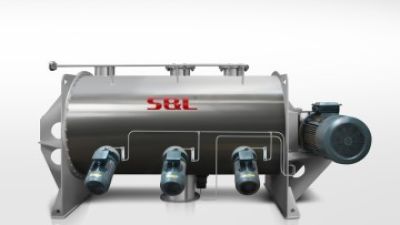
The Plough Share Mixer stands out in the realm of innovative mixing solutions, boasting features that significantly enhance operational efficiency across various industries. With its advanced agitator options and high-speed chopper, this versatile mixer excels in achieving uniform blending of both powders and granules. Data from industry reports indicate that optimal mixing processes can improve product quality by up to 30%, highlighting the importance of employing equipment like the Plough Share Mixer that prioritizes precision and performance.
One of the key advantages of the Plough Share Mixer is its high share function, which not only facilitates effective material breakdown but also ensures that lumps are reduced through its high-speed chopper. This capability is crucial in industries such as pharmaceuticals and food processing, where consistency in texture and composition is vital. Furthermore, the mixer features a retractable rotor design, which promotes a fully clean operation, allowing for quick product changeovers and minimizing contamination risks. The option for a ceramic lining makes it well-suited for handling abrasive materials, further underscoring its adaptability for diverse applications.
Another noteworthy feature is the liquid spraying nozzle that can be evenly installed and arranged, enabling precise moisture addition during the mixing process. This level of control is essential for achieving desired product characteristics, particularly in applications where the introduction of liquids can influence the final product's properties. As research indicates, efficient mixing not only optimizes productivity but can also lead to substantial savings in raw material costs, making the Plough Share Mixer a strategic investment for industries aiming to improve blending efficiency and reduce operational costs.
FAQS
: The main types of chemical fertilizer mixers are horizontal mixers, vertical mixers, batch mixers, and continuous mixers. Horizontal mixers are designed for large quantities, vertical mixers are suited for smaller batches, batch mixers allow for different formulations in small amounts, and continuous mixers cater to large-scale production with an uninterrupted flow.
Consider the size of your operation, your mixing requirements, and how frequently you'll need to switch formulations. This will help determine whether a batch or continuous mixer is most suitable for your needs.
Durability is crucial because it affects the mixer’s performance and longevity. A well-constructed mixer made of materials like stainless steel or high-grade carbon steel can resist corrosion and wear, reducing breakdowns and maintenance costs.
Focus on the materials used and the design features, such as robust welds and support structures. A reputable manufacturer with a commitment to engineering excellence can indicate a mixer’s potential lifespan and reliability.
Regular maintenance should include routine inspections, cleaning, lubrication of moving parts, and timely replacement of worn components. Establishing a maintenance schedule per the manufacturer's recommendations can help prevent potential issues.
Reliable support services offer technical assistance, spare parts availability, and training programs for staff. This can minimize downtime during repairs and improve staff understanding of the equipment, enhancing performance and durability.
Consistent maintenance, including inspections and timely repairs, can help identify issues before they escalate, reducing the risk of unexpected breakdowns and additional costs.
Look for mixers made from stainless steel or high-grade carbon steel, as these materials are known for their durability and resistance to corrosion and wear from abrasive fertilizers.
The design and engineering determine mixing efficiency and reduce mechanical failures. Well-engineered mixers enhance performance and consistency in product quality, which is critical in agricultural operations.
Maintenance frequency can vary, but it’s essential to follow the manufacturer's recommendations for routine inspections, cleaning, and lubrication to ensure efficient operation and to extend the equipment's lifespan.
Conclusion
Chemical Fertilizer Mixers play a crucial role in modern agriculture, enabling farmers to efficiently blend various nutrients for optimal crop growth. When choosing the best mixer for your needs, it is essential to understand the different types available on the market, along with key features such as mixing capacity, durability, and ease of maintenance.
Assessing the capacity and size requirements of your operation will help ensure that you select a mixer that can handle your workload. Additionally, consider the balance between cost and quality, as investing in a reliable mixer can lead to long-term savings through improved efficiency and reduced maintenance needs. Proper maintenance and support also contribute to the longevity of your equipment, making it essential for successful agricultural practices.