Picking out the right Explosion-Proof Mixer isn’t exactly a walk in the park. Honestly, it can feel pretty overwhelming. Industry veteran John Smith from SafetyMix Solutions puts it simply: "Choosing the right gear is super important for keeping things safe and running smoothly in risky environments." And honestly, that choice can really make or break safety and efficiency on the job.
An Explosion-Proof Mixer has got to meet some pretty strict safety standards. Not only does it help cut down on risks in those volatile spaces, but it also boosts overall productivity. That said, not every mixer out there is the same, and figuring out what’s best for your specific needs isn’t always straightforward. People often miss some vital details that could seriously impact how well things work.
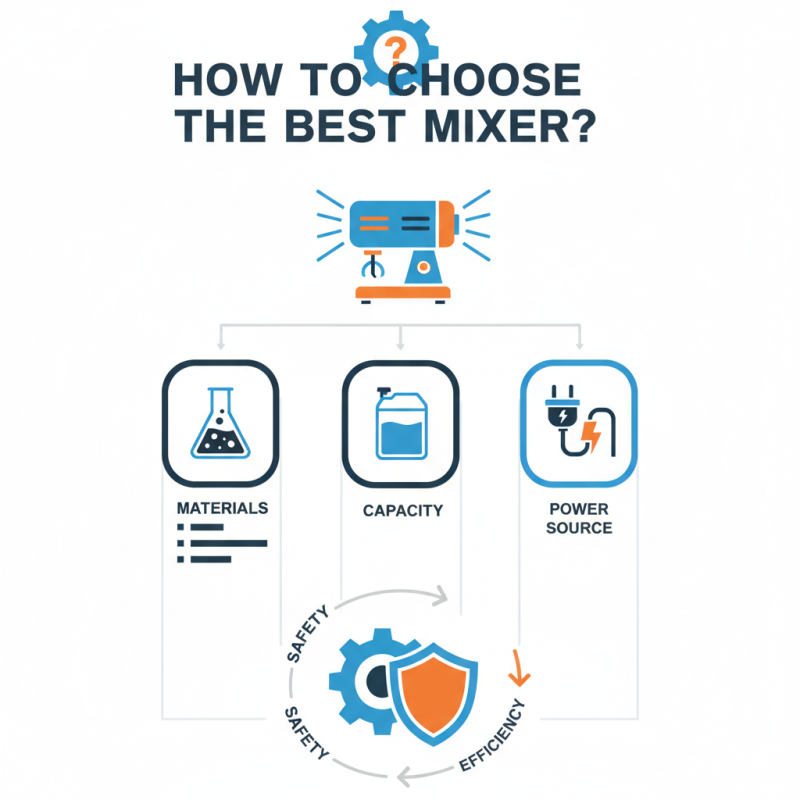
When you’re checking out mixers, don’t forget to consider the materials you’re working with, how much capacity you need, and what kind of power source it requires. These little details might seem minor, but they’re actually really important for making sure you get top-notch performance. Choosing an explosion-proof mixer isn’t just about safety — it’s about carefully weighing your options to make sure you’re getting the best fit for your operation.
When selecting an explosion-proof mixer, understanding its key features and safety standards is crucial. Explosion-proof mixers must adhere to rigorous safety regulations, such as the National Electric Code (NEC) and ATEX directives. These standards ensure that equipment can withstand hazardous environments, minimizing the risk of ignition.
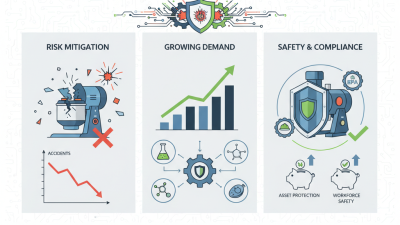
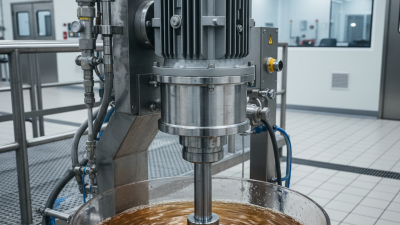
Key features to consider include the mixer’s construction materials, sealing methods, and ventilation systems. For example, stainless steel is commonly used for its durability and resistance to corrosion. Further, effective sealing prevents dust or gas from entering the mixer body. A report from the Occupational Safety and Health Administration (OSHA) highlights that up to 85% of industrial accidents in explosive environments are linked to inadequate equipment safety.
The importance of a reliable explosion-proof mixer cannot be overstated. A poorly designed mixer may compromise safety. It's essential to scrutinize certifications and test results for any equipment. Engineers emphasize that regular maintenance and inspection are vital for ensuring long-term reliability. Understanding these elements can help you select the most suitable mixer without overlooking critical safety aspects.
When selecting an explosion-proof mixer, understanding the various types available is crucial. Different designs cater to specific applications. For example, batch mixers are common in industries like pharmaceuticals, while Continuous Mixers serve chemical processing. According to a recent industry report, approximately 35% of explosions in production facilities stem from improper equipment selection. Using the correct type of mixer can significantly mitigate this risk.
The demand for explosion-proof mixers has surged, especially in sectors handling volatile materials. A notable study indicated that over 40% of manufacturing accidents are linked to inadequate mixing equipment. Feed Mixers designed for hazardous environments typically feature reinforced enclosures and specialized motor options. These adaptations help maintain safety while ensuring optimal performance. However, the selection process isn't always straightforward, as there are multiple factors to weigh—including capacity, viscosity of materials, and operating conditions.
Choosing the right explosion-proof mixer can feel daunting. Mixing efficiency, safety standards, and regulatory compliance all must align. Some facilities may overlook maintenance needs, which can lead to decreased performance. Addressing the balance of these factors enhances reliability. Investing in high-quality Feed Mixers is essential but should also include regular assessments of their operational health, ensuring that they meet evolving safety requirements.
When choosing an explosion-proof mixer, motor power and capacity play crucial roles. The right motor must meet your specific mixing requirements. A higher horsepower motor ensures consistent mixing in demanding applications. However, not all projects require high power. For lighter tasks, a less powerful motor can suffice.
Consider the size and volume of materials you plan to mix. A Cone Mixer often requires bulk capacity to handle large quantities. This means examining your batch sizes. If your production is small, a smaller mixer might be sufficient. However, larger projects need equipment that can handle increased loads efficiently.
Think about the consistency of your materials as well. Some substances mix easily, while others are thicker and more challenging. This impacts the motor power you need. Reflect on your mixing processes and any potential issues. Investing in the right mixer can optimize production, making your workflow smoother and more reliable.
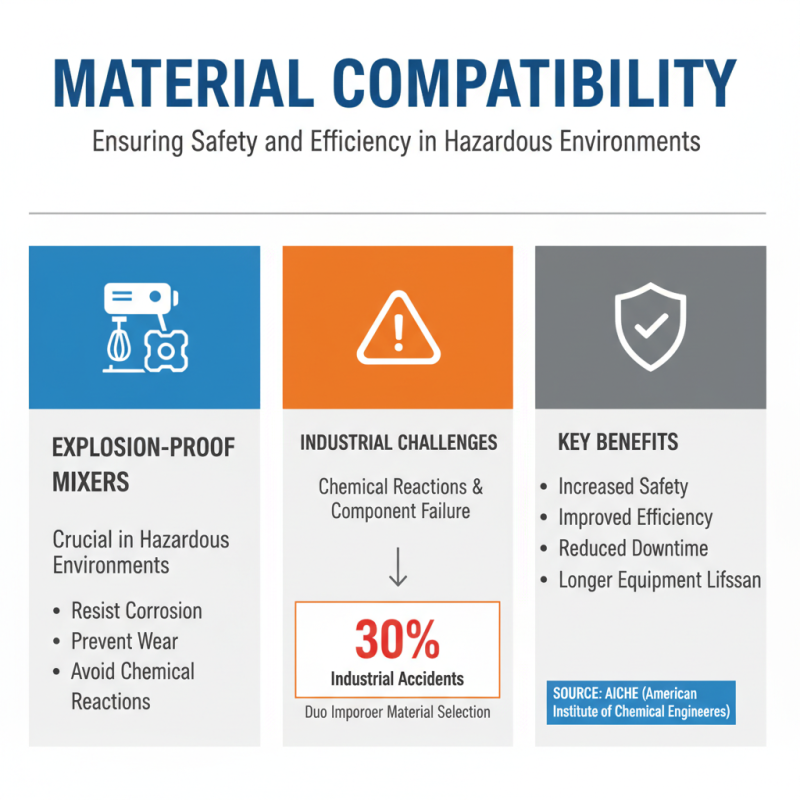
When selecting an explosion-proof mixer, material compatibility is crucial. In hazardous environments, every component must resist corrosion and wear. Many industries face challenges due to chemical reactions. For example, according to the American Institute of Chemical Engineers, improper material selections can lead to 30% of industrial accidents.
Common materials include stainless steel and specific alloys. Stainless steel provides durability and resistance to various chemicals. However, some mixtures require specialized coatings or materials to prevent reactions. Atex Mixers often feature surfaces designed to tolerate aggressive substances. Each component's compatibility needs rigorous testing to meet safety standards.
Compatibility isn't just about the material; it also involves the mixer’s design and function. Mixing speeds and blade configurations can affect how materials interact. For instance, rapid mixing can generate heat, leading to potential hazards. Manufacturers should provide data on mixer behavior with specific materials. Understanding these aspects can help prevent failures. Atex mixers offer detailed reports on material performance for informed decisions.
When selecting an explosion-proof mixer, compliance with industry standards is vital. Various regulations govern such equipment. Understanding these regulations can be challenging. Manufacturers must adhere to safety standards like ATEX and IECEx. These certifications ensure that equipment can operate safely in hazardous environments.
The Nauta Mixer, for example, must meet specific criteria to gain certification. It may require rigorous testing and documentation. Compliance does not end with the purchase. Regular maintenance and inspections are necessary. Failing to meet these standards can lead to dangerous situations. It is crucial to stay updated on regulations as they can change.
Evaluate the certifications of any mixer before buying. Ask questions about testing methods and results. Some manufacturers may not fully disclose this information. An informed choice requires thorough research. Understanding certification details provides you with peace of mind when selecting an explosion-proof mixer for your needs.
When selecting an explosion-proof mixer, maintenance and durability are crucial factors. Regular upkeep ensures the mixer operates safely and efficiently in hazardous environments. Inspect seals and gaskets frequently for wear and tear. Replace components as needed to prevent leaks. A proactive approach minimizes potential downtime.
Durability is vital for long-term use. Look for high-quality materials and robust construction. Stainless steel and other resistant materials enhance longevity. Corrosion and impact resistance are essential features in harsh settings. Even the best mixers may face unexpected challenges over time. Regular assessments can catch issues early.
Training staff on proper usage and maintenance is beneficial. They should understand the specific requirements of the equipment. Improper handling can lead to damage or inefficiency. An experienced team can spot warning signs before they escalate. Investing in the right knowledge pays off in the long run. Regular training sessions can improve operational reliability.
When budgeting for an explosion-proof mixer, it's crucial to consider all associated costs. According to industry reports, the initial investment can range from $5,000 to $50,000, depending on specifications and capacity. Maintenance costs should also be factored in. Regular upkeep can add an additional 10-15% of the initial cost per year.
The correct design and materials are essential. Selecting a mixer made from high-quality, corrosion-resistant materials can save money on repairs over time. Ensure that you account for energy consumption, as different mixers have varying efficiencies. Opting for a more efficient model may result in long-term savings.
Tips for budgeting:
- Research industry standards for explosion-proof mixers to avoid overpaying.
- Assess the total cost of ownership, not just the purchase price.
- Evaluate potential downtime costs if machinery fails.
Understand that cheaper options may compromise safety and compliance. This can lead to higher costs in the long run. Careful planning is necessary. Analyze your operational needs thoroughly. Always seek quotes from multiple suppliers for better comparison. Balancing initial investment with reliable performance is key.
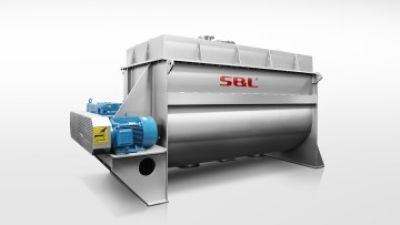
The Horizontal Ribbon Mixer stands out as a vital asset in industrial mixing operations, thanks to its efficient and uniform mixing capabilities. This equipment is engineered to cater to a diverse range of materials, making it suitable for various industries, from food production to pharmaceuticals. Its innovative double ribbon design helps attain a consistent mix, ensuring that each batch retains the desired quality, which is especially crucial when working with sensitive components that require gentle processing to maintain integrity.
In addition to its effective mixing features, the Horizontal Ribbon Mixer offers flexibility in capacity, accommodating both small and large production needs. This adaptability is particularly beneficial for facilities with height constraints, allowing for the implementation of larger models without compromising operational efficiency. The paddle-style and discontinuous ribbon design further enhance its functionality, enabling the mixer to handle materials delicately while achieving thorough blending. This combination of attributes not only maximizes productivity but also ensures that the quality of the mixed materials meets strict industry standards.
: Motor power ensures consistent mixing. Higher horsepower is beneficial for demanding applications.
Consider your batch sizes. Smaller productions can use compact mixers.
Stainless steel and specific alloys are recommended for durability and chemical resistance.
Test materials rigorously. Check if the mixer’s design and function match your material needs.
Regularly inspect seals and gaskets. Replace worn parts to prevent leaks and downtime.
Rapid mixing can generate heat. This can cause potential hazards if not managed properly.
Trained staff can maintain equipment properly and identify issues before they worsen.
Improper material choices can lead to reactions, which may cause accidents and production losses.
Regular assessments are essential. Check for corrosion and impacts to prevent unexpected failures.
Yes, less powerful motors are fine for lighter tasks. However, ensure it meets your mixing needs.
When selecting the best Explosion-Proof Mixer for your specific needs, it’s crucial to understand the key features that ensure safety in hazardous environments. This includes assessing the mixer’s design type, motor power, and capacity, as well as material compatibility to maintain efficiency while mitigating risks. Additionally, regulatory compliance is essential, as the mixer must meet industry standards and certifications to guarantee safe operation.
Maintenance and durability are also vital considerations for long-term use, ensuring that your investment remains reliable over time. Finally, conducting a thorough cost analysis will help you budget effectively for your Explosion-Proof Mixer, balancing initial costs with the benefits of enhanced safety and efficiency in your operations. By evaluating these factors, you can make an informed decision that aligns with your mixing requirements and safety regulations.