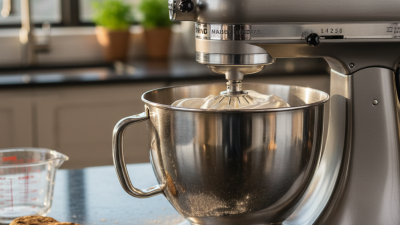
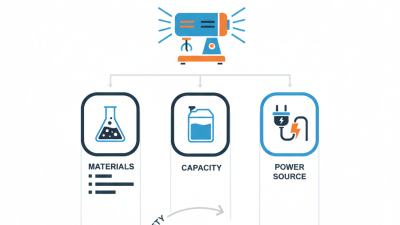
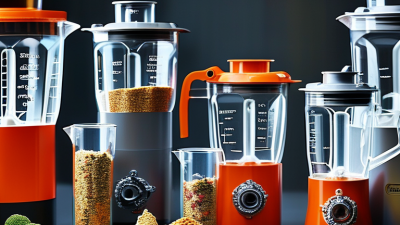
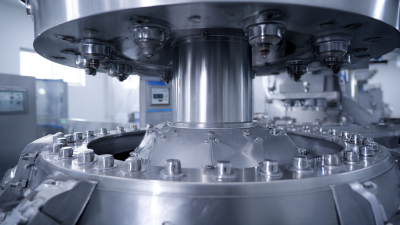
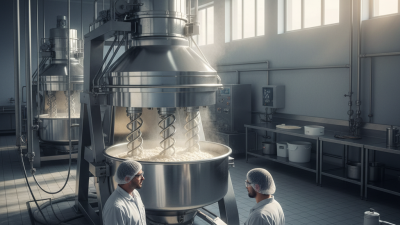
Picking the right High-Pressure Mixer is super important for your production needs — it can really make a difference when it comes to efficiency and the quality of your product. When you choose the right one, everything can run more smoothly, and your results will likely be better. That said, deciding on the perfect mixer isn’t always easy because there are so many options out there, and it can feel a bit overwhelming.
First off, it’s key to get a clear idea of what you actually need. Different industries have their own unique requirements. For example, if you’re in food processing, you might need a mixer that can handle thicker, stickier mixtures without a fuss. Meanwhile, a construction material company might be more focused on durability and high output to keep up with production. So, each situation calls for a specific type of High-Pressure Mixer tailored to those demands.
Doing a bit of research on reputable brands can really help you make a solid choice. Companies like Sika and Graco are well-known for their reliable equipment. But keep in mind, every mixer has its pros and cons. That’s why it’s smart to evaluate what features matter most to you and prioritize those that add real value. Also, don’t forget to check in on your mixer’s performance regularly. Think about whether it’s still meeting your expectations and needs — staying on top of this can really help improve your results and keep your projects running smoothly.
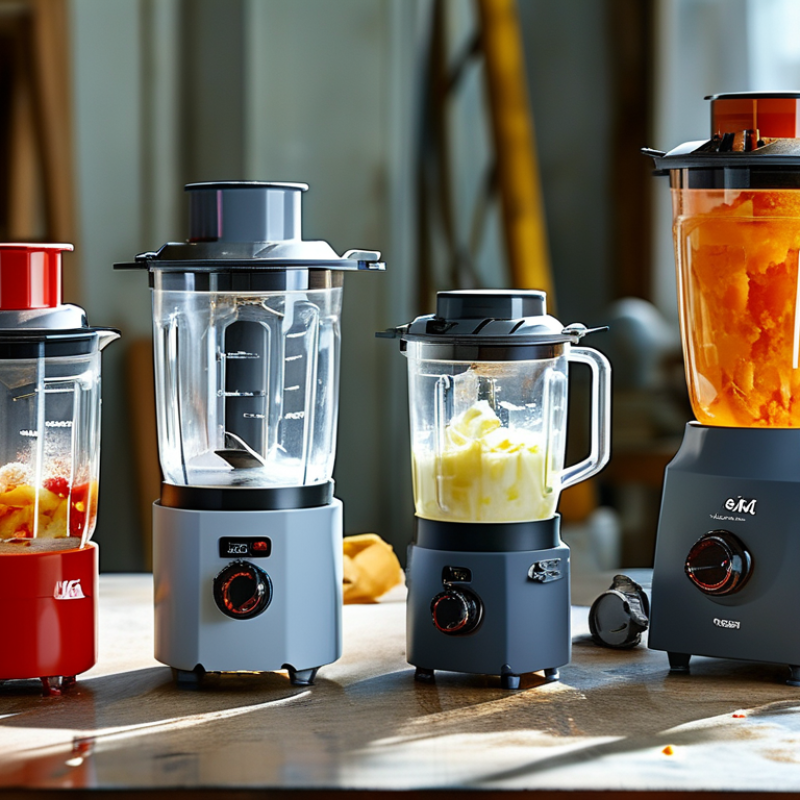
Understanding High-Pressure Mixers: Definition and Applications
High-pressure mixers are essential tools in various industries. They are designed to blend materials effectively under high pressure, ensuring a homogeneous mixture. These mixers find applications in sectors like construction, food processing, and pharmaceuticals. Understanding the function of a high-pressure mixer can significantly impact the quality of your final product.
These mixers typically utilize high-speed blades or impellers. This mechanism helps reduce particle size and enhance the dispersion of materials. The efficiency of a mixer can vary based on design and application. For instance, a mixer used in the food industry must meet strict hygiene standards, while one in construction focuses on durability and blending efficiency.
Choosing the right mixer requires a thoughtful approach. Evaluate the materials you intend to mix and the desired final consistency. Some may find it challenging to achieve uniformity using standard options. Conducting tests with small batches can offer insights into performance. This exploration may lead to adjustments in pressure settings or mixing times. The process may feel frustrating, but the right insights will guide your decision-making.
Analysis of High-Pressure Mixer Applications
Key Performance Metrics for High-Pressure Mixers: What to Consider
When selecting a high-pressure mixer, certain performance metrics hold significant weight. Flow rate is crucial. High-pressure mixers typically operate between 5 to 50 liters per minute. This range can greatly affect the efficiency of your applications. If your process requires a higher volume, a mixer with a greater flow rate may be necessary. Inadequate flow rates could lead to longer processing times, which impacts productivity.
Another key aspect is the pressure rating. Most high-pressure mixers are designed to operate within 500 to 3,000 psi. However, some applications may require even higher pressures. Understanding the requirements of your mixing tasks is vital. Operating at insufficient pressure can result in incomplete mixing or inadequate emulsification. Such scenarios can lead to quality issues in final products.
Viscosity is also a fundamental factor. Many high-pressure mixers can handle materials with viscosities ranging from 1 to 100,000 centipoise. But, if your materials are outside this range, you may need to rethink your equipment choice. A mismatch in viscosity can lead to operational inefficiencies. Additionally, certain mixers struggle with maintaining consistent parameters across varying materials. It's essential to pilot test when possible. Balancing these factors ensures the most effective mixer selection for your specific production needs.
Material Compatibility: Choosing the Right Mixer for Your Products
When selecting a high-pressure mixer, material compatibility is crucial. Different materials can affect performance and quality. For instance, if you're mixing adhesives, a high-shear mixer made from corrosion-resistant materials is essential. According to a report by the Mixing Equipment Manufacturers Association, over 30% of mixer inefficiencies stem from improper material selection.
This inefficiency leads to higher operational costs. For example, mixing certain chemicals in a non-compatible mixer could lead to contamination. A survey conducted by the Machinery and Equipment Manufacturers Institute (MEMI) revealed that misalignment in material compatibility is responsible for 25% of failures in mixer performance. Therefore, understanding the chemical properties of the materials is vital.
The choice of a high-shear mixer should also consider temperature and pressure ratings. Mixing sensitive substances requires equipment that can endure high pressure without compromising the material. The right mixer can enhance product consistency, ensuring uniformity. When faced with tight specifications, reviewing the compatibility of materials with mixer components can prevent costly mistakes.
Power and Efficiency: Evaluating Motor Specifications in Mixers
When choosing a high-pressure mixer, motor specifications play a crucial role in determining power and efficiency. The motor's horsepower rating is important. Higher horsepower often translates to better performance in mixing different materials. However, buyers should assess their specific needs. A powerful motor may not always be necessary for lighter applications. Understanding the workload is vital.
Another key factor is the motor type. Induction motors are common and dependable. They tend to provide consistent power without overheating. Conversely, brushless motors can offer higher efficiency and longer lifespans. Yet, they may come at a higher initial cost. Evaluating the long-term benefits of each type is essential for making an informed choice.
Moreover, consider the electrical specifications. Voltage ratings should match local supply systems. Mismatches can lead to performance issues or safety hazards. A reliable mixer will have a smooth power delivery. Unstable motors can result in inconsistent mixing. Finding a balance between power and stability is critical. This evaluation often involves reflection on how mixing affects your overall process. A deeper understanding of motor specifications can influence the overall success of your mixing tasks.
Maintenance and Durability: Ensuring Long-Term Mixer Performance
When selecting a high-pressure mixer, maintenance and durability are crucial for long-term performance. Regular cleaning is essential to prevent build-up and ensure optimal functionality. Consider using light solvents that do not damage seals or components. Not all high-pressure mixers are created equal; choose one with durable materials. Stainless steel is often the best choice for components. Inspect all parts frequently for wear. This can save you from costly replacements.
Another important aspect is how you handle the mixer during use. Avoid overloading it, as this can lead to premature wear. Pay attention to the operator manual for specific guidance on load capacities. A well-maintained high-pressure mixer can last for many years if you follow basic care guidelines. Do not underestimate the importance of routine checks on hoses and connections. A small leak now can lead to bigger problems later.
Always keep an eye on the mixer’s performance. If you notice unusual vibrations or sounds, investigate immediately. This might indicate that something is off. Taking preventive measures can greatly enhance the lifespan of your equipment. A proactive approach makes all the difference. The right high-pressure mixer, paired with diligent maintenance, can provide exceptional value over time.
How to Choose the Best High-Pressure Mixer for Your Needs? - Maintenance and Durability: Ensuring Long-Term Mixer Performance
| Feature | Description | Importance | Maintenance Tips |
| Material Quality | High-quality materials resist wear and corrosion | Very High | Regularly inspect for wear and replace damaged parts |
| Seal Type | Effective seals prevent leakage and contamination | High | Check seals regularly and replace as needed |
| Motor Power | Adequate power ensures efficient mixing at high pressures | Moderate | Keep motor clean and ensure adequate cooling |
| Maintenance Accessibility | Easy access to components facilitates regular maintenance | High | Design should allow quick access for service tasks |
| Warranty Period | Longer warranties indicate manufacturer confidence in durability | High | Review warranty terms and handle issues promptly |
Cost Analysis: Budgeting for Your High-Pressure Mixer Investment
When budgeting for a high-pressure mixer, consider both initial and ongoing costs. Look beyond the purchase price. Installation and maintenance significantly affect the overall investment. You might think you found a bargain, but hidden costs can add up quickly over time. Factor in utility expenses. An energy-efficient High Efficient Mixer can save money in the long run.
Ensure your chosen mixer caters to your production requirements. Assess the mixer’s capacity and functionalities. Cheaper options may lack crucial features, leading to inefficiencies. Balancing cost and capability is essential. Understand your business needs and make informed decisions.
Find ways to optimize spending. Research financing options or leasing opportunities. Many suppliers offer flexible payment plans. Invest time in comparing models. A well-spent effort can reduce costs in the future.
Take note. It's easy to focus solely on price, but quality matters too. Poor performances can lead to wasted materials and lost time. Choose wisely. The right High Efficient Mixer may seem pricier but can pay off with increased efficiency.
Manufacturer Reputation: Assessing Brands and Customer Feedback
When selecting a high-pressure mixer, it's crucial to consider the manufacturer's reputation. A company’s track record can provide insights into product quality. Customer feedback often highlights real-world challenges and benefits. Look for reviews that detail usage experiences and potential issues with the mixer. An effective mixer should be reliable and durable in various applications.
Another aspect to assess is the consistency of positive feedback. A handful of strong reviews might be encouraging, but patterns are more telling. Was the high-precision mixer praised for its performance over time? Even reputable brands can have products that underperform. Understanding both positive and negative feedback from customers helps create a well-rounded view.
It's essential to reflect on the level of support provided by manufacturers. Responsive customer service can make a significant difference. A good warranty and support system can enhance your overall satisfaction. In an industry where performance can vary significantly, gathering insights helps ensure the right choice. Balancing brand reputation with technical suitability can lead to a successful mixer selection.
FAQS
: Material compatibility affects performance and quality. Wrong materials can cause contamination and inefficiencies.
Mixing incompatible substances can lead to operational costs and performance failures. This can waste time and resources.
Higher horsepower can improve performance, but it’s not always necessary for lighter applications. Understand your specific needs.
Induction motors provide consistent power; brushless motors offer efficiency. Each type has benefits that need evaluation.
Regular cleaning is essential to prevent build-up. Use light solvents to protect seals and components during cleaning.
Stainless steel is recommended for durability. Durable materials increase the lifespan of mixer components.
Frequent inspections can detect wear early. This helps avoid costly replacements and extends equipment life.
Overloading can cause premature wear and damage. Following the operator manual is crucial for safe operation.
Investigate immediately. Unusual vibrations may indicate underlying issues that need attention.
A proactive approach to maintenance can significantly extend equipment life. Regular checks prevent small issues from becoming major problems.
Conclusion
Choosing the right high-pressure mixer involves understanding its definition and various applications across industries. Key performance metrics such as mixing efficiency, pressure capabilities, and operational speed should be carefully considered to ensure the mixer meets specific production needs. It is also essential to evaluate material compatibility to select a mixer that works well with the products being processed.
Power and efficiency are crucial factors, where analyzing motor specifications can significantly impact operational costs and performance. Maintenance and durability are vital for ensuring the long-term functionality of the mixer, while conducting a cost analysis helps in budgeting effectively for this investment. Lastly, assessing manufacturer reputation through customer feedback adds value in making an informed decision when selecting the best high-pressure mixer for your requirements.