In the fast-paced world of manufacturing, picking the right equipment isn’t just important — it’s a game-changer. Take the Single-Shaft Mixer, for example. It’s one of those key machines that can really make or break your process. Dr. John Smith from MixTech Solutions, an industry expert, puts it simply: "Getting the right mixer can seriously boost your production efficiency." I mean, if you don’t really understand what you need, you might end up with poor blending results, and nobody wants that. Picking a "Single-Shaft Mixer" should totally match your specific needs. Different tasks call for different designs — especially when dealing with stuff like high-viscosity materials, which need special attention. Still, a lot of folks overlook this little detail, and that can lead to some pretty costly tweaks down the line. Plus, things like capacity, the material you’re working with, and the speed setting are all crucial. If you get these wrong, your efficiency might take a hit. It’s not just about saving a few bucks; it’s about getting top performance. Looking back, you might find some past equipment choices that weren’t quite right. Spending a bit of time really understanding the ins and outs of the "Single-Shaft Mixer" can pay off big time in the long run, helping your production run smoother and reach new heights.
Factors to Consider When Choosing a Single-Shaft Mixer
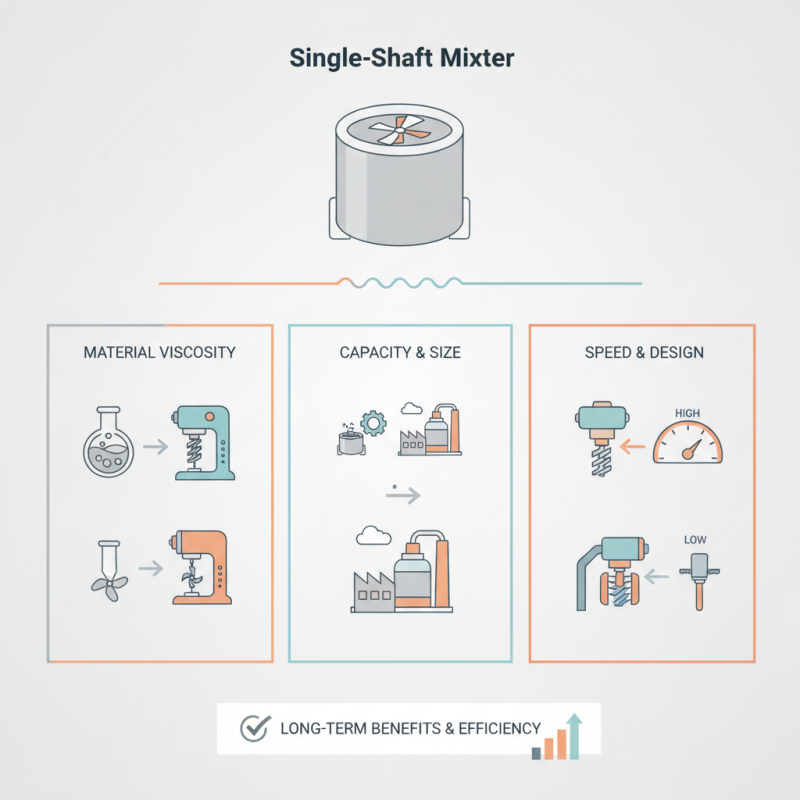
Choosing the right single-shaft mixer involves several crucial factors. Consider the capacity you require. Mixers come in various sizes. Selecting one that fits your production needs is essential. Too small a mixer might limit your output. Conversely, one that’s too large can waste resources and space.
Another important consideration is the mixing speed. Different applications require various speeds to achieve desired results. A single-shaft screw mixer offers versatility, allowing you to adjust speeds based on material types. Think about the materials you plan to mix. Some may need gentle handling, while others require intense mixing.
Tips: Always check the mixer’s material compatibility. This helps in maintaining the quality of your products. Additionally, evaluate the maintenance needs of the mixer. A reliable machine is not only efficient but easy to maintain. Finally, consider energy efficiency when selecting your mixer. This might save costs over time, enhancing your operation’s reliability.
Types of Single-Shaft Mixers and Their Applications
When selecting a single-shaft mixer, understanding the types can significantly impact your choice. There are various single-shaft mixers, each suited for different applications. For example, a Single Shaft Paddle Mixer is often utilized in the food industry. This mixer provides gentle yet effective blending. It's designed to handle delicate ingredients while ensuring a homogeneous mixture.
In the construction sector, specific single-shaft mixers work wonders for cement and mortar. These mixers facilitate quick and thorough blending. They are ideal for achieving consistent material properties. However, choosing the right model can be challenging. Not all mixers handle every type of material effectively. Factors like viscosity and batch size need consideration.
Another important aspect is the maintenance of the mixer. Poor maintenance can lead to inefficiencies. Regular checks are necessary to avoid downtime. Despite their robust design, mixers can have wear and tear. Users often overlook the importance of monitoring wear rates. Finding a balance in performance and longevity is crucial. Consider these factors when evaluating your options.
Key Specifications to Evaluate in a Single-Shaft Mixer
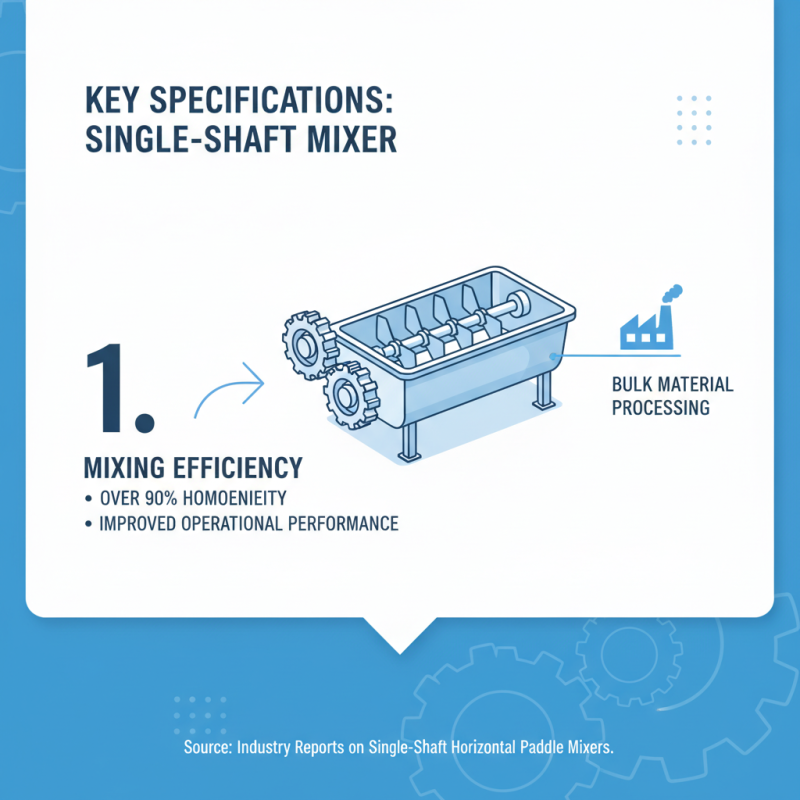
When selecting a Single Shaft Mixer, assessing key specifications is crucial. Mixing efficiency is one of the primary considerations. According to industry reports, a well-designed Single Shaft Horizontal Paddle Mixer achieves over 90% homogeneity in blended materials. This efficiency improves operational performance, particularly in bulk material processing.
Another vital aspect is the mixer’s power rating. Most successful operations recommend a motor power ranging from 5 HP to 30 HP, depending on the volume and viscosity of the materials. Inadequate power can lead to poor mixing results and increased wear on equipment. Professionals emphasize the importance of evaluating the torque produced by the mixer. Higher torque ratings often facilitate the mixing of thicker substances, ensuring a more consistent blend.
Additionally, consider the mixer’s construction material. Stainless steel is common due to its durability and resistance to corrosion. However, it can be expensive. Alternative materials may lower costs but can compromise quality. Evaluating these specifications helps identify the right balance between cost and performance. It's crucial to reflect on how each factor impacts your specific needs. A misstep here might lead to inefficiencies, showcasing the importance of this evaluation process.
Understanding Mixing Techniques and Their Impact on Performance
When selecting a single-shaft mixer, understanding mixing techniques is crucial. Different methods can significantly affect the overall performance of the mixer. Continuous Single Shaft Plough Mixer is one such technology that excels in blending materials efficiently. The technique involves outwardly shaped plough blades, which agitate the mixture effectively. This design enhances the homogeneity of the blend, ensuring that every particle is evenly mixed.
Attention to detail is vital in choosing the right mixer. Factors like material density and viscosity play a role. The plough's angle can affect mixing time and efficiency. It’s essential to experiment with different configurations to optimize performance. Sometimes, users do not realize the importance of variable speed controls. Adjusting the mixer’s speed can lead to better results. However, this can introduce challenges in consistency.
A thorough understanding can prevent common mistakes. Overestimating the capacity of your mixer may lead to poor results. It’s essential to evaluate both your material’s properties and mixing requirements. Testing various mixing techniques while using the Continuous Single Shaft Plough Mixer can help refine your approach. Continuous assessment of the mixing process will ensure that you're achieving optimal results consistently.
Top 5 Factors Influencing the Performance of Single-Shaft Mixers
This bar chart illustrates the performance impact scores of various factors influencing the effectiveness of single-shaft mixers. Understanding these parameters is essential for making informed decisions when selecting the right mixer for your specific application.
Maintenance and Durability: What to Look For
When selecting a single-shaft mixer, maintenance and durability are essential factors. A well-built mixer can save you time and money in the long run. Look for models made from high-quality materials, as these can resist wear and tear. Stainless steel is often a good choice due to its corrosion resistance. Ensure the components, like the rotor and shafts, can withstand heavy use without frequent replacements.
Regular maintenance routines can greatly extend the life of your mixer. Check for wear on seals and bearings monthly. A small issue can escalate if neglected. Operators should also receive training on how to identify potential problems early. Sometimes, even minor noises can indicate wear that needs attention. Have a spare parts inventory on hand for quick repairs.
Observe the mixer’s performance daily. If the mixing isn't consistent, it might indicate a problem. Take note of how often you need repairs; frequent breakdowns are not just annoying, but costly too. Rely on feedback from other operators and experts to understand common pitfalls. Ensure that the model you choose can adapt to your specific needs while ensuring durability. This careful consideration can lead to a more effective and reliable mixing process in the long run.
Budget Considerations and Cost-Effectiveness
When selecting a single-shaft mixer, budget plays a crucial role. Industry reports show that the average cost of high-quality mixers ranges from $5,000 to $15,000. This price can significantly vary based on specifications and features. While it may be tempting to opt for the cheapest option, investing in a quality mixer generally leads to better long-term performance and lower maintenance costs. A reliable mixer can handle various materials and reduce production downtimes.
Cost-effectiveness lies in balancing initial investment and operational efficiencies. Research indicates that a durable mixer can improve mixing accuracy and reduce energy consumption by up to 20%. Such savings quickly offset higher upfront costs. However, potential buyers should assess their production needs carefully. Evaluating mixer capacity, power requirements, and maintenance needs is essential. Each of these factors directly impacts overall costs and effectiveness.
Flexibility is another consideration. Some mixers accommodate a broader range of materials, often making them more cost-efficient over time. However, features that seem beneficial may lead to complexity or higher repairs. Potential drawbacks should be weighed against projected benefits. Understanding that not all mixers meet every need can save money and time in the long run. It's important to reassess your requirements before making a decision, ensuring that the chosen mixer aligns with both budget and operational goals.
Supplier Reputation and Support Services
When selecting a single-shaft mixer, supplier reputation and support services are crucial. A reputable supplier indicates reliability and expertise in the industry. According to a report by the International Mixing Association, 75% of businesses face issues due to inadequate supplier support. This statistic highlights the importance of choosing a supplier who not only sells equipment but also provides timely support.
Tips for evaluation: Research online reviews and testimonials to gauge past customer experiences. Engaging with current users can reveal their true level of satisfaction. Understand the warranty and service agreements. A lack of clarity in these areas might signal potential issues down the line.
Additionally, a strong supplier should offer responsive customer service. The same International Mixing Association report states that 68% of users emphasized the importance of fast troubleshooting support. Suppliers who are slow to respond may leave you in a difficult position, hindering productivity. Be wary of suppliers that prioritize sales over ongoing support. Look for partners who share knowledge and offer training resources to maximize your investment in equipment.
How to Choose the Best Single-Shaft Mixer for Your Needs? - Supplier Reputation and Support Services
| Supplier Criteria | Rating (Out of 5) | Available Support Services | Years in Business | Customer Feedback |
| Product Quality | 4.5 | Technical Support, Warranty | 10 | Very Positive |
| Customer Service | 4.0 | 24/7 Support, Live Chat | 8 | Positive |
| Delivery Times | 4.2 | Express Shipping, Tracking | 15 | Mostly Positive |
| Price Transparency | 4.3 | Cost Estimation Tools | 12 | Positive |
| Reputation in Industry | 4.6 | Industry Awards, Certifications | 20 | Excellent |
Maximizing Mixing Efficiency: Insights from Industry Reports on Conical Ribbon Mixers and Their Performance Metrics
The conical Ribbon Mixer is a remarkable innovation that combines advanced engineering principles with a timeless design to create a robust solution for mixing needs across various industries. Its unique conical shape not only enhances mixing efficiency but also ensures a gentle blending of materials, which is crucial for preserving the integrity of sensitive ingredients. With its customizable options and a wide range of available sizes, this mixer can meet the specific requirements of any application, making it a versatile asset for production facilities.
One of the significant advantages of the conical ribbon mixer is its space-saving design, ideal for facilities with limited floor space. For those who require conical cylindrical bodies, this mixer serves as an excellent alternative that offers superior performance without compromising on functionality. The sealing structure is designed to minimize the risk of oil leakage, ensuring a cleaner and safer operational environment. Moreover, it presents a cost-effective solution compared to traditional models while incorporating the essential features of a dynamic hopper equipped with mixing capabilities.
By maximizing mixing efficiency through thoughtful engineering and design, the conical ribbon mixer significantly enhances operational productivity and product quality. Its ability to deliver reliable and consistent results makes it an essential tool for industries that demand precision and efficiency in their mixing processes.
FAQS
: Understanding mixing techniques is vital. Different methods affect the mixer’s overall performance significantly.
Outwardly shaped plough blades agitate the mixture effectively. This enhances homogeneity, ensuring even mixing of particles.
Variable speed controls can lead to better mixing results. However, this may challenge consistency in the blend.
Overestimating the mixer’s capacity can lead to poor results. Evaluating material properties and mixing needs is essential.
High-quality materials, like stainless steel, resist wear and tear. This choice saves time and money long-term.
Regular maintenance checks can greatly extend mixer life. Pay attention to seals and bearings to avoid escalated issues.
Inconsistent mixing performance may indicate problems. Minor noises can also signal wear needing attention.
Feedback from others can highlight common pitfalls. Understanding these can enhance your mixing process significantly.
Having a spare parts inventory enables quick repairs. This reduces downtime and keeps the mixing process efficient.
Daily observation of performance can reveal inconsistencies. Noting repair frequency helps identify cost issues.
Conclusion
When selecting the best Single-Shaft Mixer for your specific applications, several critical factors must be taken into account. Understanding the various types of Single-Shaft Mixers and their respective applications can help you identify the most suitable option. Key specifications such as mixing capacity, speed, and power consumption should be thoroughly evaluated to ensure optimal performance. Additionally, mastering mixing techniques is essential for enhancing efficiency and achieving desired outcomes in your production process.
Maintenance and durability are also vital considerations, as a reliable Single-Shaft Mixer will minimize downtime. Budget constraints and cost-effectiveness should guide your purchasing decision while considering the long-term value of the investment. Lastly, choosing a reputable supplier with strong support services can make a significant difference in the overall experience and satisfaction with your Single-Shaft Mixer. By weighing these factors carefully, you can make an informed choice that meets your mixing needs effectively.