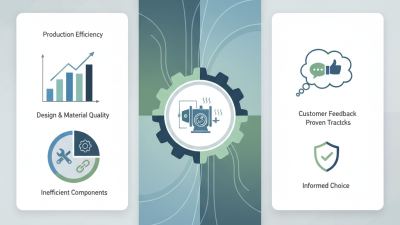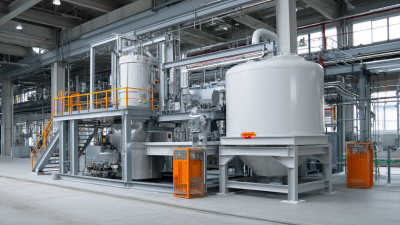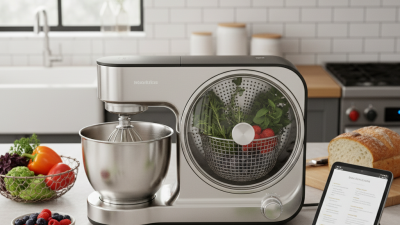
Picking the right Mixer Dryerfor your specific needs can definitely feel a bit overwhelming. With so many options out there, it’s really important to understand what exactly you’re looking for. According to industry reports, like those from Smith Market Research, more than 40% of manufacturers admit they feel pretty lost when trying to decide on a Mixer Dryer. That just goes to show how crucial it is to make an informed choice.
John Anderson, who's a top expert over at ChemTech Solutions, puts it simply: “Choosing the right Mixer Dryer can seriously boost your productivity and cut down on operational costs.” His advice echoes what many folks in the biz have experienced. Honestly, if you pick wisely, it can really streamline your process and even save you some serious cash.
That said, making the perfect choice isn’t always straightforward. Sometimes, folks might end up compromising on certain features or sizes, which can end up causing headaches later on. It’s super important to carefully think about the specs, capacity, and how durable the machine is. The market’s always changing, so staying on top of the latest trends is key to making smart choices in mixing and drying equipment.
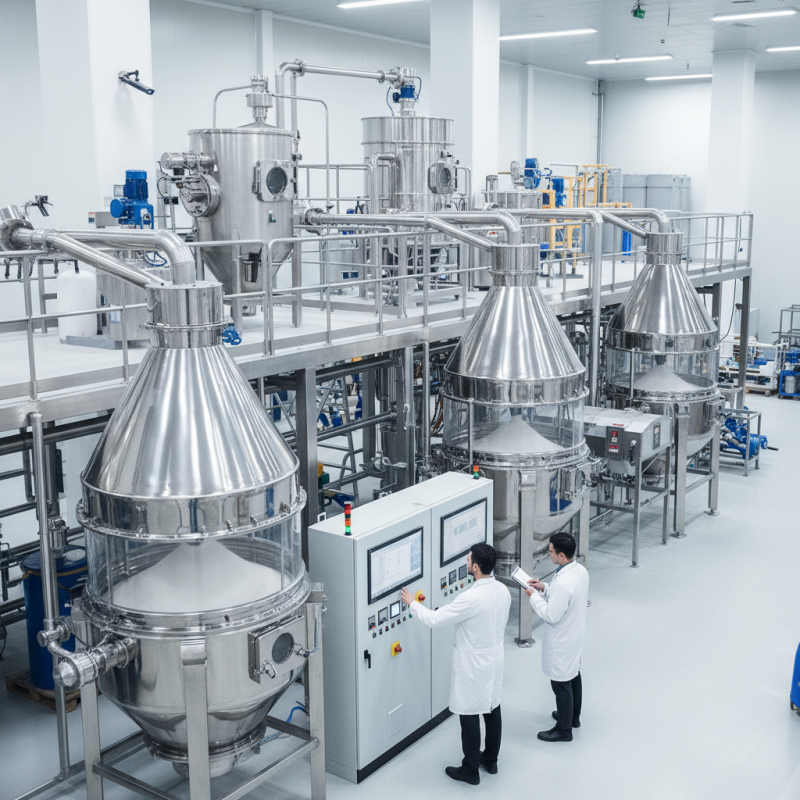
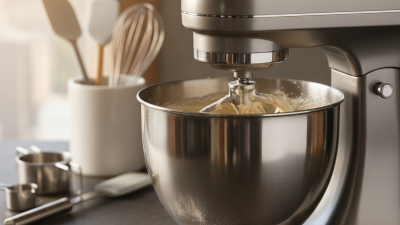
When selecting a mixer dryer, understanding the basics is crucial. A mixer dryer combines two essential functions: mixing ingredients and drying them. This dual capability can streamline your cooking or baking process. Different models offer various capacities and capabilities, so knowing your needs is vital.
Consider the materials used in the mixer dryer. Stainless steel is durable and easy to clean. Plastic components may be lighter but can degrade over time. A high-quality model should have robust construction. Features such as adjustable temperature settings allow for versatility in your cooking.
Reflect on your cooking habits. Do you often prepare large batches or smaller portions? Your answer will influence the size you choose. It's also wise to think about your storage space. A compact model may work better for smaller kitchens. Safety features should not be overlooked; they ensure reliable operation and prevent accidents. Understanding these aspects can help avoid regrets later.
When selecting a mixer dryer, understanding your specific mixing and drying requirements is crucial. Consider the materials you plan to process. Different materials may require varying mixing speeds or temperatures for optimal results. For instance, powders and liquids mix differently. Therefore, knowing their properties can help you choose a suitable machine.
It's also important to assess the desired batch size. Larger batches may need more power and capacity. Additionally, evaluate how often you'll be using the machine. If you require frequent use, durability and maintenance ease become priorities. Reflecting on these factors can help avoid costly mistakes later on.
Think about your workspace. Is there enough room for a large mixer dryer? Space constraints can limit your options. Lastly, consider energy consumption. A more efficient machine may have a higher initial cost but save money in the long run. Balancing these needs may take time, but it ensures a better fit for your operational goals.
| Model | Mixing Capacity (L) | Drying Capacity (L) | Power Consumption (kW) | Operation Type |
|---|---|---|---|---|
| Model A | 200 | 150 | 5.5 | Batch |
| Model B | 300 | 200 | 7.0 | Continuous |
| Model C | 150 | 100 | 4.0 | Batch |
| Model D | 250 | 175 | 6.0 | Continuous |
| Model E | 180 | 120 | 4.5 | Batch |
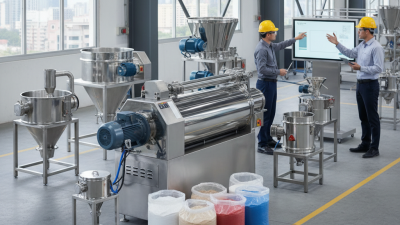
When selecting a mixer dryer, evaluating your capacity needs is crucial. Size matters significantly in mixer dryers. A unit too small may hinder your production. Conversely, an oversized model can waste energy and resources. Start by analyzing your typical batch sizes. If you often mix large volumes, a higher capacity model like the Eva Dryer could be beneficial.
Consider your space limitations as well. A compact unit may fit better in smaller facilities, allowing for easier maneuverability. Reflect on how often you'll need to run multiple batches. If demands fluctuate, a versatile mixer dryer can save time and increase productivity. Balancing size and operational needs is key.
Do not overlook the importance of future growth. If you anticipate an increase in production, plan accordingly. Sometimes, choosing a slightly larger capacity might be wise. Yet, remember that larger units can be costlier to maintain. It's essential to weigh these factors carefully when making your decision.
When selecting a mixer dryer, several key features warrant your attention. Start with the machine's capacity. Smaller units work well for home usage, while larger models suit industrial applications. Ensure that the capacity aligns with your production needs. Next, look for an efficient blending mechanism. A robust mixer will ensure uniformity in your materials. This aspect is critical for achieving the desired consistency in your end product.
Temperature control is another essential feature. Different materials require specific drying conditions. A precise temperature setting helps in achieving optimal results without damaging the substances. The build quality matters too; use a mixer dryer constructed from durable materials. This will enhance reliability over time and reduce the need for repairs.
Lastly, consider the ease of use and maintenance. A complex machine can lead to operational delays. User-friendly controls and easy cleaning options are advantageous. Remember, a machine that is difficult to operate may not meet your production expectations. These considerations, although seemingly straightforward, often get overlooked. Reflect on your choices, and select wisely for long-term success.
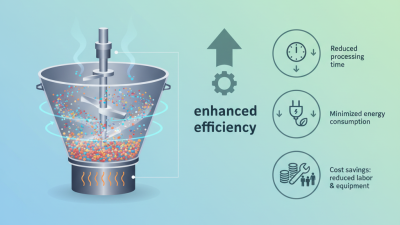
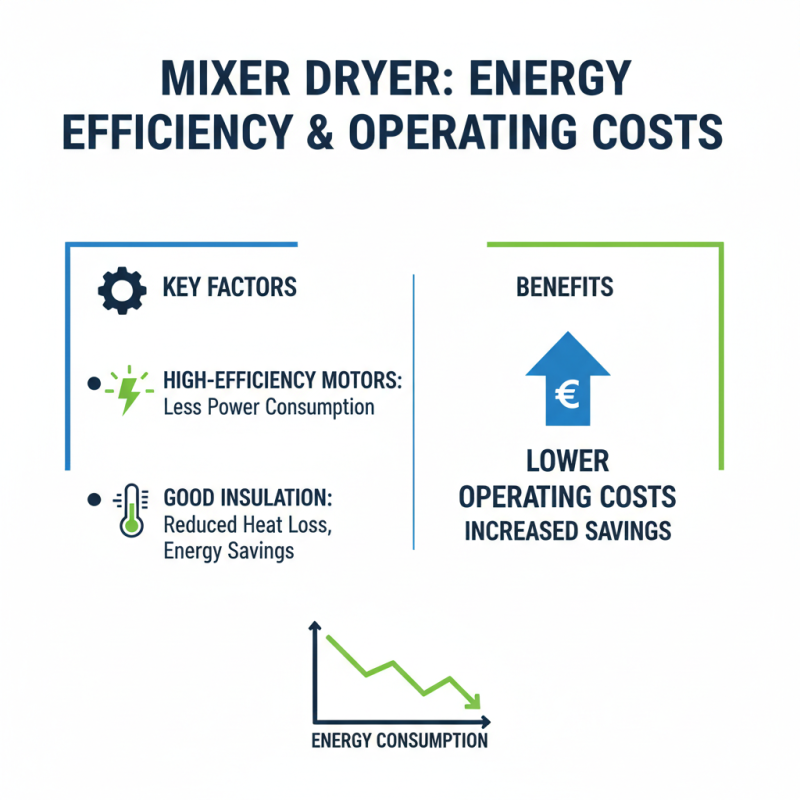
When selecting a mixer dryer, energy efficiency plays a critical role in reducing operating costs. Look for models designed with high-efficiency motors. These motors consume less power during operation. Additionally, consider the insulation of the unit. Good insulation reduces heat loss, resulting in energy savings.
Paddle Dryers are known for their efficiency. They use heated paddles that blend and dry materials simultaneously, minimizing energy consumption. Many users report that these dryers can significantly lower energy bills over time. However, the initial cost may be higher compared to conventional dryers. Reflect on your budget and long-term savings.
Operating costs also involve maintenance. Regular upkeep ensures your dryer runs smoothly and efficiently. Lack of maintenance could lead to higher wear and tear. This might contribute to increased energy usage and early replacement. Assess your willingness to invest time and resources in maintenance. This will help you make an informed decision on the best mixer dryer for your needs.
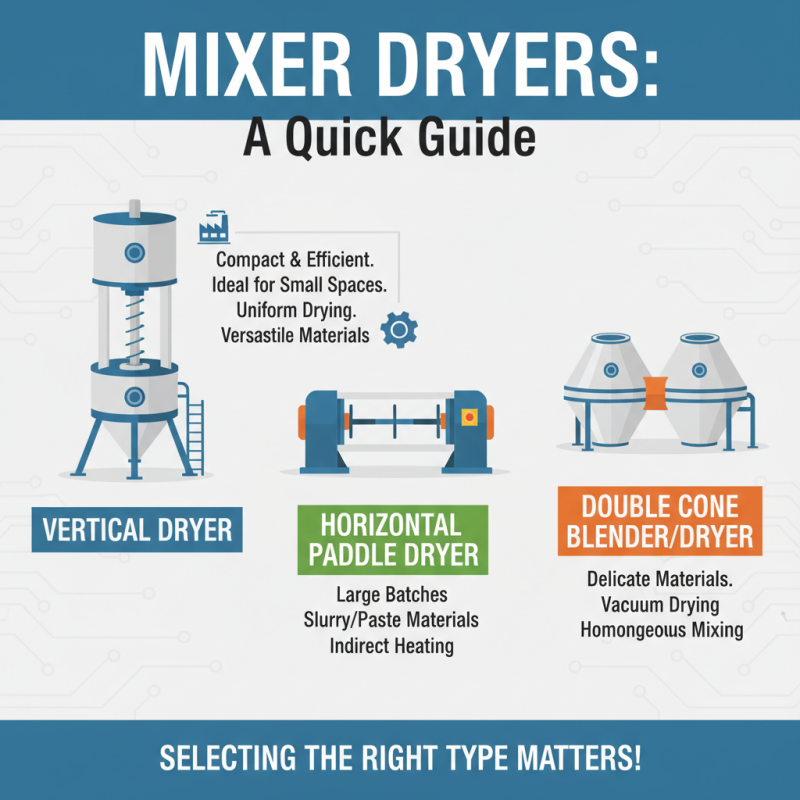
When selecting a mixer dryer, it's essential to understand the various types available. Each type serves different needs and industries. For instance, a Vertical Dryer is often compact and efficient for smaller spaces. This design is suitable for uniform drying and can handle various materials.
Another common type is the Horizontal Mixer dryer. It provides greater capacity and is suitable for large-scale operations. This type often allows for better mixing and improved heat distribution. Users often find that horizontal designs lead to more consistent results, though they may require more floor space.
Choosing the right mixer dryer should align with your operational requirements. Consider the types of materials you will use and the volume. It's common to overlook maintenance needs, which are crucial for longevity. Always evaluate the intended application and re-assess your options. How much space do you truly have? How often will you need to clean the equipment? Addressing these questions can help make better choices.
When choosing a mixer dryer, examining brand reputation is crucial. A reliable brand often reflects a commitment to quality. Look for customer reviews that highlight durability and performance. Misleading advertising can obscure true product value. Therefore, rely on honest feedback from real users.
Consider how others have experienced the Cylindrical Dryer . Look at how it fits specific needs. Different users prioritize different features. Some appreciate energy efficiency, while others seek speed. Not all reviews will resonate with your requirements. This creates a space for reflection on your priorities.
Lastly, keep in mind that even top-rated products have flaws. No device is perfect. Read both positive and negative reviews. This balance offers a clearer view. Remember, your choice should reflect your individual needs and preferences, not just popular opinion.
: Capacity needs determine production efficiency. A unit that’s too small can limit output. An oversized model wastes energy.
Analyze your usual batch sizes carefully. Larger volumes often require a higher capacity model for better results.
A compact unit fits better in small facilities. It allows easier maneuverability and keeps operations flexible.
Energy-efficient models reduce power consumption. This lowers your overall operating costs, beneficial for budget management.
Yes, regular maintenance ensures smooth operation. Neglecting it can lead to higher energy use and early breakdowns.
Look for customer reviews focusing on performance and durability. Honest feedback is vital for understanding product quality.
Yes, anticipate production increases. A slightly larger capacity might be wise, but weigh ongoing maintenance costs too.
No, reviews vary in reliability. Read both positive and negative comments to get a balanced perspective on the product.
Consider your specific needs, budget, and long-term savings. Not just popularity, but personal requirements matter most.
When selecting the best Mixer Dryer for your specific needs, it's crucial to start by understanding the basic functionalities of these machines. Key factors include identifying your mixing and drying requirements, as different applications may demand varying performance characteristics. Size is another important criterion, as the capacity of a Mixer Dryer must match your production needs to ensure efficiency.
Additionally, you should look for essential features such as ease of use, maintenance, and safety options. Evaluating the energy efficiency and operating costs will also help in making a more informed decision. Finally, exploring the various types of Mixer Dryers available and considering brand reputation and consumer reviews can lead you to the most suitable choice for your operations, ensuring you select a reliable machine that meets your production demands effectively.