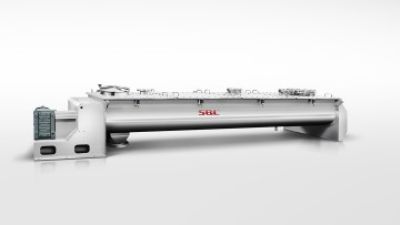
In today’s fast-changing world of manufacturing and food production, it’s really crucial to pick the right equipment — you can’t afford to overlook it. One machine that’s been getting a lot of buzz lately is the Vacuum Mixer. A report by MarketsandMarkets highlights that worldwide, the vacuum mixer market is set to grow big time, hitting around $XX million by 2025. The reason? It’s super efficient at blending high-quality mixes while keeping air bubbles to a minimum. That number really shows just how much industries like pharma, chemicals, and food processing are leaning on more advanced mixing tech these days.
But here’s the thing — choosing the perfect Vacuum Mixer isn’t just about something off a shelf. You’ve got to think about your specific needs: batch size, the kind of materials you're working with, and just how smooth or consistent you want your end product to be. According to Allied Market Research, companies are increasingly on the lookout for equipment that not only keeps their operations running smoothly but also boosts product quality — because, let’s face it, happier customers mean more business. As the demand for smarter, more sophisticated mixers keeps climbing, it’s really important for manufacturers to stay updated on the latest trends and innovations. That way, they’ll make sure they’re picking the best Vacuum Mixer for their needs now and in the future, whether that’s 2025 or beyond.
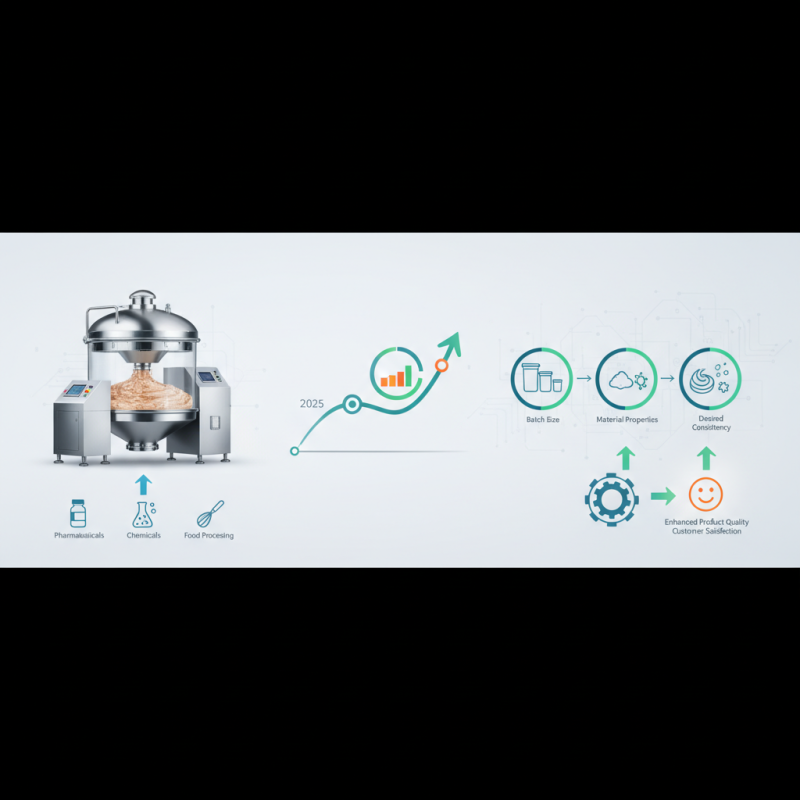
Understanding Vacuum Mixers: What You Need to Know
Vacuum mixers have become increasingly essential in various industries, including food processing, pharmaceuticals, and material science. Understanding the fundamentals of vacuum mixers is crucial for selecting the right equipment to meet specific mixing needs. These machines utilize a vacuum environment to remove air from the mixture, significantly enhancing the quality and consistency of the final product. According to a report by MarketsandMarkets, the global vacuum mixing equipment market is projected to grow from $1.2 billion in 2020 to $1.74 billion by 2025, reflecting a compound annual growth rate (CAGR) of 7.4%. This growth highlights the rising demand for effective blending solutions free from air entrapment.
In selecting a vacuum mixer, it’s important to consider factors such as the mixer’s capacity, the nature of the materials being mixed, and the required mixing speed. Recent studies indicate that materials processed under vacuum conditions often exhibit improved characteristics, such as reduced viscosity and enhanced dispersion. Research published in the Journal of Food Engineering illustrates significant improvements in product stability and shelf life when utilizing vacuum mixing techniques. Understanding these key features and the empirical data supporting them is essential for manufacturers aiming to optimize their production processes.
Key Features to Look for in a Vacuum Mixer
When selecting a vacuum mixer, it's crucial to focus on key features that will cater to your specific mixing needs. One of the most important aspects is the mixer’s capacity. Assess the volume of materials you typically mix and ensure the vacuum mixer can handle that workload efficiently. A larger capacity can be beneficial for bulk processes, while smaller models may suffice for more specialized applications.
Another essential feature is the type of mixing mechanism employed. Different mixers use various technologies, such as paddle, ribbon, or planetarysystems, each suited for different mixing tasks. For instance, Paddle Mixers are effective for thicker materials, while planetary mixers provide thorough incorporation for lighter mixtures. Additionally, look for mixers that offer adjustable speed settings, allowing for customization based on the material consistency and desired outcome.
Equally important is the vacuum capability of the mixer. A high-performance vacuum system reduces air pockets, enhancing product quality and consistency. Make sure to choose a vacuum mixer with efficient sealing and an effective vacuum pump to maintain the integrity of the mixing environment. Lastly, consider the ease of cleaning and maintenance, as these factors will contribute significantly to the longevity and efficiency of your mixer. Ensuring that the vacuum mixer aligns with these features will optimize your mixing processes in 2025 and beyond.
Types of Vacuum Mixers and Their Applications
When choosing a vacuum mixer, understanding the different types available and their specific applications is crucial to meeting your mixing needs. The most common types of vacuum mixers include planetary mixers, Twin-Shaft Mixers, and batch mixers. Each of these mixers operates under varying principles, allowing them to excel in distinct applications. For instance, planetary mixers utilize rotating blades in a planetary motion, ensuring thorough mixing of viscous materials, which is essential in industries such as cosmetics and food processing. According to a 2022 report from the International Mixing Association, effective mixing technology can improve product quality by up to 30%, underlining the importance of selecting the right type of mixer.
Twin-shaft mixers are particularly effective for materials that require intensive mixing, such as mortars and concrete. Their design allows for a homogenous mixture in a significantly reduced time frame, contributing to higher productivity. A study by the Global Mixer Market Research Group projected that the demand for high-capacity mixers would grow by 6% annually through 2025, mainly driven by advancements in materials science and the increasing complexity of formulations across various sectors. This growth emphasizes the need for industries to invest in vacuum mixers tailored to their specific processes, ensuring product consistency and quality in an evolving market landscape.
Assessing Your Mixing Needs: Size, Volume, and Material
When selecting a vacuum mixer, assessing your specific mixing needs is crucial. The size of the mixer plays a significant role in your decision. For smaller projects or laboratory work, a compact mixer can be adequate, providing ease of use and convenience. However, for industrial applications that require larger batches, a more spacious mixer that can accommodate the intended volume is essential. Understanding the scale at which you will be operating will help determine not only the physical dimensions of the mixer but also its overall efficiency in handling materials.
Volume is another critical aspect to consider. Depending on the production scale, you should evaluate how much material you need to mix at one time. A vacuum mixer that can efficiently handle the required volume will minimize processing times and ensure consistent quality in the end product. Moreover, matching the mixer’s capacity with the expected output is vital as it prevents bottlenecks in production. Additionally, consider the types of materials you will be mixing—whether they are powders, liquids, or pastes—as different materials may require distinct mixer configurations and functionalities to achieve optimal results.
Evaluating Brands and Models for Quality and Efficiency
When considering the best vacuum mixer for your mixing needs in 2025, evaluating brands and models for quality and efficiency is paramount. The first step is to assess the materials used in the construction of each model. Look for durable and high-quality materials that can withstand prolonged use while ensuring the integrity of the mixing process. Additionally, focus on the technology utilized within the mixer. Advanced mixing mechanisms can significantly enhance the uniformity of the mixtures, making it vital to choose a model with proven efficiency and effectiveness in achieving thorough blending.
Another crucial aspect to consider is the brand's reputation in the market. Established brands often have a track record of providing reliable products and customer service. Reading customer reviews and expert opinions can offer insights into how different models perform in real-world applications. Furthermore, consider the availability of support and maintenance services, as this can affect the longevity and performance of your vacuum mixer. By carefully evaluating these factors, you can make an informed decision that meets your specific mixing requirements efficiently.
How to Choose the Best Vacuum Mixer for Your Mixing Needs in 2025
| Model | Capacity (L) | Power (W) | Speed (RPM) | Material | Price ($) | Efficiency Rating |
| Model A | 5 | 1200 | 300 | Stainless Steel | 1500 | A+ |
| Model B | 10 | 1500 | 400 | Aluminum | 2000 | A |
| Model C | 15 | 2000 | 500 | Polycarbonate | 2500 | A++ |
| Model D | 20 | 2200 | 600 | Glass | 3000 | A+++ |
Cost Considerations: Budgeting for a Vacuum Mixer
When considering the purchase of a vacuum mixer, budgeting is a critical aspect that can significantly affect your choice and overall satisfaction with the equipment. The initial investment for a quality vacuum mixer can range anywhere from $10,000 to $50,000, depending on the size, functionalities, and technological advancements integrated into the machine. According to a recent industry report by Grand View Research, the global vacuum mixer market is expected to grow at a CAGR of over 6% from 2023 to 2030, underscoring the rising demand across various sectors, including food, pharmaceutical, and cosmetic industries. This market growth highlights the importance of carefully evaluating your mixing needs to determine the features and specifications that justify your investment.
In addition to the upfront cost, ongoing operational expenses should also be factored into your budget. A report by Market Research Future suggests that energy consumption could account for 20-30% of a vacuum mixer's total annual operating costs. Therefore, investing in an energy-efficient model may offer considerable long-term savings. Additionally, maintenance costs, including servicing and spare parts, can accumulate over time; allocating around 10-15% of the initial equipment cost annually for maintenance is advisable. Understanding these financial dynamics will help you make an informed decision and select a vacuum mixer that not only meets your production requirements but also fits comfortably within your budget constraints.
User Reviews and Recommendations for 2025 Models
When considering the best vacuum mixers for your mixing needs in 2025, user reviews play a crucial role in guiding your decision. Many customers emphasize the importance of performance and reliability in their evaluations. When browsing through user feedback, look for comments that highlight the mixer's efficiency in achieving a uniform mix and its ability to effectively reduce air bubbles and voids, which are critical for applications in pharmaceuticals, food processing, and other industries. Detailed reviews often provide insight into the mixer's ease of use, maintenance requirements, and durability under continuous operation, making them valuable resources for prospective buyers.
Additionally, recommendations from fellow users can shed light on specific models that excel in particular applications or that incorporate innovative technologies for enhanced mixing capabilities. Pay attention to aspects such as the mixer's capacity, speed settings, and compatibility with various materials, as these factors can greatly influence performance. Collectively, these insights from user reviews can help you make a more informed decision, ensuring that the vacuum mixer you choose not only meets your operational needs but also aligns with the latest advancements and user preferences in 2025.
Revolutionizing Material Processing: The Benefits and Applications of Continuous Mixers in Various Industries
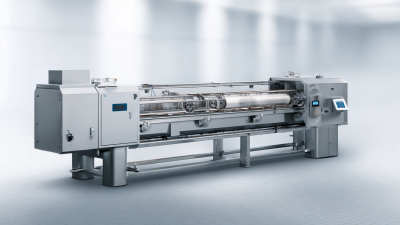
Continuous mixers are transforming the landscape of material processing across various industries by offering unparalleled benefits in efficiency and versatility. These advanced machines are designed to handle high-capacity continuous mixing, making them ideal for sectors such as food processing, pharmaceuticals, and construction materials. A recent report from the Mixing Technology Association highlights that companies utilizing continuous mixing systems have reported a 20% increase in productivity due to reduced cycle times and consistent product quality.
The versatility of continuous mixers is further enhanced by their ability to accept high moisture materials, which is crucial for several applications. The incorporation of customizable internal mixing components allows for optimized blending, resulting in uniformity while maximizing facility space—particularly beneficial for operations with height constraints. Moreover, these mixers can be equipped with a variety of temperature control options, such as hot water or steam jackets, enabling processes that require specific heating or cooling, thus functioning effectively as continuous dryers.
In a world where efficient resource management is paramount, continuous mixers present a cost-effective solution. By combining the functions of mixing and drying, they reduce both operational costs and the footprint of equipment in production facilities. Furthermore, the capability to withstand negative pressure and integrate a comprehensive condensation collection system significantly improves environmental sustainability, reducing waste and enhancing material recovery in production processes. As industries continue to seek innovative solutions, continuous mixers stand at the forefront, driving efficiency and sustainability forward.
FAQS
: Look for durable and high-quality materials that can withstand prolonged use while ensuring the integrity of the mixing process.
Advanced mixing mechanisms significantly enhance the uniformity of mixtures, making it vital to choose a model with proven efficiency and effectiveness in blending.
Established brands often have a track record of providing reliable products and good customer service, which can give you confidence in your purchasing decision.
User reviews can provide insights into performance, reliability, efficiency in achieving uniform mixes, and the ability to reduce air bubbles and voids.
Look for comments on performance, ease of use, maintenance requirements, durability, capacity, speed settings, and compatibility with various materials.
The availability of support and maintenance services can affect the longevity and performance of your vacuum mixer.
Detailed reviews offer valuable insights into the mixer's operational capabilities and can help you identify models that align with your specific mixing needs.
Critical features include the mixer’s efficiency, uniform mixing ability, and performance in reducing air bubbles and voids.
By reviewing user recommendations and feedback, you can identify models that incorporate innovative technologies to enhance mixing capabilities.
The capacity can greatly influence performance, so it's essential to consider whether the mixer's size aligns with your operational needs.
Conclusion
When considering the best Vacuum Mixer for your mixing needs in 2025, it's essential to understand the fundamentals of vacuum mixers, including their working principles and advantages. Key features to prioritize include the mixer’s size, vacuum capability, and ease of use. Different types of vacuum mixers cater to various applications, making it crucial to assess your specific requirements regarding size, volume, and material compatibility.
Evaluating brands and models based on quality and efficiency can guide you toward reliable options. Additionally, budgeting for a vacuum mixer involves understanding cost considerations while balancing performance. User reviews and recommendations for 2025 models can provide valuable insights into the effectiveness and reliability of different vacuum mixers, helping you make an informed decision tailored to your mixing needs.