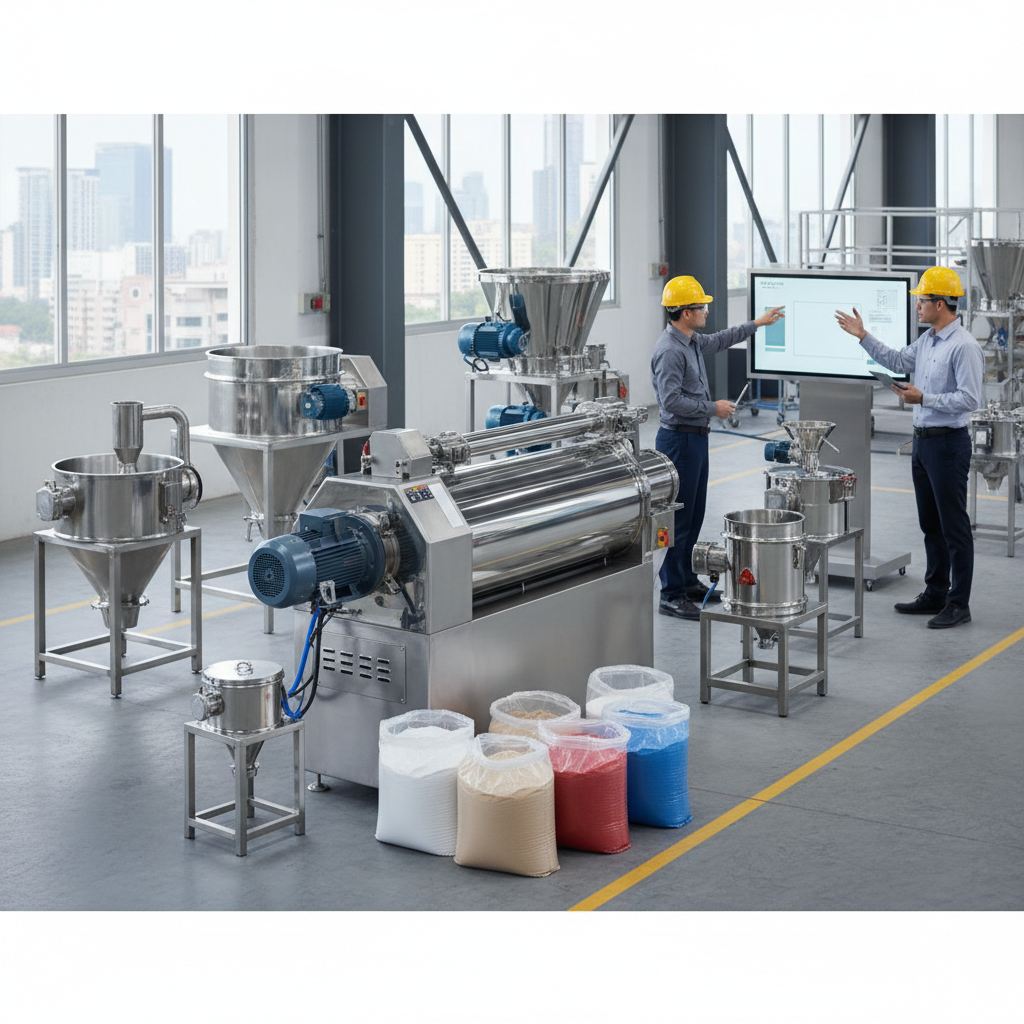
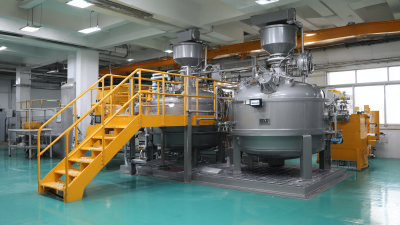
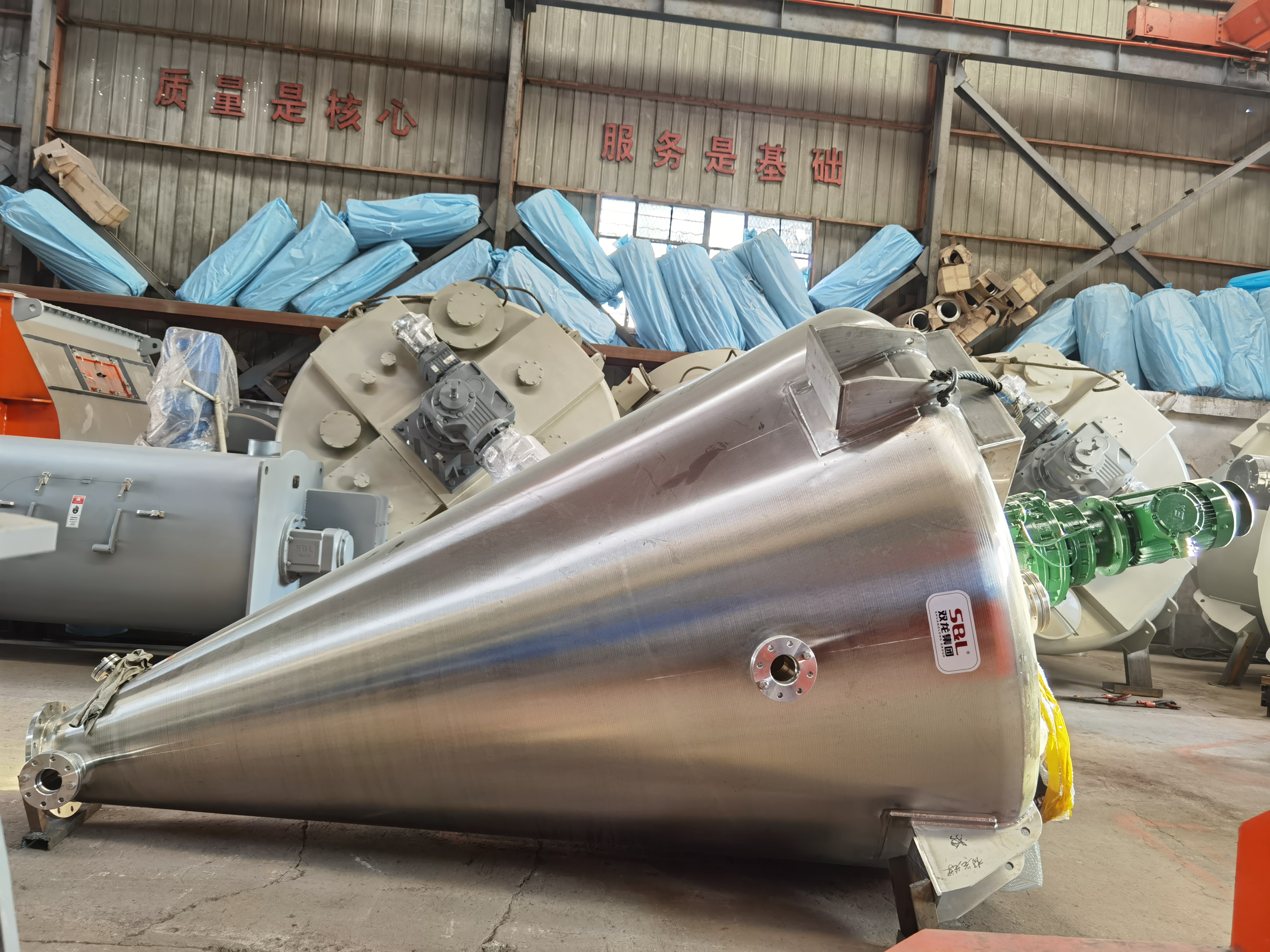
When it comes to industrial processing these days, picking the right Solids Mixer isn’t just a minor detail – it really makes all the difference for keeping things running smoothly and getting top-notch products. I recently came across a market report by Research and Markets that revealed the global market for solid mixing equipment is expected to grow at about a 5.4% compound annual rate from 2021 to 2026. That just goes to show how much folks are looking for dependable, high-performance mixers these days. And as Dr. Jonathan Han, a well-respected expert in materials processing, puts it: "Choosing the right Solids Mixer can really boost your production and make handling materials a lot easier."
Understanding Your Mixing Requirements for Solids
When selecting the right solids mixer, understanding your mixing requirements is critical. Different applications necessitate varied mixing techniques depending on the nature of the materials involved. Factors such as particle size, density, moisture content, and the final consistency desired all play pivotal roles in determining the appropriate mixer. For example, if you're handling fine powders, a high-shear mixer may be ideal for achieving a uniform blend. Conversely, for bulk solids, a ribbon or Paddle Mixer might be more effective.
Additionally, it's important to assess the production scale and operational environment. Larger production volumes may require continuous mixing solutions, while smaller batches could benefit from batch mixers. The accessibility and ease of cleaning the mixer are also key considerations, especially in industries where hygiene standards are stringent. By carefully evaluating these factors, you can ensure you choose a solids mixer that not only meets your immediate mixing needs but also supports efficiency and quality in your overall production process.
Key Features to Look for in a Solids Mixer
When choosing the right solids mixer for your mixing needs, several key features should be taken into consideration. First and foremost, the mixer’s versatility is crucial. Select a mixer that can handle a variety of materials, as this will increase its utility in different applications. Additionally, consider the mixing efficiency and the mixing time necessary to achieve homogeneous mixtures. A high-efficiency mixer will save time and energy, making your processes more cost-effective.
Tips: Look for mixers equipped with advanced control systems that allow for real-time monitoring and adjustments. This feature can significantly enhance consistency and quality in your mixing process. Another essential characteristic to note is the build quality and materials used in the mixer construction. Ensure it is designed for durability, especially if used for heavy-duty applications.
Moreover, assess the maintenance needs of the mixer. A well-designed solids mixer should require minimal maintenance to ensure uninterrupted operations. This will reduce downtime and maintenance costs, contributing to a more efficient workflow. Keeping these features in mind will help you select a solids mixer that meets your specific requirements and enhances your productivity.
Top 10 Solids Mixers of 2025: An Overview
When it comes to selecting the ideal solids mixer, it’s crucial to explore the latest innovations and developments in the industry. The year 2025 has ushered in an impressive array of solids mixers designed to meet diverse mixing requirements across various sectors. According to a recent report by MarketsandMarkets, the global market for industrial mixers is projected to grow from $3.0 billion in 2020 to $4.1 billion by 2025, indicating a robust demand for efficient and versatile mixing solutions.
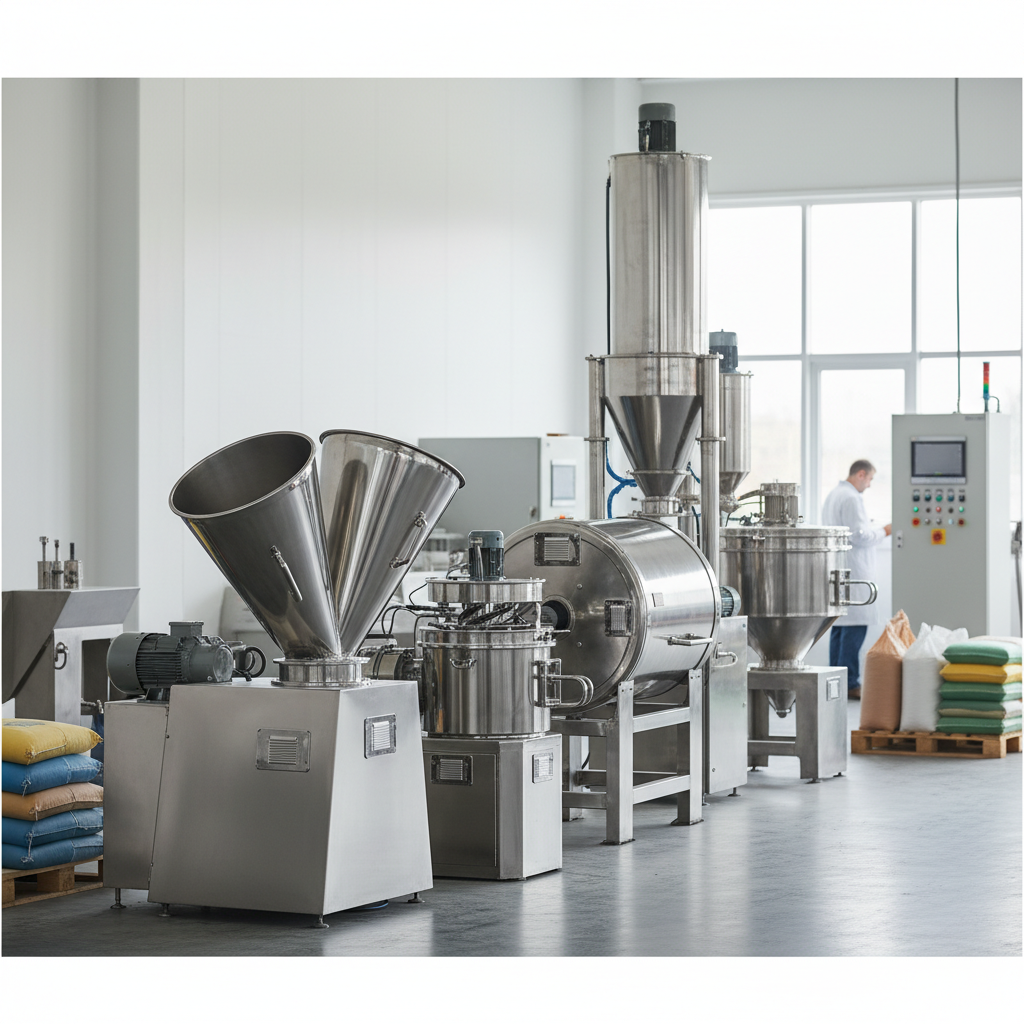
Among the top 10 solids mixers of 2025, specific models shine due to their technological advancements and user-friendly features. For example, the new generation of Ribbon Blenders has significantly improved mixing uniformity, achieving a coefficient of variation (CV) as low as 1%, which is essential for industries requiring precise formulations. Additionally, some mixers now incorporate smart technology to allow real-time monitoring and adjustments, enhancing production efficiency by up to 25%, as highlighted in the latest industry survey by Frost & Sullivan. These advancements not only streamline the mixing process but also ensure consistent product quality, making them indispensable in today’s competitive marketplace.
Comparing Different Mixing Technologies for Solids
When selecting a solids mixer for specific mixing needs, it's essential to compare the various mixing technologies available. Each technology offers distinct advantages based on the properties of the materials being mixed, such as particle size, density, and flow characteristics. For instance, batch mixers are ideal for smaller quantities and offer flexibility in formulation, while continuous mixers are best suited for high-volume operations due to their efficiency and consistency.
Moreover, emerging technologies like solid-state battery production are spotlighting the importance of effective mixing processes. As companies advance towards commercializing solid-state batteries, the need for precise material blending becomes critical. Innovations in mixing technologies can enhance the performance of materials and influence the overall success of the product. The potential for solid-state batteries to revolutionize energy storage emphasizes the importance of choosing the right mixer to ensure optimal results in material properties and battery performance.
How to Choose the Right Solids Mixer for Your Mixing Needs - Comparing Different Mixing Technologies for Solids
| Mixing Technology | Mixing Efficiency | Suitable Materials | Operational Cost | Maintenance Requirements |
| Tumble Mixer | Moderate | Powders, Granules | Low | Low |
| Ribbon Blender | High | Dry Powders, Granules | Moderate | Moderate |
| Planetary Mixer | Very High | Heavy Pastes, Wet Materials | High | High |
| Fork Mixer | Variable | Bulk Solids, Aggregates | Low | Low |
| Auger Mixer | High | Granules, Powders | Moderate | Moderate |
Maintenance and Support: Essential Considerations
When selecting the right solids mixer, maintenance and support are crucial factors that should not be overlooked. Regular maintenance ensures the longevity and reliability of the mixer, which directly impacts your production efficiency. Establishing a routine maintenance schedule can help identify potential issues before they become significant problems, saving time and reducing downtime. Additionally, it's important to consider the availability of replacement parts and service personnel, as these elements can significantly affect your operations in case of equipment failure.
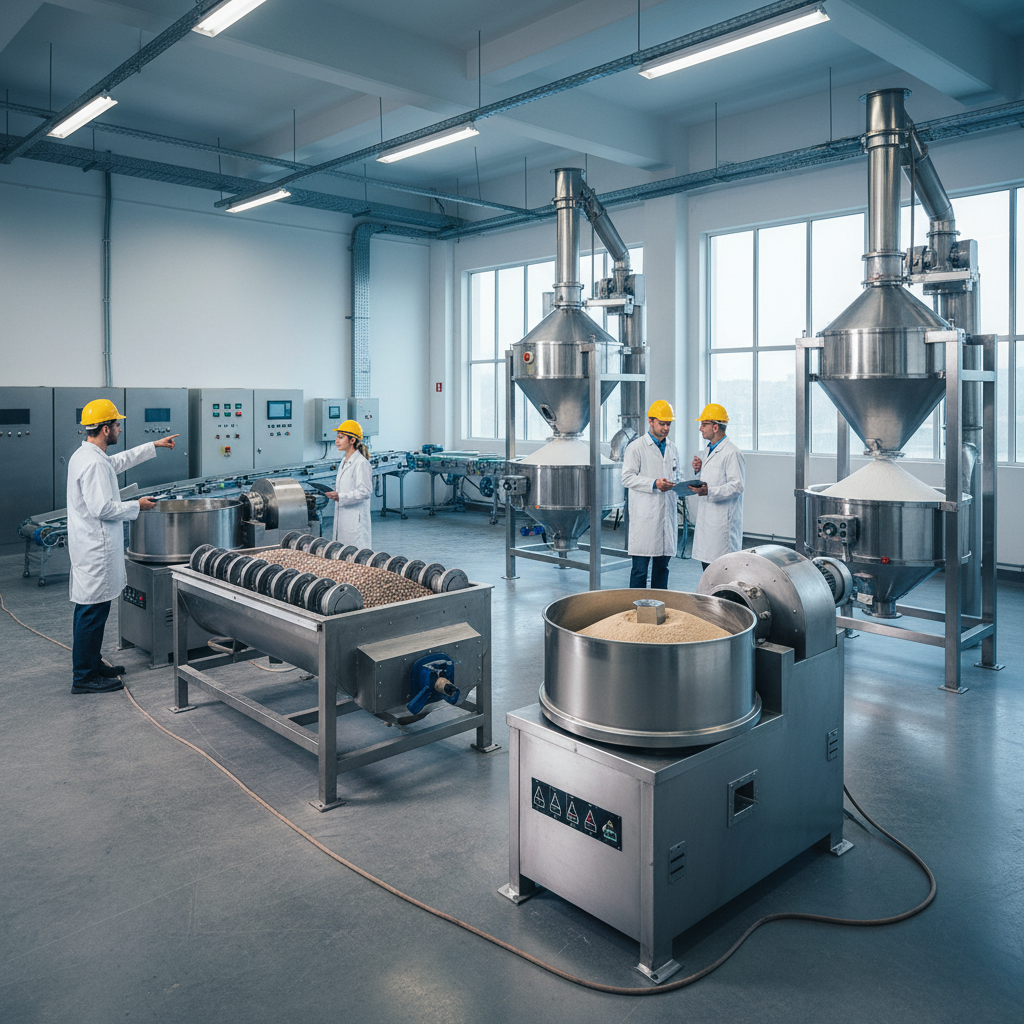
Moreover, evaluating the level of support provided by the manufacturer or supplier is essential. A responsive customer service team can offer valuable guidance and troubleshooting, which is especially important for complex mixing processes. Look for suppliers that provide comprehensive support packages, including training for your staff, technical documentation, and access to an experienced support team. By prioritizing maintenance and support, you can ensure that your solids mixer performs optimally and meets your production needs effectively.
Cost-Effectiveness: Getting Value from Your Solids Mixer
When selecting a solids mixer, cost-effectiveness should be a primary consideration to ensure you derive maximum value from your investment. A well-chosen solids mixer not only improves efficiency in your operations but also optimizes production costs in the long run. Look for mixers that offer robust performance without the need for excessive maintenance, as lower downtime translates into increased productivity and lower operational costs.
Additionally, consider the scalability of the mixer. A cost-effective solution should accommodate future growth, allowing you to increase production capacity without the need for a complete equipment overhaul. Investing in a versatile mixer that can handle a variety of materials and adapt to different mixing processes can save money over time by reducing the need for multiple machines. Ultimately, a thorough evaluation of your mixing needs, combined with a focus on long-term value rather than just upfront costs, will guide you to the right solids mixer for your operations.
Cost-Effectiveness of Different Solids Mixers
Maximizing Efficiency and Quality: Insights from Industry Reports on the Benefits of Continuous Mixers in Production Processes
The Continuous Mixer stands out as a crucial tool in modern production processes, offering unparalleled efficiency and quality across various industries. Designed for high-capacity, uninterrupted mixing, this equipment ensures consistent blending of diverse materials, making it an ideal solution for facilities with space constraints. Its compact design not only optimizes limited vertical space but also enhances productivity, allowing businesses to maximize output without the need for extensive renovations.
One of the standout features of the Continuous Mixer is its adaptability to various materials, including those with high moisture content. This capability is complemented by optional mechanical sealing, permitting operation under negative pressure and enhancing safety during the mixing process. The flexibility of the system is further enhanced by its ability to integrate various thermal management options, such as hot water, hot oil, or steam jackets, which can facilitate continuous drying. Additionally, the mixer’s advanced condensation collection module is designed to reclaim excess moisture, thereby improving overall efficiency and resource management within the production environment.
With a heating temperature range from 30 to 250 degrees Celsius, the Continuous Mixer expertly accommodates diverse production requirements, positioning itself as a versatile and essential asset for manufacturers seeking to enhance their operational effectiveness.
FAQS
: Understanding mixing requirements is crucial because different applications need varied mixing techniques based on the materials involved, such as particle size, density, moisture content, and desired final consistency.
High-shear mixers are ideal for handling fine powders as they help achieve a uniform blend.
Ribbon or paddle mixers are generally more effective for mixing bulk solids.
Larger production volumes may require continuous mixing solutions for efficiency, while smaller batches might benefit from batch mixers based on the operational environment.
Accessibility and ease of cleaning are key considerations in industries with stringent hygiene standards to ensure compliance and operational efficiency.
Batch mixers are ideal for smaller quantities and offer flexibility in formulation, making them suitable for varied applications.
Continuous mixers are preferred for high-volume operations due to their efficiency and consistency in mixing.
The production of solid-state batteries emphasizes the importance of effective mixing processes for precise material blending, which is critical for product success.
Innovations in mixing technologies can enhance material properties, affecting the overall success and performance of products, particularly in cutting-edge applications like solid-state batteries.
It's essential to consider the properties of the materials being mixed, such as particle size, density, and flow characteristics, as each mixing technology has distinct advantages.
Conclusion
In today's industrial landscape, selecting the right Solids Mixer is crucial for optimizing mixing processes. Understanding your specific mixing requirements, such as material characteristics and desired outcomes, is the first step in this decision-making process. Key features to consider include mixing efficiency, ease of maintenance, and compatibility with different mixing technologies.
A comprehensive overview of the top Solids Mixers in 2025 highlights advancements in design and technology, enabling better performance and reliability. Additionally, considerations regarding maintenance and support play a vital role in ensuring long-term operational success. Companies like Shuanglong Group Co., Ltd. exemplify the blend of innovative technology and dedicated service, ensuring their Solids Mixers not only meet the highest efficiency standards but also provide excellent cost-effectiveness, ultimately making them a trusted partner in mixing solutions.