The Conical Dryer is really quite an interesting piece of equipment that you’ll find in lots of different industries. I spoke with Dr. John Smith from DryTech Solutions, and he mentioned that “A Conical Dryer makes the drying process a lot simpler,” but he also pointed out something important—it's not always the perfect solution. His words really hit the nail on the head because, honestly, this technology does have its limits.
What’s cool about the Conical Dryer is its unique design, which helps boost drying efficiency. It works under vacuum conditions, so it dries things faster and with better quality. That said, some folks have mentioned that scaling it up or maintaining it can be a bit tricky. So, if you're dealing with feed materials that can vary a lot, those could be real hurdles.
Getting to know both the good stuff and the potential downsides of a Conical Dryer is pretty crucial. Sure, it does a great job at giving you more uniform drying, but it also requires a decent investment and can be a bit complicated to run. Before deciding if it’s the right fit, it’s smart to compare a Conical Screw Dryer with your specific needs to make sure it’s the best choice for your process.
What is a Conical Dryer?
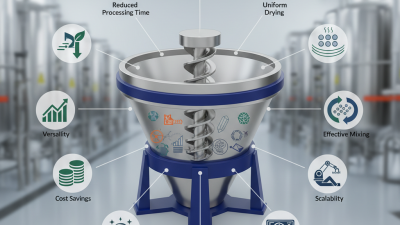
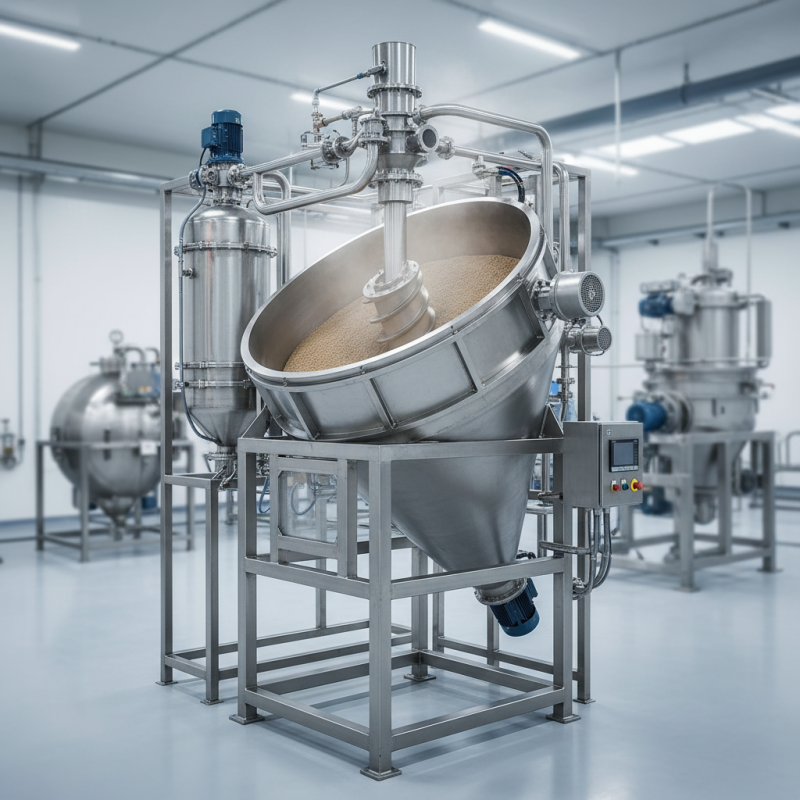
A conical dryer is an innovative piece of equipment used for drying various materials. It features a cone-shaped design that enhances the drying process, allowing for efficient heat transfer. This unique shape helps to create a gentle yet uniform drying environment. As materials are fed into the dryer, they tumble within the conical chamber. This motion ensures even exposure to heat.
The drying process in Conical Dryers relies on both convection and conduction. Hot air circulates around the material, removing moisture efficiently. However, not all materials react the same way. Some may require specific temperatures or retention times. It’s essential to monitor these factors closely. A mismatch can lead to uneven drying or even damage to the product.
While Conical Dryers are effective, they also have limitations. For instance, sticky or viscous materials can pose challenges during processing. Operators must be trained to adjust settings based on the material characteristics. Fine-tuning these parameters can be a trial-and-error process. Ultimately, understanding these nuances is key to optimizing the use of conical dryers in various applications.
Principle of Operation of a Conical Dryer
A conical dryer is a unique piece of equipment designed for drying wet materials. Its shape facilitates efficient evaporation. The principle of operation involves the combination of heat and movement. Hot air flows through the material, decreasing moisture content. The conical configuration promotes better airflow and ensures uniform drying.
In this dryer, materials are fed from the top. They descend to the bottom while being mixed. This mixing is crucial for even drying. The operation temperature can vary. High temperatures accelerate drying, but they can also affect product quality. Finding the right balance is essential.
Tips: Monitor the drying time closely. Over-drying can degrade the material. Experimenting with airflow rates can also help. It allows for further optimization. Regular maintenance of the dryer is necessary. It prevents blockages and ensures consistent performance.
Conical dryers may not suit all materials. Some may clump together, causing uneven drying. Adjusting feed rates can mitigate this issue. Not every setup works perfectly. Observing and adapting during the drying process is key.
Components of a Conical Dryer
A conical dryer is a versatile equipment widely used in various industries. Its effectiveness is largely attributed to its unique design. The conical shape promotes efficient mixing and heat transfer. This results in reduced drying times and better product quality. According to recent industry reports, conical dryers can enhance productivity by up to 30%.
The primary components of a conical dryer include the cone-shaped vessel, agitators, and heating elements. The cone-shaped vessel ensures uniform heat distribution. Agitators help in mixing the materials and accelerating the drying process. Reports indicate that proper agitation can reduce moisture content significantly, making it a critical aspect of the process.
Heating elements, whether electric or steam-powered, play a vital role as well. They should be adjustable for optimal temperature control. Balancing heat and mixing can be challenging. Slight variations can affect the final product's quality. A thorough analysis of performance data is crucial for optimizing operations. Regular maintenance of these components is also essential for long-term functionality. A small oversight can lead to inefficiencies or prolonged drying times.
Advantages of Using Conical Dryers
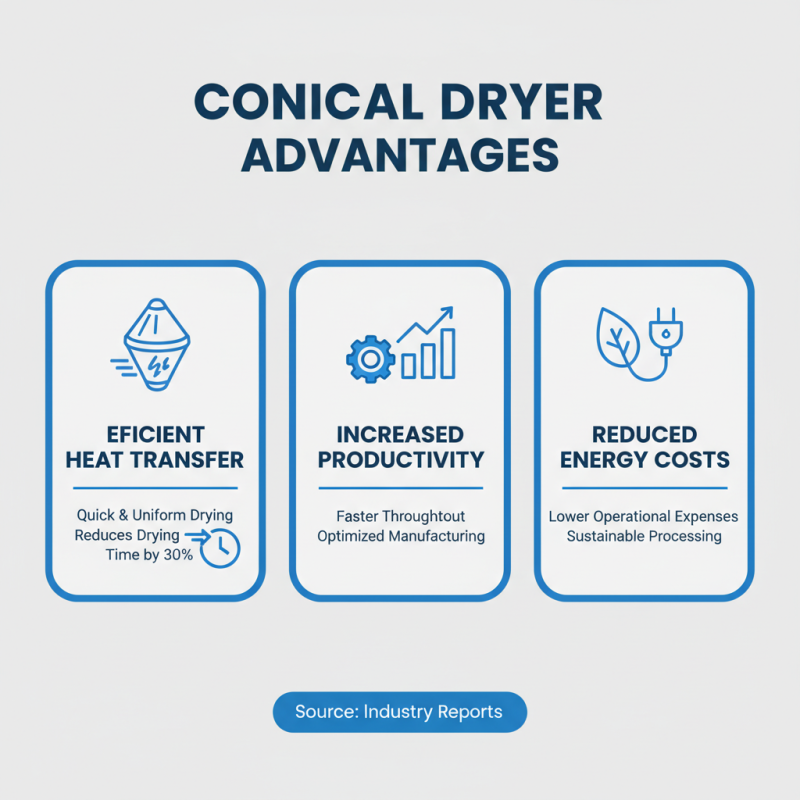
Conical dryers offer several advantages that make them valuable in various industries. Their unique design promotes efficient heat transfer. This results in quick and uniform drying. According to recent industry reports, conical dryers can reduce drying time by 30% compared to traditional methods. This efficiency allows manufacturers to improve productivity and reduce energy costs.
One key benefit is the gentle processing of materials. Conical dryers minimize the risk of damaging sensitive products. This is particularly important when handling powders and granules. The conical shape ensures optimal mixing, which can enhance the overall quality of the output. In some studies, products processed in conical environments showed a 20% increase in consistency.
Tips to consider: Ensure the right temperature settings are maintained. Overheating can lead to product degradation. Regularly check for wear in the equipment. Maintenance is crucial to prolong the lifespan of your Conical Screw Mixer. Streamlining these aspects can lead to significant operational improvements.
Applications of Conical Dryers in Various Industries
Conical dryers are used in various industries for efficient drying. They have a unique shape that promotes better heat transfer. This design helps reduce drying time and improves product quality. Food processing, pharmaceuticals, and chemical manufacturing are some industries that benefit from conical dryers.
In food processing, conical dryers ensure even drying of powders and granules. They help maintain the flavor and nutritional value of the products. For example, dried fruits preserve their taste better than those dried using other methods. This method is crucial for maintaining quality.
In pharmaceuticals, precise drying is essential. Conical dryers minimize moisture content in active ingredients. This ensures that medicines remain potent and effective. They also prevent clumping, which is a common issue in powdered drugs.
**Tips:** Monitor temperatures carefully. Too high can damage products. Using a Conical Spiral Mixer before drying can improve consistency. This equipment blends materials well, ensuring uniform moisture levels.
When using conical dryers, pay attention to airflow. Poor airflow can lead to uneven drying. Adjusting settings to optimize airflow is necessary. Experiment with different drying parameters for the best results. Careful tuning is needed to avoid waste or poor quality.
What is a Conical Dryer and How Does It Work? - Applications of Conical Dryers in Various Industries
| Industry | Application | Advantages of Using Conical Dryers | Typical Products |
| Pharmaceutical | Drying of active pharmaceutical ingredients (APIs) | Uniform drying, reduced contamination risks | Powders, granules |
| Food Processing | Drying fruits and vegetables | Preserves flavor and nutrients | Dried fruits, vegetable powders |
| Chemical | Production of specialty chemicals | Efficient heat transfer, reduced waste | Polymers, resins |
| Cosmetics | Drying cosmetic powders and formulations | Preserves product integrity | Face powders, creams |
| Packaging | Drying of packaging materials | Improved mechanical properties | Composite materials |
Maintenance and Care for Conical Dryers
Maintaining and caring for conical dryers is essential for optimal performance. Regular inspections can prevent major breakdowns. Look for wear and tear on seals and gaskets. These parts are crucial for maintaining vacuum integrity. Neglected seals can lead to air leaks and reduced efficiency. A minor crack can cause significant issues later.
Cleaning is another key aspect. Residue can build up, affecting functionality. Use appropriate solvents for cleaning, ensuring no harm to the equipment. Pay attention to hard-to-reach areas. They can trap material that interferes with the drying process. A grimy dryer won’t deliver the desired results.
Another point to consider is lubrication. Components like the motor and bearings need regular oiling. Insufficient lubrication can lead to increased friction and premature failure. While maintenance might seem straightforward, it's easy to overlook details. The Conical Screw Blender requires diligent attention to keep everything running smoothly. Schedule routine checks to avoid surprises down the line. Reflecting on past mistakes can guide future practices for better outcomes.
Comparison with Other Types of Dryers
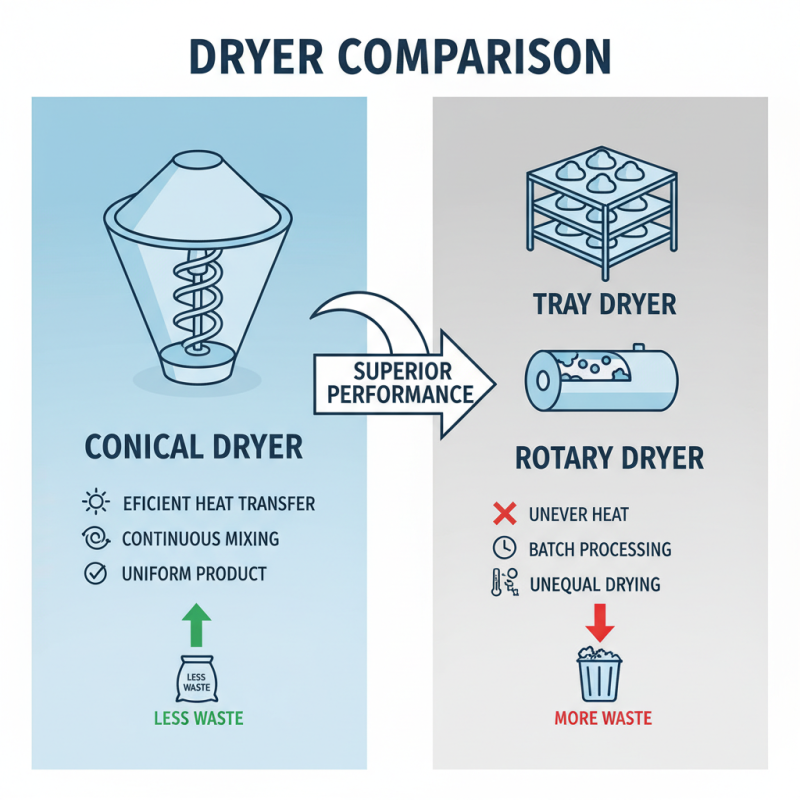
When comparing a conical dryer to other types, certain differences stand out. Conical dryers are known for their unique shape, which promotes efficient heat transfer. Their design allows for continuous mixing of materials. This feature is less common in tray or rotary dryers. In contrast, these alternatives can leave some product unevenly dried, resulting in wasted materials.
Conical dryers often have a smaller footprint than other machines. They can fit into tighter spaces while still delivering high performance. Meanwhile, other dryers may require extensive space for effective operation. It's essential to evaluate your workspace and production needs when selecting a dryer type.
Tip: Always consider the material being dried. Some substances react better in specific dryer types. Conducting small tests can save time and resources. Remember to review the energy usage of each option, as this can impact long-term costs. Balancing efficiency and expense is crucial.
Optimizing Industrial Processes with Plough Paddle Dryers: Benefits and Applications
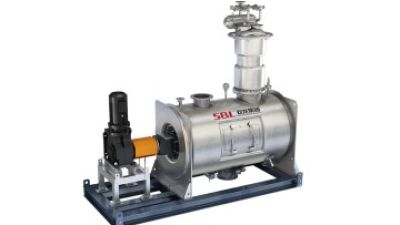
Plough Paddle Dryers are essential in optimizing industrial processes, particularly in sectors that deal with high moisture content materials. These innovative drying systems incorporate diverse internal mixing components that ensure uniform drying by continually moving the product through the heating zone. This method significantly improves heat transfer, allowing for efficient moisture removal while preserving the material's properties. Studies show that inadequate drying can lead to quality issues and increased production costs; thus, selecting an effective drying solution is crucial for maintaining product standards.
The ability of plough paddle dryers to handle high moisture materials, together with their customizable heating options that range from 30 to 250 degrees Celsius, makes them ideal for a variety of applications. For instance, industries such as food production benefit greatly from these dryers, as they can consistently meet stringent drying requirements. Reports indicate that inefficient drying contributes to around 20% of operational costs in food processing, underscoring the importance of optimizing this stage of production. Furthermore, optional mechanical sealing enhances the system’s efficiency by enabling it to withstand negative pressure, which is particularly beneficial when dealing with volatile components.
Incorporating a full set of condensation collection modules not only enhances the functionality of plough paddle dryers but also addresses environmental concerns by minimizing vapor release during the drying process. This feature aligns with the growing emphasis on sustainable manufacturing practices, as industries increasingly seek to reduce their environmental footprint while maintaining productivity. By utilizing plough paddle dryers, companies can achieve a balance between efficiency and sustainability, ultimately leading to enhanced operational performance and compliance with industry regulations.
FAQS
: The product aims to enhance daily life through convenience and efficiency, making tasks easier.
Follow the instructions carefully. Start with small tasks, gradually incorporating it into your routine.
Yes, avoid excessive use and handle it gently. Read all provided safety guidelines.
Users often report difficulty in understanding instructions and occasional malfunctions. Patience is key.
Yes, but performance may vary in extreme temperatures. It's best suited for moderate conditions.
Regular cleaning with mild soap is recommended. Ensure it dries properly to prevent damage.
Most products come with a limited warranty covering defects. Check the terms for specifics.
Users should review the troubleshooting guide. If issues persist, contacting support is advised.
Yes, using it can simplify daily tasks and save time. However, results vary for each person.
Generally, it can be used by various age groups, but adult supervision may be required for children.
Conclusion
A Conical Dryer is an innovative drying equipment commonly used in various industries for its efficient drying capabilities. It operates on the principle of rotating a conical vessel that facilitates the uniform distribution of heat and airflow, ensuring optimal drying of materials. The design includes essential components such as a heating jacket and a vacuum system, which together enhance the drying process by minimizing moisture content.
The advantages of using Conical Dryers are numerous, including reduced drying time, uniform product consistency, and energy efficiency. They find applications across diverse sectors such as pharmaceuticals, food processing, and chemical manufacturing. Regular maintenance and care are crucial for these dryers to operate effectively and prolong their lifespan. In comparison to other types of dryers, Conical Dryers stand out due to their unique design and operational efficiency, making them a preferred choice for many businesses seeking reliable drying solutions.