Inquiry
Form loading...
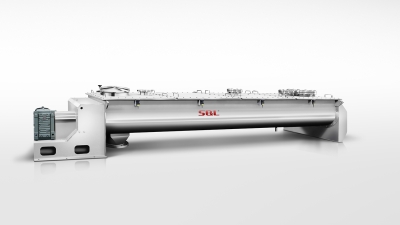
 In today’s fast-moving world of manufacturing, you really can’t underestimate how important good mixing solutions are. The Horizontal Mixer has become a real staple across various industries — it’s a game-changer when it comes to boosting efficiency, thanks to its smart design and reliable operation. According to a report from MarketsandMarkets, the global mixer market is expected to hit around $8.5 billion by 2025, which shows just how much companies are craving better mixing tech.
Shuanglong Group Co., Ltd. is right there in the thick of things, leading the charge with equipment that combines top-notch performance with dependability. With over 150 experts working in our Shanghai plant, we’re committed to blending the latest technology with hands-on support, aiming to be the go-to partner for all your mixing needs.
In this blog, I’ll be diving into all the great advantages of Horizontal Mixers and how they’re being used across different sectors. Basically, if you’re thinking about upgrading your equipment, this could seriously help boost your productivity and keep things running smoothly.
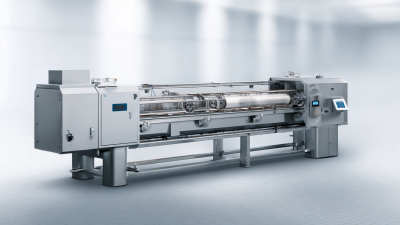
Horizontal mixers are pretty essential in a bunch of industries—they really help with blending materials efficiently to keep up with production needs. Most of these mixers have a horizontal mixing chamber, which, honestly, does a better job of mixing stuff evenly and thoroughly compared to other types. Because of that improved mixing, you don’t have to wait as long to get everything blended; it speeds things up and helps keep the quality consistent. It’s a real game-changer when you’re trying to boost your throughput.
When you're choosing a horizontal mixer, it’s good to think about how much capacity you need. You want something that matches the volume of materials you’re working with and also the speed of mixing that makes sense for your process. Oh, and don’t forget to check if it comes with the right seals and materials—especially if your products are sensitive or prone to spoilage. That little detail can make a big difference.
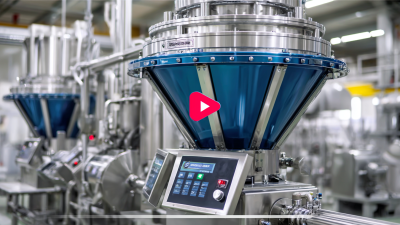
Another cool thing to keep in mind is how well these mixers can be integrated with automated systems. Automating the mix can cut down on labor costs and make sure everything’s super accurate. Look out for models that let you program settings—they help optimize the whole process, so your final product stays top-notch and you get more output without sacrificing quality.
| Horizontal Mixer Type | Mixing Capacity (Liters) | Power Consumption (kW) | Mixing Time (Minutes) | Application Area | Key Characteristics |
|---|---|---|---|---|---|
| Batch Mixer | 500 | 15 | 5 | Food Processing | High Efficiency, Adjustable Speed |
| Continuous Mixer | 1000 | 20 | 3 | Chemical Industry | Consistent Mixing, High Throughput |
| Ribbon Mixer | 750 | 18 | 4 | Building Materials | Low Maintenance, Versatile Applications |
| Planetary Mixer | 300 | 10 | 6 | Cosmetics | Uniform Mixing, High Shear Forces |
| Double Shaft Mixer | 900 | 25 | 4 | Pharmaceuticals | High Mixing Precision, Great for Powders |
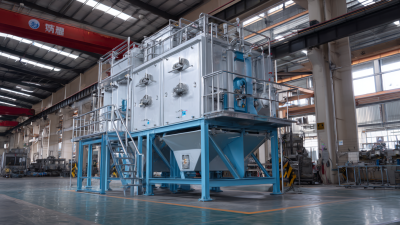
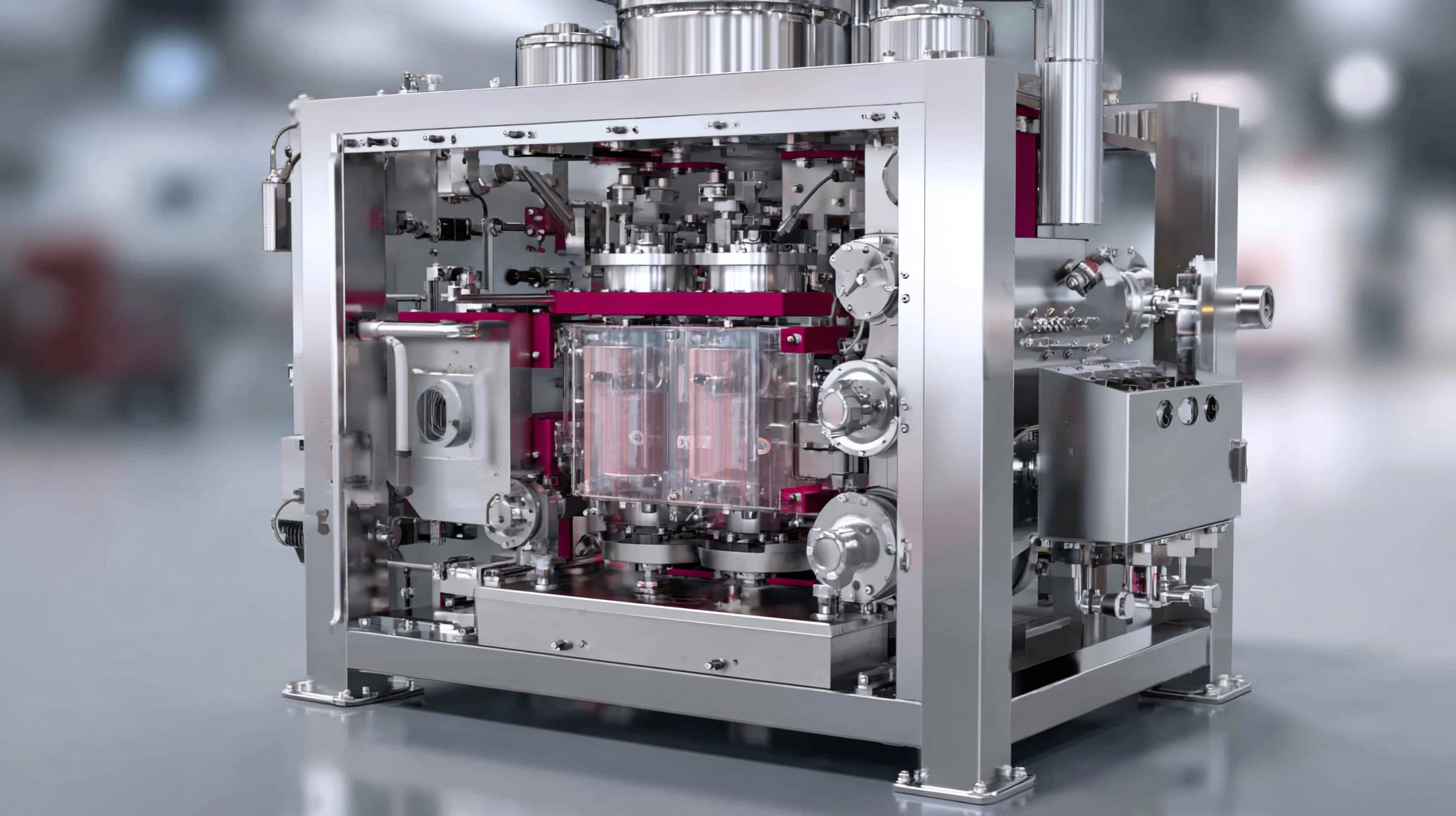
In the contemporary manufacturing landscape, the pursuit of efficiency has led industries to adopt advanced mixing technologies, with continuous mixers taking center stage. These sophisticated machines are engineered for high-capacity, continuous blending of diverse materials, revolutionizing the way manufacturers approach their mixing processes. According to a report by Freedonia Group, the demand for advanced mixing systems is projected to grow significantly, driven by the need for consistent product quality and operational efficiency. Continuous mixers, with their innovative design and functionality, play a pivotal role in fulfilling these demands.
One of the key advantages of continuous mixers is their ability to optimize space in facilities with limited height, making them a cost-effective solution for manufacturers. They feature a diverse range of internal mixing components, ensuring uniform blending and accommodating high moisture materials. Additionally, the optional mechanical sealing and capability of withstanding negative pressure further enhance their performance reliability. A recent study from Research and Markets highlights that incorporating technologies such as heating and cooling jackets into continuous mixers not only enhances their versatility but also contributes to energy savings—an essential factor for manufacturers looking to reduce operational costs while maintaining high production rates.
Furthermore, continuous mixers can be equipped with a full set of condensation collection modules, which facilitate the efficient processing of materials that require temperature control ranging from 30 to 250 degrees Celsius. This feature is particularly beneficial for industries dealing with heat-sensitive materials or those requiring precision in temperature management. The integration of continuous mixers into production lines not only streamlines processes but also aligns with the evolving standards of modern manufacturing, where efficiency and adaptability are paramount.
: Horizontal mixers offer superior blending capabilities by ensuring a uniform mixture without unmixed spots, thanks to a powerful agitator that traverses the entire batch, which results in more efficient use of time and resources.
Horizontal mixers can process up to 30% more volume in less time when compared to batch mixers used in small-scale operations, optimizing workflow in large-scale production settings.
Horizontal mixers have lower energy consumption profiles, contributing to cost savings and sustainability by helping manufacturers improve production efficiency and reduce their environmental footprint.
It's essential to evaluate production needs, optimize mixer layout for workflow efficiency, and integrate automated controls to streamline the mixing process.
Regular maintenance ensures sustained performance, prevents potential malfunctions, optimizes production efficiency, and extends the lifespan of the mixer, yielding a better return on investment.
Investing in technology that tracks mixing speed and temperature enables companies to dynamically fine-tune processes, allowing for quick adjustments to maintain efficiency and respond to market needs.
Companies, such as a food processing firm, have reported significant improvements, including a 30% increase in mixing efficiency, reduced blending time, and enhanced product uniformity.
Selecting the right mixer size based on production volume is critical; an undersized mixer may not handle higher workloads effectively, leading to inefficiencies and potential delays in production.
Horizontal mixers are becoming increasingly invaluable in various industries, particularly food processing and pharmaceuticals, due to their ability to streamline operations and improve product consistency.
The global industrial mixer market is projected to reach $8.22 billion by 2025, with horizontal mixers expected to take a significant share due to their operational advantages.