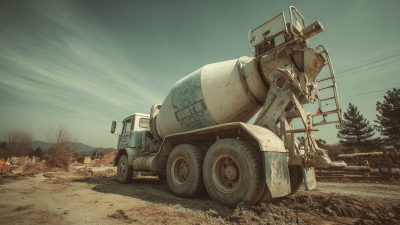
Starting a construction project? Picking the right tools is a big deal, and at the top of the list is a dependable Cement Mixer. I came across a report from the International Cement Association, and it’s pretty exciting — they’re predicting the global cement mixer market will grow a lot, possibly hitting $1.2 billion by 2025. That kind of growth really shows how important it is to know what features to look for when choosing a mixer. After all, the right equipment can seriously make or break how smoothly your project goes and what kind of results you get.
John Roberts, an industry expert over at Construction Equipment Magazine, puts it nicely: “A good-quality cement mixer not only saves you time but also helps ensure your mix is consistent — which is super important for the durability of whatever you're building.” His point hits home — the right mixer makes a real difference. As construction challenges get more complex, folks in the business are advised to focus on features that boost ease of use, last longer, and improve efficiency. Anyway, in this guide, I’ll walk you through the top five must-have features that can help you keep your project on track and take your building game to the next level.
Key Performance Metrics for Choosing a Cement Mixer
When selecting a cement mixer for your project, understanding key performance metrics is crucial to ensure efficiency and durability. One of the top metrics to consider is the mixing capacity, measured in cubic feet. According to the American Concrete Institute, mixers with a capacity of 2 to 3 cubic feet are ideal for smaller projects, while larger operations may require models that can handle up to 14 cubic feet to accommodate significant batch sizes efficiently. This distinction helps avoid overloading and ensures a consistent mix, a fundamental factor in producing high-quality concrete.
Another vital performance metric is the drum speed, typically characterized by revolutions per minute (RPM). Industry studies indicate that ideal drum speeds range from 15 to 25 RPM. This speed ensures a thorough blend of aggregates, cement, and water, resulting in a homogenous mix. A study published in the Journal of Construction Engineering and Management found that optimum mixing times directly correlate with the strength of the cured concrete, emphasizing that proper drum performance not only enhances efficiency but also impacts the final product's quality.
Lastly, consider the power source of the mixer. Gas-powered and electric models each have their strengths, but reports from the National Ready Mixed Concrete Association suggest that electric models tend to be more consistent and easier to maintain, making them suitable for indoor or residential work. Understanding these metrics can significantly influence the effectiveness of your concrete mixing process, ultimately contributing to the success of your project.
Durability and Build Quality: Factors to Consider
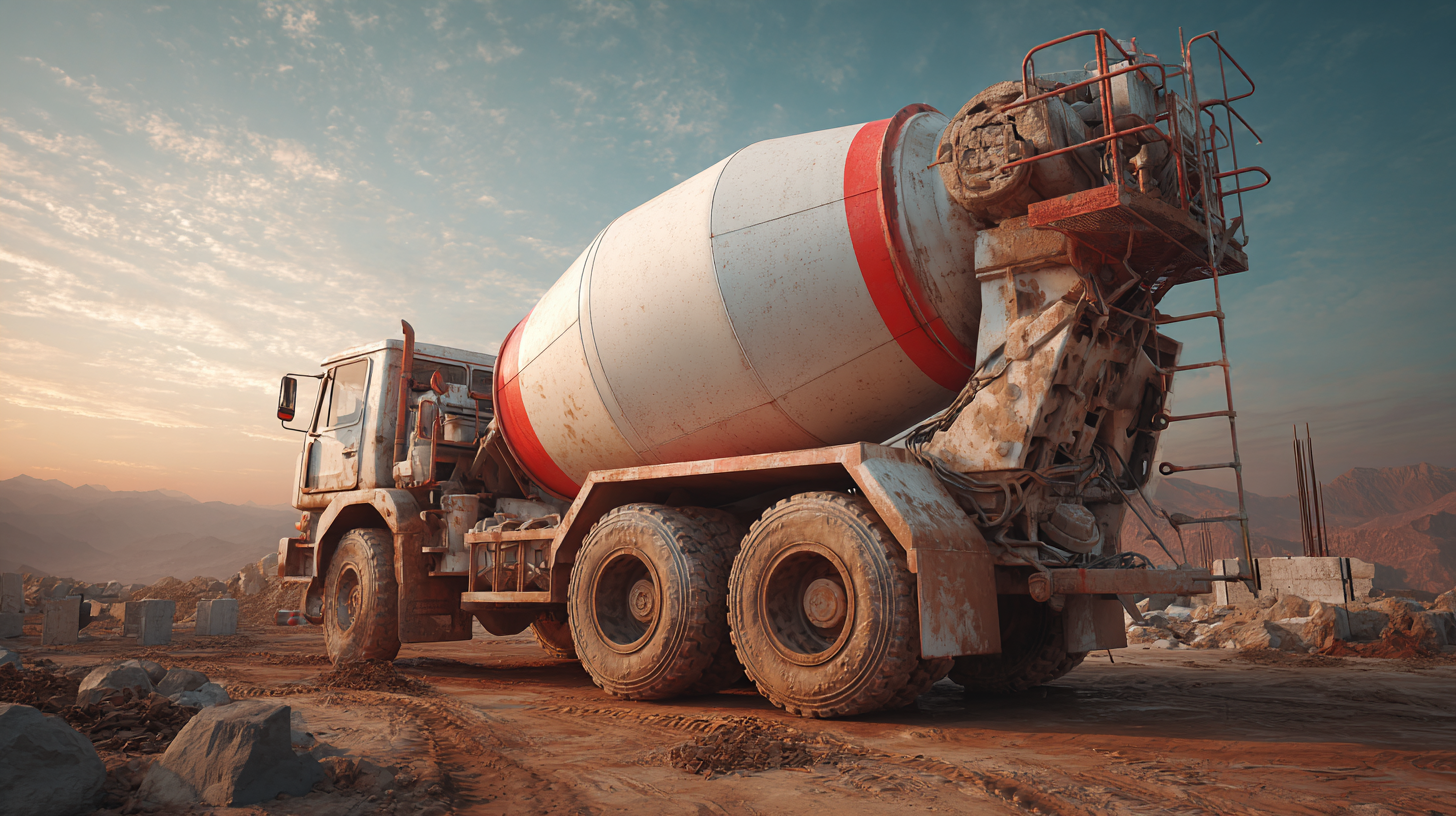 When selecting a cement mixer for your project, durability and build quality are paramount considerations that can significantly impact both performance and longevity. According to a report from the American Concrete Institute, a well-constructed mixer can last up to 10 years with proper maintenance, making initial investment choices critical. Opting for mixers with high-grade steel frames, reinforced drum construction, and weather-resistant finishes can enhance durability. These features can help withstand the wear and tear associated with mixing aggregates and cement, ensuring that your equipment remains reliable throughout the project.
Moreover, the operational efficiency of a cement mixer is often tied to its build quality. For instance, mixers designed with balance and stability provide smoother operation, minimizing the risk of breakdowns during crucial phases. Research from the National Ready Mixed Concrete Association indicates that well-built mixers can improve mixing uniformity by up to 30%, directly affecting the quality of the final product. Consequently, prioritizing durability in your mixer selection not only safeguards your investment but also enhances overall productivity on the job site.
Types of Mixers: Which One Suits Your Project Needs?
When considering a cement mixer for your project, it is essential to understand the various types available and how they can meet your specific needs. The most common options include drum mixers, pan mixers, and Continuous Mixers. Drum mixers, often used for small to medium-sized jobs, have a rotating drum that mixes the materials, making them ideal for home renovations or small construction sites. Their simplicity and ease of use make them a popular choice for DIY enthusiasts.
On the other hand, pan mixers are designed for larger projects requiring higher capacity and consistent mixtures. They feature a flat pan and vertical blades, allowing for thorough mixing, which is beneficial when working with more complex formulations or larger quantities of cement. Continuous mixers, while less common for residential projects, excel in high-demand environments where large volumes of concrete are needed without interruption. Understanding these distinctions will help you choose the right mixer that aligns with the scale and demands of your project, ensuring optimal results and efficiency.
Top 5 Essential Features to Look for in a Cement Mixer
This chart illustrates the top 5 essential features to consider when choosing a cement mixer for your project, highlighting various important attributes such as drum capacity, power, weight, mixing speed, and price.
Mobility and Size: Ensuring Easy Transportation and Storage
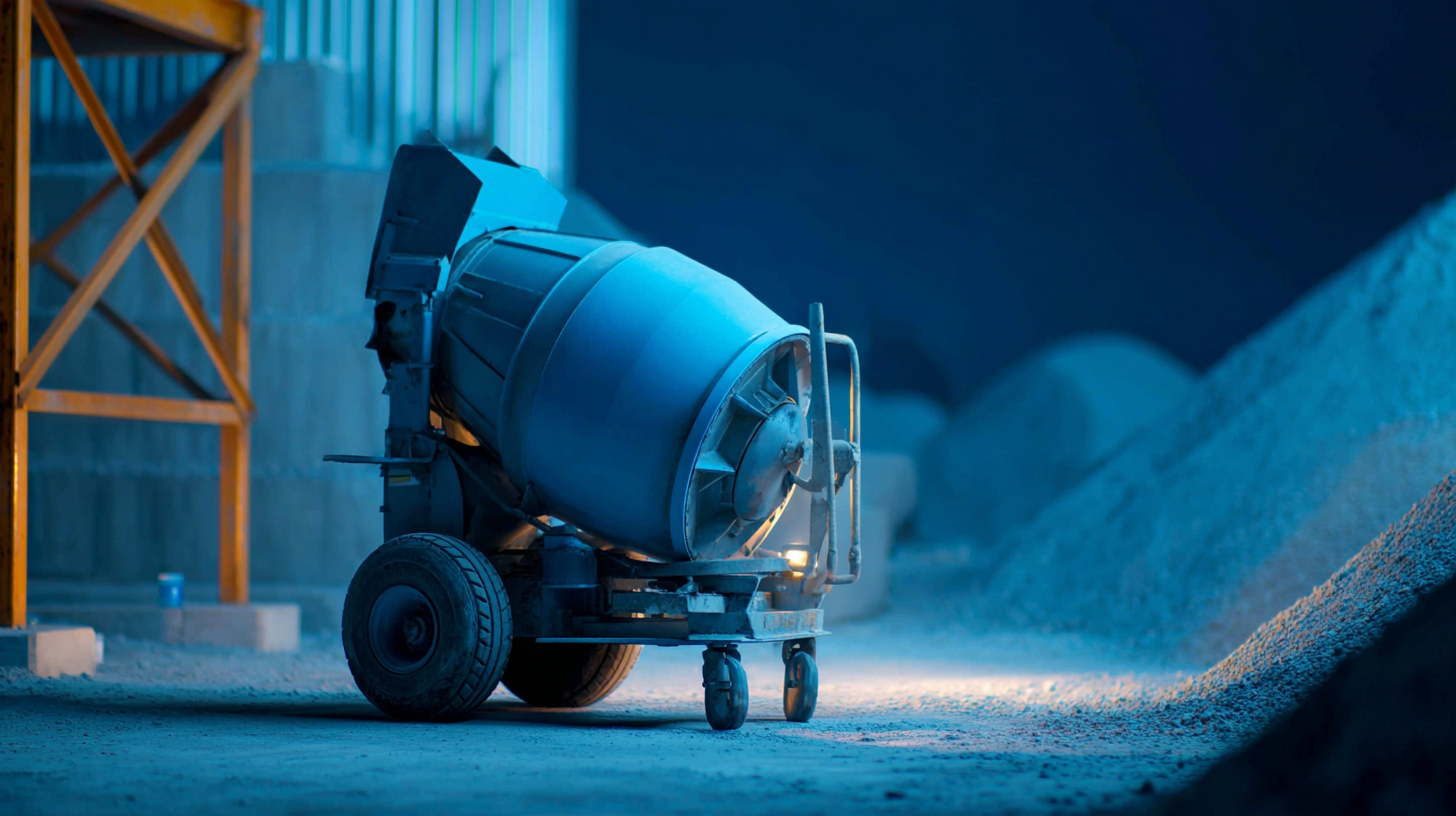
When selecting a cement mixer for your project, mobility and size are critical features that can significantly impact your workflow. A mixer that is easy to transport not only saves time but also enhances efficiency, especially if you need to move between different job sites. Consider mixers equipped with wheels or a lightweight construction that allows for simple maneuverability. This feature ensures you can quickly relocate your mixer to various spots, whether you're working in a small backyard or across a large construction site.
In addition to mobility, the size of your cement mixer should match the scope of your project. Compact models are ideal for smaller tasks or tight spaces, offering the advantage of easy storage when not in use. However, if you're working on larger projects that require substantial amounts of concrete, a bigger capacity mixer will be necessary. Balancing the need for a mixer that is easy to transport with one that meets your project's volumetric requirements is essential for ensuring smooth operation and effective resource management.
Top 5 Essential Features to Look for in a Cement Mixer for Your Project - Mobility and Size: Ensuring Easy Transportation and Storage
| Feature | Importance | Recommended Specifications |
| Weight | A lightweight design enhances mobility and ease of transportation. | Less than 150 lbs for easy handling. |
| Wheel Type | Durable wheels facilitate smooth transportation on various surfaces. | Pneumatic tires with strong treads. |
| Compact Design | Easier storage and maneuvering in tight spaces. | Dimensions not exceeding 3 ft in height and width. |
| Folding Features | Enhances portability by reducing size when not in use. | Folding handles and removable parts. |
| Power Source | Battery-operated mixers offer more mobility than corded options. | Rechargeable battery with minimum 2 hours runtime. |
Versatility: Features that Enhance Mixing Applications
When selecting a cement mixer, versatility is a key feature that greatly enhances its utility for various mixing applications. A mixer that accommodates different materials—such as concrete, mortar, and stucco—allows users to tackle a wider range of projects without needing multiple machines. This adaptability not only saves space but also ensures that you can efficiently switch between tasks, whether you're working on a small home improvement job or a larger construction project.
Additionally, features such as adjustable drum speeds and interchangeable mixing paddles further elevate the versatility of a cement mixer. Adjustable speeds enable users to control the mixing process, allowing for a better consistency in the final product, while different paddles can optimize mixing for specific materials or project requirements. Investing in a cement mixer with these versatile features will significantly enhance your efficiency, making it easier to achieve professional-grade results across various applications.
Safety Features: Importance of User Protection in Mixers
When selecting a cement mixer for your project, prioritizing safety features is crucial for ensuring user protection and reducing the risk of accidents. Cement mixers can be powerful machines, and without the appropriate safety mechanisms, the potential for injury increases significantly. Look for features such as emergency stop buttons, which allow users to quickly shut down the mixer in the event of an emergency, as well as protective covers that prevent accidental contact with moving parts.
Additionally, stability is an essential safety consideration. A mixer equipped with a robust frame and suitable wheels can help prevent tipping and rolling while in use. It’s also beneficial to choose a model with ergonomic handles that provide a secure grip, reducing strain on the user and ensuring better control over the machine. Incorporating these safety features not only protects the operator but also enhances overall efficiency, making your cement mixing process smoother and more reliable.
Comprehensive Guide to Choosing the Right Paddle Mixer for Mortar and Cement Applications
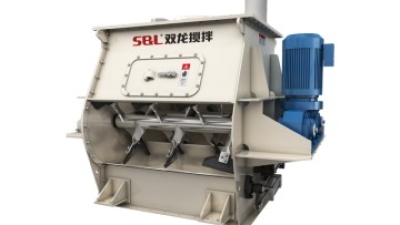
When it comes to selecting the right Paddle Mixer for mortar and cement applications, the WZ-M model stands out as a superior choice. Renowned for its advanced mixing technology, the WZ-M has captured an impressive 85% market share in China’s mortar industry. This widespread adoption speaks volumes about its efficiency and reliability in meeting the demanding needs of the building materials sector.
The innovative dual shaft design of the WZ-M operates at a consistent speed in opposing directions, utilizing specialized paddles to ensure rapid and comprehensive mixing. This unique mechanism propels materials both radially and axially, which is essential for achieving uniformity, especially when dealing with mixtures that exhibit significant variations in bulk density or feeding ratios. Additionally, the direct-drive configuration minimizes energy consumption, making it an environmentally friendly and cost-effective solution.
Moreover, the WZ-M excels in handling high-density and high-friction mixtures, allowing for seamless integration in various construction processes. Its ability to deliver consistent and thorough mixing makes it an invaluable asset in any operation where high-quality mortar and cement application is a priority. Investing in the right paddle mixer, particularly the WZ-M, can significantly enhance productivity and overall performance in construction projects.
FAQS
: The ideal mixing capacity for smaller projects is between 2 to 3 cubic feet.
Proper mixing capacity ensures that the mixer is not overloaded, which helps achieve a consistent mix—a fundamental factor in producing high-quality concrete.
The recommended drum speed for cement mixers typically ranges from 15 to 25 RPM.
Drum speed is important because it affects the thorough blending of aggregates, cement, and water, resulting in a homogenous mix that enhances the final product's quality.
Electric models are generally more consistent and easier to maintain, making them suitable for indoor or residential work.
Versatility allows a mixer to accommodate different materials, such as concrete, mortar, and stucco, enabling users to efficiently switch between various projects without needing multiple machines.
Features such as adjustable drum speeds and interchangeable mixing paddles can enhance versatility, allowing for better consistency and optimization for specific materials.
Safety features to look for include emergency stop buttons, protective covers to prevent contact with moving parts, and a robust frame for stability.
Ergonomic handles provide a secure grip, reducing user strain and improving control over the machine, which enhances safety during operation.
Safety features are essential to protect the operator, reduce the risk of accidents, and enhance the overall efficiency of the cement mixing process.
Conclusion
When selecting a Cement Mixer for your project, it’s crucial to consider several essential features to ensure optimal performance and reliability. Key performance metrics should guide your choice, while durability and build quality play a significant role in the longevity of the mixer. Additionally, understanding the various types of mixers available allows you to select one that best aligns with your specific project needs.
Mobility and size are also vital, facilitating easy transportation and storage, which is especially important for larger projects. Versatility in mixing applications can enhance efficiency, and safety features are paramount to protect users during operation. At Shuanglong Group Co., Ltd., we are committed to providing cement mixers that adhere to the highest standards of efficiency and reliability, supported by our expert team in Shanghai.