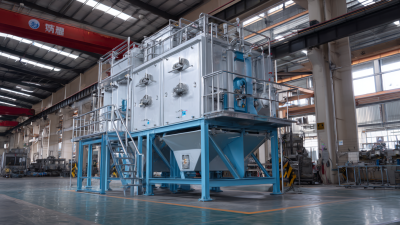
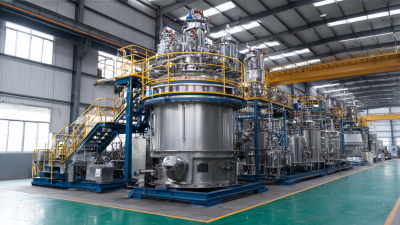
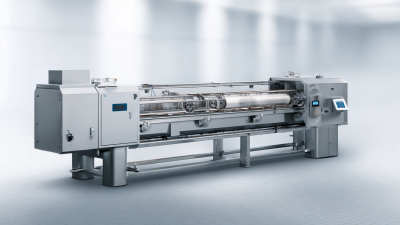
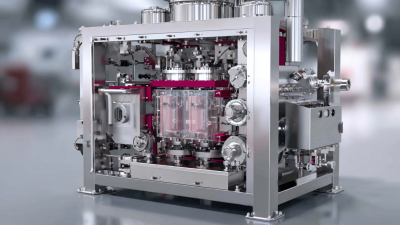
When you're trying to pick out the right equipment for your mixing needs, it’s really important to understand the ins and outs of High-Pressure Mixers. These machines are specially designed to mix materials thoroughly under high-pressure conditions, and they end up being pretty essential across a bunch of industries—think food production, chemicals, and more. Getting the right high-pressure mixer can make a huge difference in how efficient your operation is, the quality of your final products, and how consistent everything turns out.
In this article, I’ve put together ten key tips to help guide you through choosing the perfect high-pressure mixer for your specific needs. We'll cover everything from checking out the specs and capabilities, to thinking about how the design and maintenance will fit into your workflow. Each tip is there to help you make a smart, informed decision. Follow these suggestions, and you'll not only find a mixer that works for today but also one that can grow with you for whatever comes next—giving your overall production a real boost and helping you reach new levels of success.
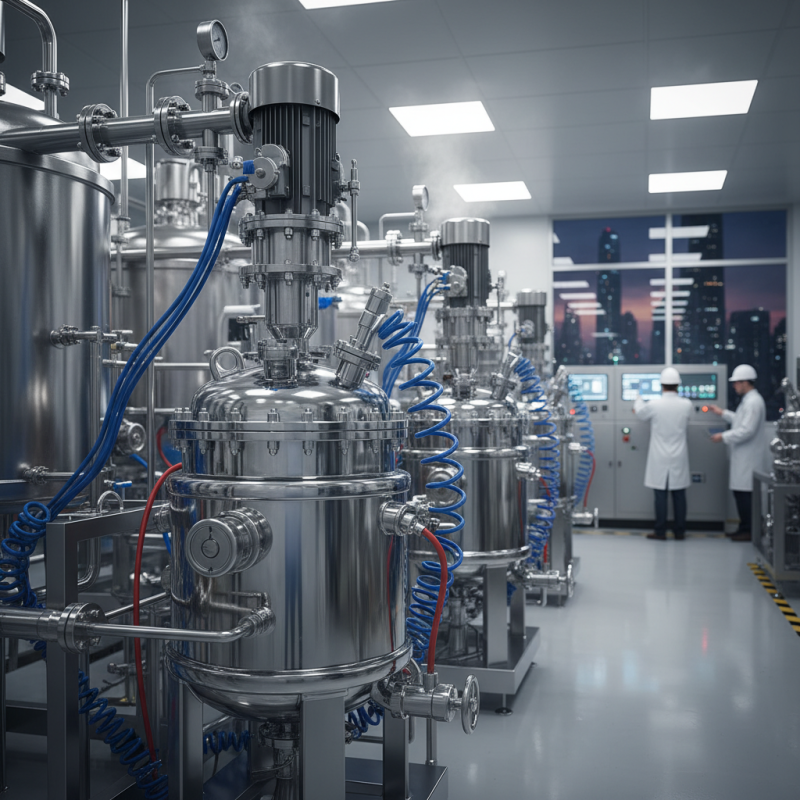
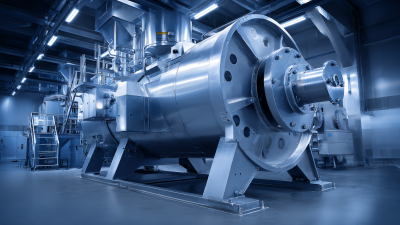
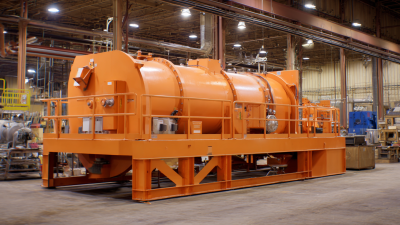
Understanding High Pressure Mixers and Their Applications
High pressure mixers play a crucial role in various industries, such as chemical manufacturing, food processing, and construction. These mixers operate at elevated pressures, allowing for more efficient blending of materials that require high shear forces for proper dispersion and homogenization. For instance, in the paint and coatings industry, high pressure mixers can achieve a uniform consistency of viscous materials, which is vital for product quality. According to a report by Smithers, the global market for High Shear Mixers, which includes high pressure mixers, is projected to grow significantly, reaching over $1 billion by 2025, demonstrating the increasing demand for efficient mixing technologies.
When selecting a high pressure mixer, understanding its applications is paramount. Different industries have specific requirements for mixing processes, such as temperature control, pressure settings, and the nature of the materials being mixed. Research by the American Institute of Chemical Engineers (AIChE) highlights that the effectiveness of high pressure mixers can impact product consistency and operational efficiency, with improper mixer selection potentially leading to downtimes and increased operational costs. Hence, it's essential to assess the mixer’s capabilities against the intended application, focusing on factors such as batch size, viscosity of materials, and the desired end product characteristics to ensure optimal performance.
Key Features to Consider When Selecting a High Pressure Mixer
When selecting a high-pressure mixer, it’s essential to consider several key features that can significantly influence its performance and suitability for your specific needs. First, pay attention to the mixer’s capacity and the maximum pressure it can handle. Depending on the materials you intend to process, a mixer with higher pressure capabilities might be required to achieve optimal results. Additionally, consider the flow rate of the mixer, as this will impact your production efficiency. A higher flow rate means you can mix larger quantities in a shorter amount of time, which is particularly important in a high-volume production environment.
Another crucial feature to evaluate is the type of mixing technology employed in the mixer. Different mixing technologies, such as direct or indirect mixing, can yield varying results in terms of consistency and quality of the mixture. Moreover, look for features that enhance usability and maintenance, such as easy cleaning mechanisms and user-friendly controls. Noise levels and energy efficiency are also important factors to keep in mind, as they can impact both operational costs and the working environment. By carefully considering these aspects, you can choose a high-pressure mixer that best aligns with your operational goals and requirements.
Assessing Your Mixing Needs: Capacity and Performance Requirements
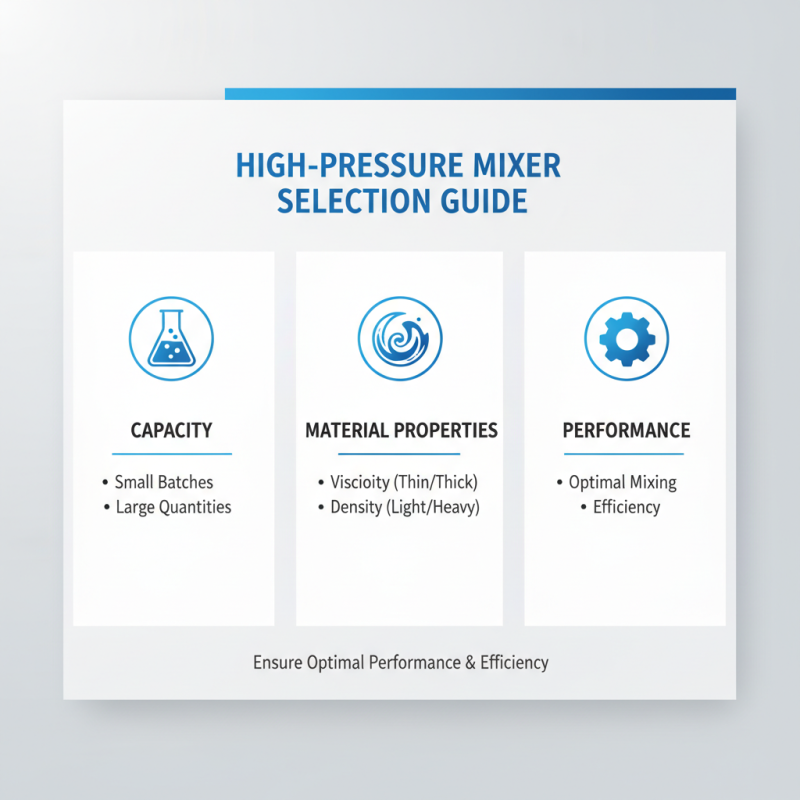
When selecting a high pressure mixer, understanding your mixing needs is crucial to ensure optimal performance and efficiency. Begin by assessing your required capacity; this involves analyzing the volume of materials you will be mixing regularly. Determine whether you need a mixer that can handle small batches or larger quantities, as this will significantly influence the type and size of mixer you select. Additionally, consider the viscosity and density of the materials, as these characteristics will impact the mixer’s performance and efficiency during operation.
Performance requirements are another vital aspect to consider. Evaluate the mixing speed and consistency desired for your process. Factors such as time constraints, the need for uniform mixing, and the complexity of your formulation will influence how powerful the mixer should be. High pressure mixers vary not only in their capacity but also in their operational capabilities; thus, understanding the specific demands of your application will help you choose a mixer that can meet these criteria. By focusing on capacity and performance, you can make an informed decision that aligns with your production goals.
Materials and Durability: Choosing the Right Construction for Your Mixer
When selecting a high pressure mixer, the construction materials and durability are paramount considerations. A mixer that is made from high-grade materials not only ensures longevity but also maintains the consistency and quality necessary for high-performance mixing applications. According to a recent industry report, approximately 40% of mixer failures are attributed to inadequate material choices and construction techniques, highlighting the critical nature of these factors in avoiding costly downtime and repairs.
Stainless steel is widely recognized for its optimal durability, especially in high-pressure environments where resistance to corrosion is essential. For instance, mixers constructed from 316 stainless steel can withstand harsh chemicals and high temperatures, making them ideal for food processing and pharmaceutical applications. Additionally, the use of heavy-duty seals and reinforced components can significantly enhance the mixer’s lifespan. A study indicates that mixers built with reinforced polymer materials and advanced composites exhibit a 30% increase in durability compared to standard models under similar pressures.
Moreover, understanding the mixer’s working environment is crucial in selecting the right construction. If the mixer will be subjected to continuous operation and extreme conditions, investing in higher-grade materials may seem more costly upfront but can lead to reduced maintenance costs and increased efficiency in the long run. This consideration aligns with market analysis projections that suggest companies can save up to 20% in operational costs by choosing mixers designed for heavy-duty use, ultimately improving their return on investment.
Comparison of High Pressure Mixer Materials and Durability
Evaluating Operational Costs and Energy Efficiency in Mixers
When selecting a high-pressure mixer, evaluating operational costs and energy efficiency is crucial in ensuring that your investment aligns with your production goals. One of the primary factors influencing operational costs is the mixer’s energy consumption. Modern mixers often incorporate advanced technology that optimizes power usage without compromising performance. It is imperative to analyze the energy ratings and operational capacities of different mixers to identify models that not only meet your mixing requirements but also offer long-term savings on energy bills.
Moreover, maintenance and upkeep costs play a significant role in the overall operational budget. Choosing a mixer that is built with durable materials can reduce the frequency and cost of repairs, extending the machine’s lifespan. Additionally, considering models with user-friendly features may streamline maintenance processes, further lowering downtime and labor costs. In evaluating energy efficiency, look for mixers designed to minimize waste and facilitate recycling of materials, as this can lead to significant cost reductions over time while also promoting sustainable practices in your operations.
Maintenance and Support: Ensuring Longevity of Your Mixer
When investing in a high pressure mixer, maintenance and support are crucial aspects that significantly affect the longevity and performance of the equipment. Regular maintenance not only helps in detecting potential issues before they escalate into costly repairs, but it also ensures that the mixer operates at optimal efficiency. Routine checks, such as inspecting seals, validating pressure settings, and cleaning the mixing chamber, should be part of a schedule to prevent buildup of materials that can cause wear and tear.
Additionally, establishing a relationship with a reliable support provider can offer peace of mind. Access to technical support can help users troubleshoot problems swiftly, reducing downtime. Comprehensive service contracts can include routine maintenance checks and prompt replacement of wear parts, ensuring that your mixer stays in peak condition. Training staff on proper operating procedures also plays a significant role in extending the life of the mixer, as informed users can avoid common operational mistakes that may lead to premature failure. By prioritizing maintenance and support, users can maximize their investment in high pressure mixers and maintain consistent production quality.
Comparing Brands and Models: Researching Your Options Thoroughly
When selecting a high pressure mixer, thorough research is paramount to ensure the model fits your specific needs. Evaluating various brands and models involves analyzing key specifications such as mixing capacity, pressure ratings, and energy efficiency. According to industry reports, the global market for high pressure mixers is projected to reach USD 1.5 billion by 2025, reflecting an increasing demand for mixing solutions in sectors like food, pharmaceuticals, and materials processing. This growth underscores the need for potential buyers to compare options rigorously, as the right mixer can significantly impact operational efficiency and product quality.
In your research, it is crucial to assess the technical features that differentiate mixers in the market. For instance, a study by the Mixing Technology Institute highlights that mixers with advanced control features and precise pressure management capabilities contribute to enhanced performance, resulting in a reduction of mixing time by up to 30%. Furthermore, user feedback and expert reviews can provide insights into the reliability and longevity of the equipment. By collating data from multiple sources and considering factors such as warranty options and support services, you can make a well-informed decision that aligns with your production requirements, ultimately maximizing your investment in high pressure mixing technology.
Maximizing Construction Efficiency: Insights from Industry Reports on Ploughshare Mixer Performance for Mortar and Cement Applications
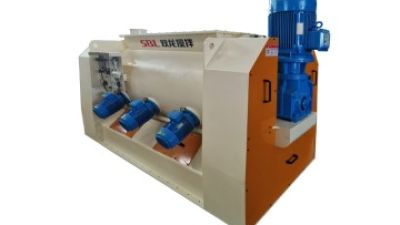
In the construction industry, achieving optimal mixing efficiency is critical for producing high-quality dry-mix mortar and putty powder. Recent industry reports highlight that advanced mixing technologies, such as those found in high-performance Ploughshare Mixers, play a pivotal role in maximizing efficiency and ensuring cost-effectiveness in mortar and cement applications. The utilization of efficient mixing systems can lead to remarkable improvements in production processes, fundamentally altering the efficacy of construction projects.
One standout feature of these advanced mixers is their wear-resistant treatment applied to vital components like agitators, choppers, and vessels. This treatment not only enhances the durability of the mixers but significantly extends their service life, making them a preferred choice in demanding environments. The integration of a dependable pneumatic bomb door in the discharge system further contributes to swift and residue-free unloading, minimizing downtime and maximizing productivity. Moreover, the mixers operate at high speeds, achieving rapid homogeneity, which is essential for the consistency required in building materials, special mortars, and coatings.
With an impressive market share in the mortar industry, high-efficiency mixing solutions are becoming increasingly popular among manufacturers aiming to optimize their production capabilities. Industry studies indicate that adopting such advanced mixing technologies can result in significant cost savings and improved product quality, reinforcing the necessity for construction companies to invest in reliable equipment. As competition intensifies, these insights underscore the importance of maximizing mixing efficiency for sustained success in the construction sector.
FAQS
: High pressure mixers are used in various industries such as chemical manufacturing, food processing, and construction for efficient blending of materials that require high shear forces for proper dispersion and homogenization.
Proper selection is critical as it can impact product consistency and operational efficiency. An inappropriate mixer may lead to downtimes and increased operational costs.
Factors to consider include batch size, viscosity of materials, temperature control, pressure settings, and the desired characteristics of the final product.
Operational costs are influenced by energy consumption and maintenance expenses. Choosing energy-efficient models and durable materials can lead to significant long-term savings.
Energy efficiency is essential as it helps in reducing energy consumption, lowering operational costs, and promoting sustainable practices within production processes.
Maintenance costs can be minimized by selecting mixers made from durable materials, which decrease the need for frequent repairs, and by choosing models that feature user-friendly maintenance processes.
The market for high shear mixers, which includes high pressure mixers, is projected to grow significantly, reaching over $1 billion by 2025, indicating an increasing demand for efficient mixing technologies.
In the paint and coatings industry, high pressure mixers are used to achieve a uniform consistency of viscous materials, which is crucial for maintaining product quality.
High pressure mixers ensure proper dispersion and homogenization of materials, which is vital for achieving consistent product characteristics and performance.
Modern high pressure mixers incorporate advanced technology that optimizes power usage while maintaining performance, which is critical for reducing energy costs and improving operational efficiency.
Conclusion
Choosing the right High-Pressure Mixer for your needs involves a thorough understanding of its applications and features. It's essential to assess your specific mixing needs, including capacity and performance requirements, to ensure optimal functionality. Consideration of materials and durability is vital in selecting a construction that will withstand everyday usage while maintaining efficiency.
Additionally, evaluating operational costs and energy efficiency can significantly impact long-term investment. Maintenance and support play a crucial role in the longevity of your High-Pressure Mixer, making it important to choose a model that offers reliable service. Finally, comprehensive research on various brands and models allows you to compare options effectively, ensuring you make an informed decision tailored to your requirements.