So, have you heard of the Eva Material Mixer? It's pretty cool—basically, an innovative machine built for mixing all kinds of materials. Manufacturers love it because it speeds up the process of making high-quality compounds, and it does a solid job blending ethylene-vinyl acetate (EVA) with other stuff to get a nice, consistent mix.
If you're curious about how it works, well, understanding its operation can really show you all the advantages. Usually, it comes with adjustable speed settings, so you can tweak things based on what you're making. Whether you want a different texture or composition, you can pretty much customize it on the fly. That said, I gotta be honest—getting the hang of these machines isn’t always super straightforward. Sometimes you gotta play around with the settings a bit, experiment a little, to get everything just right.
The industry itself is constantly changing, with new techniques popping up all the time. Staying on top of these innovations is really important if you want to keep up. The Eva Material Mixer definitely has a lot of potential, but it also raises questions about how efficient and precise the results really are. So, it’s a good idea to step back now and then and rethink your process—getting to know your equipment better can really make a difference. Embracing these new tools and learning how to master them is the way forward if you want to grow and stay innovative.
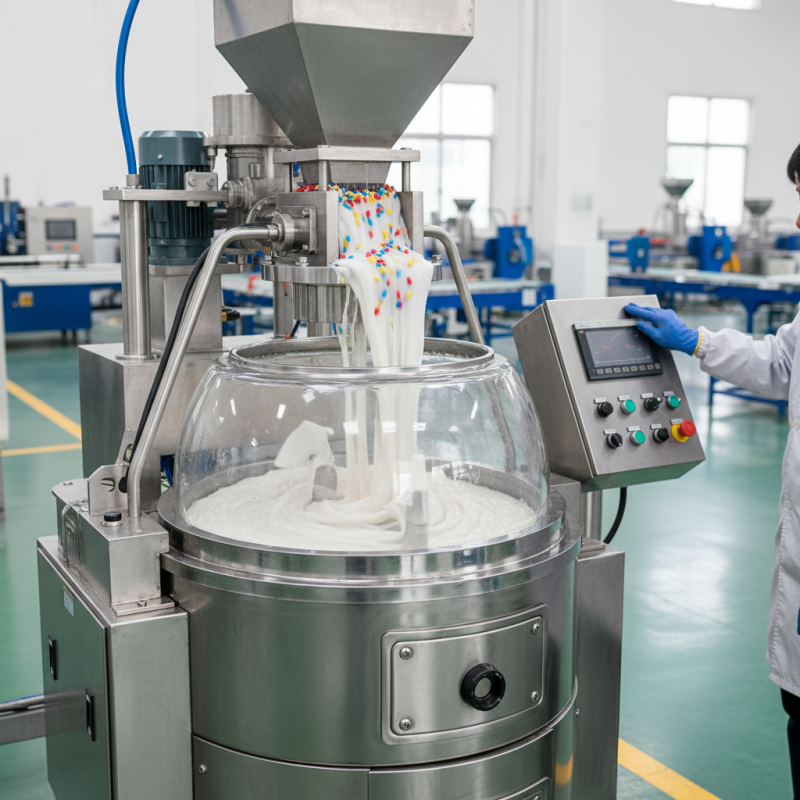
Eva Material Mixer is an essential tool in many industries. It is designed to blend EVA materials effectively. The mixer creates a uniform consistency in the end product. This ensures the materials perform well in various applications. The machine typically has a robust construction, allowing it to operate under tough conditions.
In operation, the Eva Material Mixer uses a set of blades for mixing. These blades rotate at high speeds. They cut through and blend the materials thoroughly. The process can be intensified with heat. It helps to soften the EVA material, making mixing smoother. However, improper settings may lead to overheating. This can ruin the batch, causing waste.
Users often note the importance of monitoring the mixing time. Too short results in inadequate blending while too long might degrade the material. Adjustments may be needed for different formulations. Reflections on these factors improve the mixing process. Balancing speed, heat, and timing is crucial. Each adjustment brings its own set of challenges. There is always room for learning and improvement.
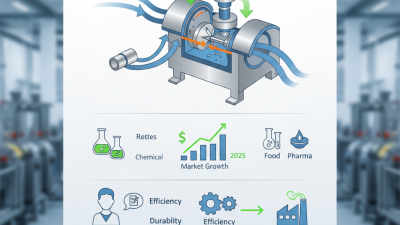
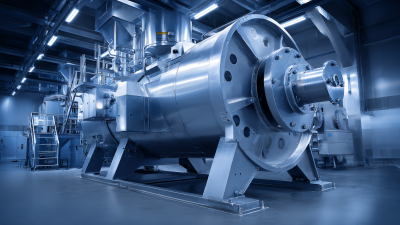
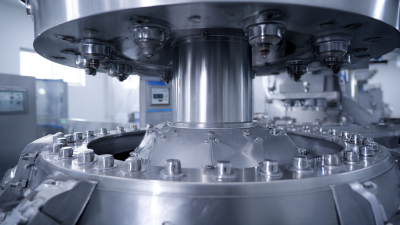
The Eva material mixer is an essential device in various manufacturing processes. It specifically helps in the mixing of EVA materials, ensuring a consistent blend. Key components of the Eva material mixer include the mixing chamber, the motor, and the feeding system. Each part plays a crucial role in the performance and efficiency of the mixer.
The mixing chamber is where the actual blending occurs. It is often designed to provide an even distribution of materials. Proper design can minimize dead zones, but imperfections may still exist. The motor drives the mixing blades, which must be powerful enough to handle different material viscosities. If not, the mixing quality suffers. The feeding system introduces materials into the chamber. This component must allow for precise control to avoid feeding issues.
Overall, while an Eva Dryer often complements the mixer by removing excess moisture, it’s important to reflect on the entire process. Even minor flaws in any component can lead to significant inefficiencies. Therefore, monitoring these key components is vital for achieving optimal results in production.
The Eva Material Mixer is a device designed for blending materials in various industries. It’s essential for those who need a uniform mix of EVA materials. Understanding how it operates can help users achieve better results.
To begin, ensure all components are ready. Begin by adding specific materials into the mixing chamber. Users often overlook this step. A balanced input volume is crucial for efficiency. Next, activate the mixing function. The machine uses rotational force to combine materials evenly. The mixing process generally takes only a few minutes. However, observe the texture closely to ensure the desired consistency is achieved.
After mixing, carefully empty the chamber. This step can be quite messy if not done right. Pay attention to any leftover material that might cause waste. Some operators find this stage challenging. Cleaning the mixer thoroughly is vital for future use. Neglecting this can lead to contamination. The process requires attention and patience. Each step matters, even when it seems mundane.
The EVA Material Mixer plays a crucial role in various industries. It is particularly effective in the production of EVA-based products. One common application is in the footwear industry, where it is used to mix materials for soles. This ensures a uniform blend, resulting in durable and comfortable shoes.
Another key area is the packaging industry. EVA is often used for its adhesive properties in different packing solutions. The Bulk Material Mixer helps achieve the right viscosity and consistency for these adhesives. This guarantees a better seal and protection for packaged goods.
However, using an EVA Material Mixer can present challenges. Mixing times and temperatures need close monitoring. Inconsistent mixing can lead to product quality issues. Sometimes, operators may overlook calibration adjustments, affecting outcomes. Over time, these small oversights can become significant problems in production efficiency.
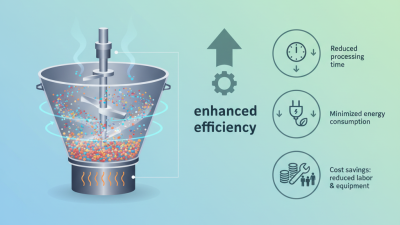
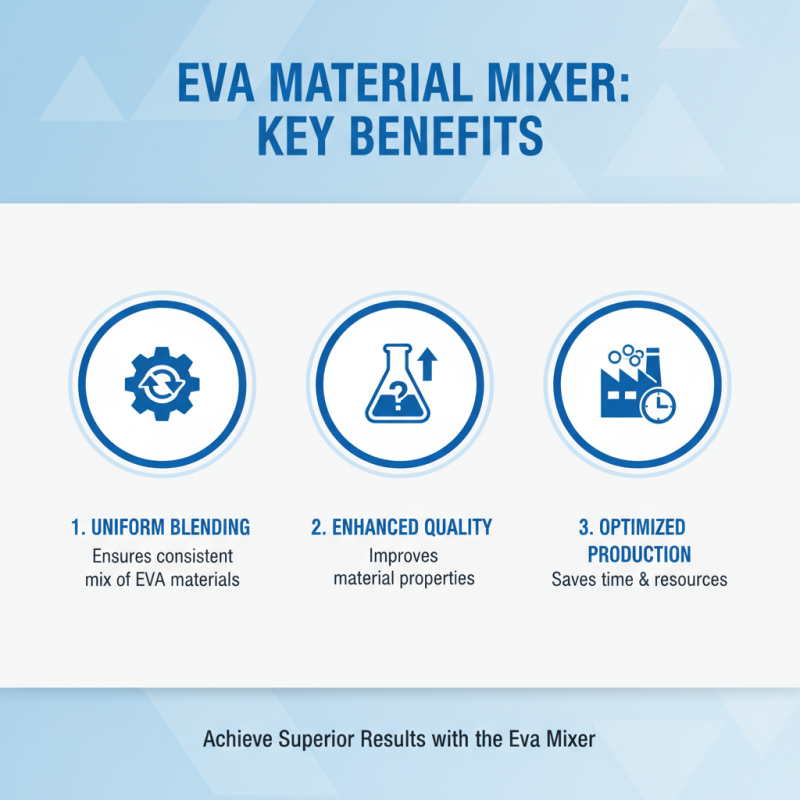
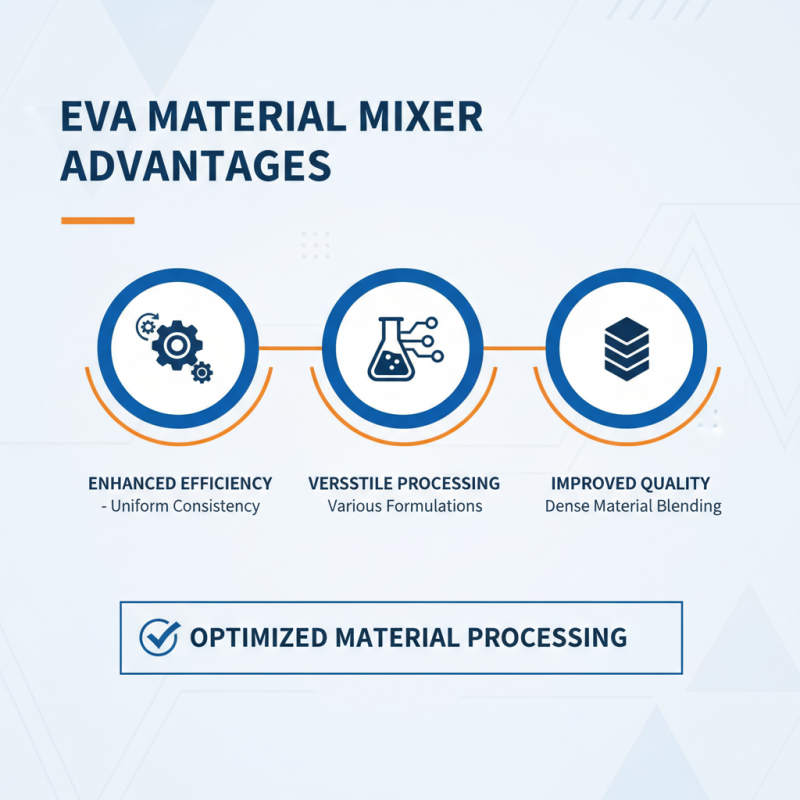
Eva Material Mixer offers numerous advantages that enhance material processing efficiency. This mixer effectively blends different materials to achieve uniform consistency. It can handle various formulations, making it versatile for different applications. The ability to mix dense materials improves product quality significantly.
Moreover, the Eva Material Mixer minimizes mixing time, which boosts production rates. A shorter mixing cycle helps manufacturers meet tight deadlines. However, operators may need time to get used to its features. Training is essential to maximize its potential. Proper maintenance is also crucial to prevent wear and tear.
Cost-effectiveness stands out as another benefit. By reducing energy consumption and waste, this mixer proves to be an economical choice. Even small issues, like inconsistent loading, can impact efficiency. Maintaining proper loading practices is necessary to achieve desired results. Attention to detail in operation can prevent costly mistakes.
Eva Material Mixers play a crucial role in material preparation. To keep them running smoothly, effective maintenance is vital. Regular checks can prevent many issues. A clean mixer is more efficient. Dirt and residue can alter the mixture quality. Inspect all components frequently for wear or damage.
It’s not just about cleaning. Lubricating moving parts is essential. This minimizes friction and wear. However, some operators overlook this aspect. They often wait too long to replace worn components. This delay can lead to bigger problems down the line. Keep an eye on the internal mechanisms. They are crucial to the mixer's performance.
Monitoring the Battery Raw Material Mixer for unusual noises is also important. Strange sounds may indicate malfunctioning parts. Documenting usage patterns helps identify recurring issues. This is a common oversight. Tracking can reveal deeper problems. Using proactive maintenance strategies ensures longevity and performance. Regular care leads to reliable mixing and better quality outcomes.
Eva Material Mixer is a versatile tool used in various industries. However, operators often face common problems that can hinder performance. Understanding these issues is crucial for efficient operations.
One frequent problem is uneven mixing. This can occur due to incorrect loading of materials. A report from the Mixing Technology Association shows that 30% of users experience inconsistent results when batches are not aligned properly. Ensure materials are evenly distributed in the Feed Mixer to achieve better results. Adjusting the mixer’s speed can also help in achieving uniformity.
Another common issue is excessive wear on mixing blades. This can lead to costly repairs and downtime. According to industry data, maintenance costs can increase by up to 40% due to blade damage. Regular checks on the mixer’s components can prevent these problems. Tightening fasteners and replacing worn parts promptly will extend the mixer’s lifespan.
When troubleshooting, consider the power supply. Inadequate power can affect mixing efficiency. If the mixer is not starting, inspect electrical connections. Proper maintenance and awareness of these issues can significantly improve the performance of the Eva Material Mixer.
| Feature | Description | Common Problems | Troubleshooting Tips |
|---|---|---|---|
| Mixing Capacity | Varies from small to large batches depending on model. | Insufficient mixing | Ensure correct load size and mixer speed settings. |
| Material Compatibility | Designed for EVA, but can mix certain thermoplastics. | Material jamming | Check for foreign materials and clear any blockages. |
| Power Consumption | Uses variable power levels based on the load. | High energy costs | Regular maintenance to improve efficiency. |
| Safety Features | Emergency stop and overheating protection. | Overheating | Inspect cooling systems and clean filters regularly. |
| User Interface | Intuitive controls for ease of use. | Confusing settings | Refer to the user manual for detailed instructions. |
: The service aims to provide users with efficient information and support.
Users can access it through an online platform or mobile app.
Some features may require payment, while basic access is often free.
User data is encrypted and stored securely, but always be cautious online.
Support is usually available 24/7, but response times may vary.
Technical issues can happen. Report them to customer support for resolution.
Feedback can typically be submitted through the platform or via email.
Yes, not all information may be available or up to date.
Try again later or check for maintenance announcements.
Yes, the service usually allows access from various devices, but limitations may apply.
The Eva Material Mixer is an essential machine used in various industries for efficiently blending EVA (ethylene-vinyl acetate) materials. It consists of key components such as the mixing chamber, motor, and control system, which work together to ensure an even mixture. The operation of the Eva Material Mixer involves several steps, including loading materials, mixing, and discharging the finished product, making it a crucial tool for applications ranging from footwear manufacturing to adhesives production.
Using an Eva Material Mixer offers numerous benefits, including improved consistency and quality of the final product, reduced mixing time, and enhanced productivity. Proper maintenance and care are vital for its longevity, with regular cleaning and inspections helping to prevent common issues. Troubleshooting tips can assist operators in swiftly addressing any operational challenges, ensuring the mixer remains efficient and effective in its applications.