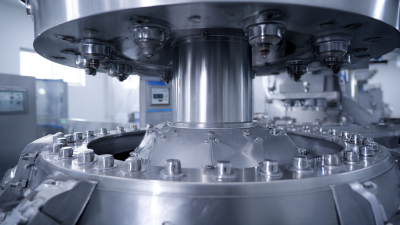
In the competitive world of manufacturing, choosing the right equipment can really make a difference when it comes to how efficiently things get done. Take the High Temperature Mixer, for example — it’s pretty unique because it can blend materials at really high temperatures, which isn’t something all mixers can do. According to a report from Market Research Future, the high temperature mixing market is expected to grow by about 5.5% by 2025. Sounds like it’s becoming a big deal across different industries, right?
Dr. Emily Chen, who’s kind of a big name in thermal processing tech, says, “The High Temperature Mixer helps manufacturers get that perfect, uniform mix even with tricky materials.” Her words highlight just how important it is to stay ahead with advanced mixing tools. But, let’s be honest — these machines can be pretty complex. If you don’t manage properly or your staff isn’t trained well, you might end up with inconsistent results. So, it’s really vital to make sure everything’s set up correctly and monitor it regularly.
Buying a High Temperature Mixer isn’t just about spending money — it’s also about investing time in training your team and fine-tuning your processes. As the industry gets more demanding about quality, deciding to go with a high-temperature mixer could honestly be a game-changer for your success in this fast-paced market. Finding the right balance between being innovative and mastering the operation is key, and it definitely makes you think about how to best leverage these high-tech tools to stay ahead.
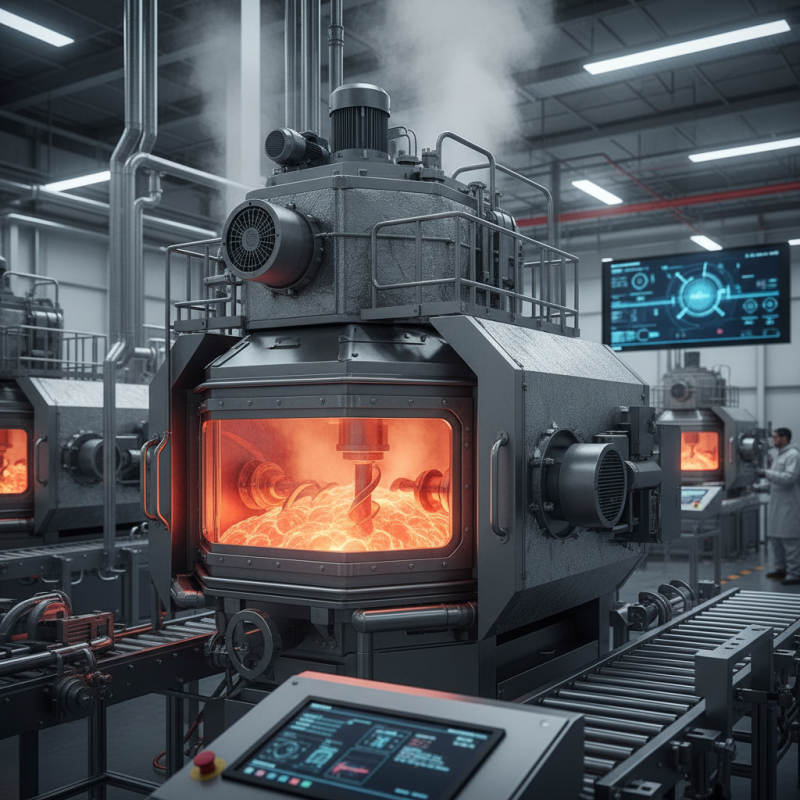
Benefits of Using High Temperature Mixers in Manufacturing Processes
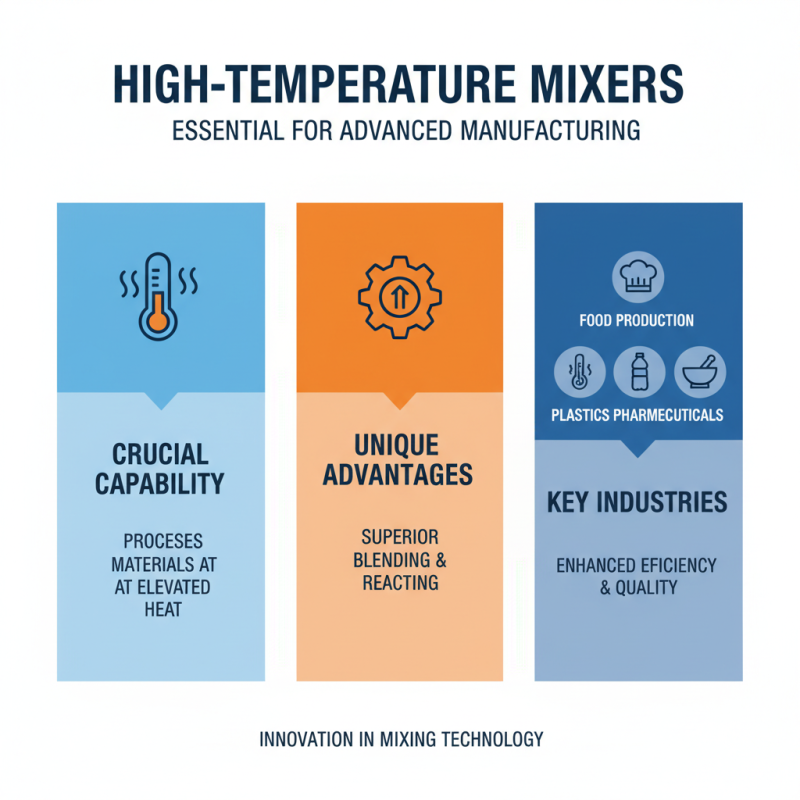
High temperature mixers are essential in many manufacturing processes. They provide unique advantages that traditional mixers cannot offer. One significant benefit is their ability to process materials at high temperatures. This capability is crucial for industries like food production, plastics, and pharmaceuticals.
The high temperatures facilitate better blending and consistency. For instance, when mixing certain ingredients, heat helps dissolve solids and enhances uniformity. Moreover, these mixers can improve the texture of products. For example, in food manufacturing, a smooth and creamy consistency relies on proper mixing at elevated temperatures.
However, using high temperature mixers has its challenges. They require careful operation to prevent material degradation. If the temperature exceeds a certain threshold, it can ruin the mixture. Operators need to monitor the process closely. Regular maintenance is also necessary to ensure safety and efficiency. Mixing at high temperatures can lead to energy consumption concerns. Balancing efficiency and quality is an ongoing process in most manufacturing settings.
Applications of High Temperature Mixers Across Various Industries
High temperature mixers play a vital role across various industries. They are essential for processes requiring significant heat, such as in the chemical, food, and plastics sectors. For instance, in chemical manufacturing, these mixers facilitate the blending of materials at elevated temperatures, allowing for better solubility and consistency. In the food industry, they are used to create specific textures in products like sauces and baked goods.
Tips: Always consider heat-resistant materials when selecting a mixer. The wrong choice can lead to equipment failure.
In the plastics industry, high temperature mixers help in the production of polymer compounds. The melting and mixing of raw materials occur at high temperatures, improving the end product's quality. However, some users might overlook the importance of cooling systems. Insufficient cooling can lead to overheating and hinder the process's efficiency.
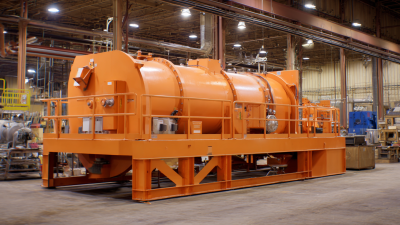
When using a High Temperature Horizontal Reactor, ensure proper temperature controls and monitoring. Failure to maintain consistent temperatures may affect the overall product quality.
Key Features and Technologies in High Temperature Mixers
High temperature mixers are essential in various manufacturing sectors. They excel in processing materials that require elevated temperatures. These mixers can handle challenging substances, like plastics and chemicals.
One key feature of high temperature mixers is their robust construction. Materials like stainless steel help resist wear. This durability is crucial for maintaining performance and ensuring safety. According to industry reports, about 80% of manufacturers see improved efficiency when using specialized mixers for high-temperature applications. Mixing technologies, such as rotor-stator designs, create uniform consistency, reducing the risk of uneven heating.
Temperature control systems are another vital component. Advanced sensors monitor conditions in real-time. This allows for precise adjustments to avoid overheating. In fact, studies indicate that improper temperature management can lead to a 30% decrease in product quality. Manufacturers need to pay close attention to these features. It's a complex system that demands both investment and careful operation. Many still struggle to maximize their equipment's potential, hampering overall productivity.
Why Choose a High Temperature Mixer for Your Manufacturing Needs? - Key Features and Technologies in High Temperature Mixers
| Feature | Description | Benefits | Applications |
| Temperature Control | Precision control of high temperatures to ensure optimal mixing conditions. | Improved product quality and consistency. | Plastics, Food Processing, Pharmaceuticals. |
| Material Options | Constructed with materials that can withstand high temperatures and corrosion. | Durability and longer lifespan of equipment. | Chemical Manufacturing, Adhesives. |
| Mixing Technology | Utilization of advanced mixing technologies (e.g., paddle, Ribbon Mixers). | Enhanced blending and reduced mixing time. | Cosmetics, Foods, Polymers. |
| Safety Features | Equipped with safety mechanisms to prevent overheating and accidents. | Ensures a safe working environment. | Industrial Manufacturing, Food Processing. |
| Efficiency | Designed for high throughput and optimal energy use during operation. | Cost-effective and environmentally friendly manufacturing processes. | Waxy Materials, Composites. |
Factors to Consider When Selecting a High Temperature Mixer
When selecting a high temperature mixer, several key factors warrant attention. First, consider the maximum operating temperature. Many industrial processes require mixers that withstand temperatures beyond 300°C. A recent study by the American Institute of Chemical Engineers revealed that about 65% of companies prioritize temperature control in their manufacturing processes. This highlights the importance of choosing a mixer that meets specific thermal requirements.
Another critical factor is material compatibility. A high temperature mixer must be made from materials that can withstand corrosive substances. For instance, stainless steel is often preferred due to its durability. Ensure that your mixer is designed to handle the specific chemicals involved in your process. Inconsistent material can lead to equipment failures or contamination, affecting product quality.
Tips: Always verify the mixer's insulation properties. Adequate insulation can improve energy efficiency and maintain consistent temperatures. Second, consult with industry experts to understand which configurations, like the High Temperature Cladding Kettle System, suit your needs. This collaborative approach often leads to better decision-making and higher satisfaction in outcomes. Remember, every production environment has unique challenges that must be addressed thoughtfully.
Comparative Analysis: High Temperature Mixers vs. Standard Mixers
When comparing high temperature mixers to standard mixers, several factors stand out. High temperature mixers can handle extreme conditions. They are built to endure heat, making them suitable for specialized materials. This capability helps in industries like food, pharmaceuticals, and plastics, where temperatures can exceed 200 degrees Celsius.
Standard mixers often struggle at higher temperatures. They may suffer from reduced efficiency and product degradation. A report from the Mixing Technology Association indicates that using High Shear Mixers at elevated temperatures can improve product consistency by up to 25%. However, the initial cost can deter some manufacturers. They worry about long-term ROI. Maintenance needs can also increase with high temperature mixers.
In many cases, operators underestimate the challenges of mixing under high heat. It's crucial to ensure proper maintenance and operator training. Mistakes can lead to inconsistent product quality. With the right approach, high temperature mixers can provide significant advantages. They ensure better viscosity control and enhanced blending capabilities. Balancing cost with performance remains a critical consideration in the decision-making process.
Maintenance and Care for High Temperature Mixers
High temperature mixers are essential in various manufacturing processes. They help blend materials that need specific temperature conditions for optimal results. However, proper maintenance and care are crucial to ensure their longevity and performance.
Regular cleaning is vital. Residue can build up, affecting efficiency. It’s important to inspect seals and gaskets routinely as wear and tear can lead to leaks. According to industry reports, poorly maintained mixers can lead to production downtime, costing businesses up to 15% in lost revenue.
Tips: Always follow the manufacturer's guidelines for cleaning and maintenance. Schedule routine inspections to catch potential issues early.
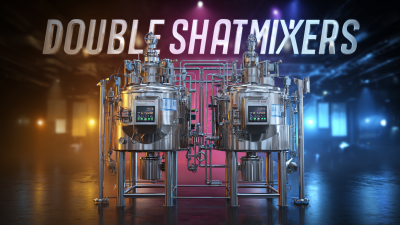
Temperature control is another aspect to consider. High temperature mixers operate at specific ranges. If the temperature fluctuates, product quality may degrade. Ensure your mixer, like a High-Share Mixer, is calibrated correctly. A small adjustment can make a big difference in output quality.
Regularly monitor the performance data. This helps identify patterns that may indicate the need for maintenance. Equipment that faces issues often affects overall production efficiency. Reflecting on these challenges improves the future workflow.
High Temperature Mixer Performance Analysis
This chart illustrates the performance metrics of high temperature mixers, highlighting aspects such as the cleaning frequency, downtime, maintenance costs, and the operational temperature range. Understanding these factors is crucial for optimizing maintenance practices and ensuring efficient manufacturing processes.
Future Trends in High Temperature Mixing Technology
High temperature mixing technology is evolving rapidly. Manufacturers are increasingly recognizing its importance. Recent studies indicate that high temperature mixers can improve product consistency and reduce energy consumption by up to 30%. This efficiency is vital in industries like pharmaceuticals and food production, where precise mixing is critical.
As we look ahead, trends reveal that automation will play a significant role in high temperature mixing. Smart mixers equipped with IoT technology can provide real-time data analytics. This information enhances quality control. Additionally, these mixers are becoming more energy-efficient, responding to environmental concerns. According to industry reports, energy costs can consume over 50% of a facility's budget. Selecting the right mixer can mitigate this issue.
Tip: Consider integrating a high temperature mixer with smart sensors to optimize the mixing process. They can monitor conditions and provide data-driven insights.
Moreover, sustainability is becoming a standard expectation. Manufacturers are exploring eco-friendly materials and designs. This shift could lead to unexpected challenges, such as higher initial costs or longer production times. Continuous reflection on these evolving technologies will be essential. Therefore, progressively adapting to these changes is crucial for maintaining a competitive edge.
Maximizing Efficiency in Industrial Mixing: The Advantages of Conical Screw Mixers
In the world of industrial mixing, efficiency is paramount, and Conical Screw Mixers have emerged as a highly effective solution across various sectors. These mixers are particularly noted for their gentle mixing capabilities, offering low shear and soft blending that preserves the integrity of sensitive ingredients. According to industry reports, the demand for such low-shear mixing solutions is projected to grow significantly, driven by sectors like pharmaceuticals, food processing, and chemical manufacturing, where product quality and consistency are critical.
One of the standout features of conical screw mixers is their versatile design. Available in both single and twin screw configurations, they cater to a wide range of mixing requirements. The side discharge feature enhances operational efficiency by facilitating easy and quick unloading of mixed products. Moreover, the center rotary spraying design enables effective drying of liquids within powder mixtures, optimizing processes and saving on time and resources. Industry data indicates that utilizing such mixers can lead to substantial reductions in mixing times, making them invaluable for companies looking to enhance productivity without sacrificing quality.
While the traditional structure of conical screw mixers offers reliability, it is essential for users to prioritize regular maintenance to ensure their continued optimal performance. This not only aids in sustaining the mixer’s lifespan but also guarantees high-quality outcomes at a more cost-effective rate. Given the growing trends in manufacturing efficiency, integrating conical screw mixers represents a strategic investment for industries aiming to improve their mixing processes.
FAQS
: Begin with something enjoyable. Explore options that genuinely interest you. Don’t overwhelm yourself.
Set small, achievable goals. Celebrate little victories. Find a supportive community to share experiences.
Consistency creates habit. Regular practice leads to improvement. It can also enhance enjoyment over time.
It’s normal to feel frustrated. Take breaks and reflect on your progress. Focus on fun aspects instead.
Schedule specific times each week. Treat it like an important appointment. Prioritize it in your routine.
Reflect on why your interest waned. Consider trying a different approach. It’s okay to move on or take a break.
Yes, but be mindful of your time. Juggling too many interests can lead to burnout. Focus can enhance enjoyment.
Time constraints and fear of failure are common. Many struggle with finding the right resources too.
Explore different communities online. Attend local events or workshops. Inspiration can come from varied sources.
Everyone starts somewhere. Improvement takes time and effort. Enjoy the process, not just the outcome.
Conclusion
High Temperature Mixers are essential tools in various manufacturing processes due to their ability to handle materials at elevated temperatures, enhancing efficiency and product quality. The benefits of using these mixers include improved mixing precision, reduced processing time, and the capability to work with heat-sensitive ingredients across industries such as food, pharmaceuticals, and plastics.
When selecting a High Temperature Mixer, it is crucial to consider factors such as the specific application requirements, the mixer’s key features and technologies, and maintenance needs to ensure optimal performance. A comparative analysis reveals that High Temperature Mixers offer distinct advantages over standard mixers, particularly in handling challenging materials. As technology evolves, future trends may introduce advanced features that further improve the functionality and efficiency of High Temperature Mixers, solidifying their role in modern manufacturing.