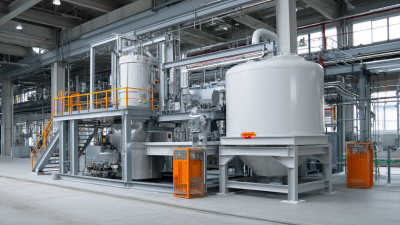
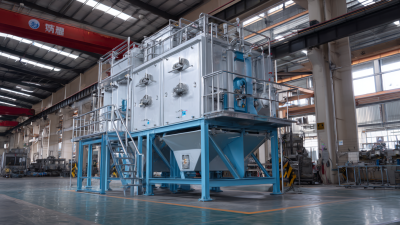
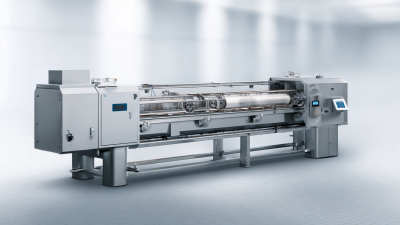
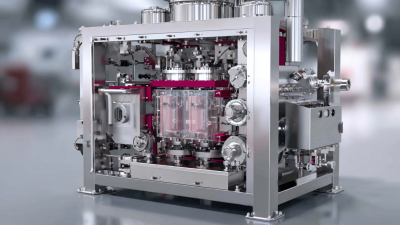
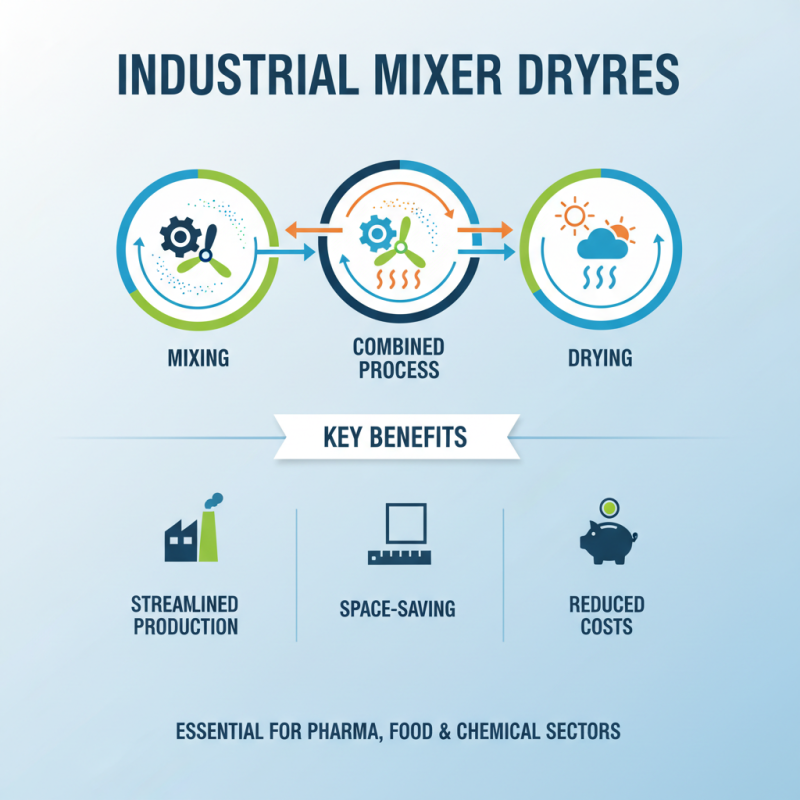
Nowadays, in the world of industrial processing, being efficient and versatile is more important than ever. One piece of equipment that really stands out for meeting these needs is the Mixer Dryer. It’s a pretty clever machine designed to do two jobs at once — mix *and* dry materials. This not only makes things faster but also helps companies cut down on energy use, since they don’t need separate machines for each step. You’ll find these being used in industries like pharma, chemicals, and food processing, where time and resource savings really count.
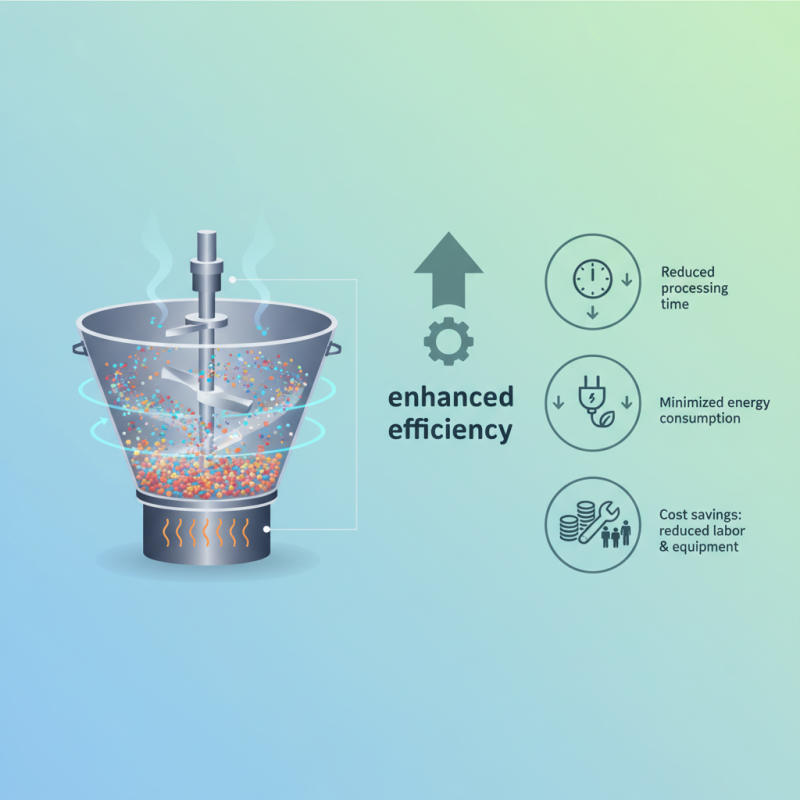
So, how does it work? Well, a Mixer Dryer carefully controls things like temperature, humidity, and the speed of mixing to ensure the final product turns out just right. With more and more focus on making processes smoother and cheaper, this kind of equipment doesn't just improve performance — it actually helps save money too, by cutting down on labor and equipment costs. As industries keep pushing for innovation and better efficiency, the Mixer Dryer has definitely become an essential tool for boosting productivity and keeping operations running smoothly.
Definition of a Mixer Dryer and Its Key Features
A mixer dryer is an essential piece of equipment in various industries, particularly in pharmaceuticals, chemicals, and food processing. It combines the functions of mixing and drying in a single unit, which significantly enhances process efficiency. The key advantage lies in its ability to uniformly mix and simultaneously dry materials, ensuring consistent product quality. According to a report by the International Journal of Chemical Engineering, utilizing mixer dryers can lead to a 30% reduction in processing time compared to traditional methods that require separate mixing and drying stages.
Key features of mixer dryers include adjustable drying temperatures, continuous feed operations, and versatile mixing capabilities. These machines often come equipped with advanced controls that allow for precise regulation of parameters, ensuring optimal processing conditions. Furthermore, the use of a vacuum can prevent oxidation and preserve the integrity of heat-sensitive materials. Industry analysts project that the adoption of mixer dryers could increase production efficiency by up to 50%, highlighting their growing importance in modern manufacturing processes.
Tips: When selecting a mixer dryer, consider factors such as the material properties, batch size, and the required level of automation. Conducting a thorough assessment of these elements can lead to improved operational efficiency and lower energy consumption. Additionally, regularly maintaining the equipment can extend its lifespan and ensure consistent performance.
Types of Mixer Dryers and Their Applications in Industries
Mixer dryers are essential equipment within various industries, combining the functions of mixing and drying materials in a single process. These machines have been widely adopted in sectors such as food and beverage, pharmaceuticals, and chemical manufacturing, thanks to their efficiency and versatility. According to a recent industry report, the global mixer dryer market is expected to reach USD 3.5 billion by 2026, growing significantly as industries seek more integrated solutions to enhance production processes.
In the food and beverage industry, mixer dryers are utilized for the processing of powders and granular materials, ensuring uniformity and maximum moisture removal. For example, in the production of instant coffee, a mixer dryer can efficiently blend coffee grounds with other components before drying them, allowing for high-quality end products. Similarly, in pharmaceuticals, they are employed to create homogeneous mixtures where precise moisture content is critical for drug formulation.
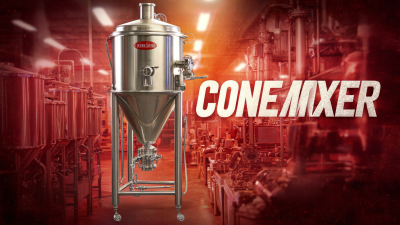
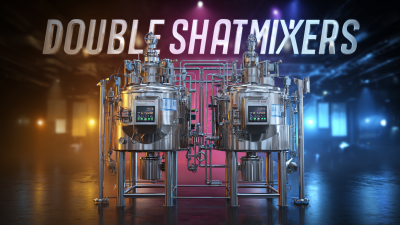
Different types of mixer dryers, including vacuum, double cone, and Paddle Mixers, cater to specific industrial needs.Vacuum Mixer dryers are favored in industries where temperature sensitivity is crucial, allowing materials to dry under reduced pressure to prevent thermal degradation. Paddle mixers, on the other hand, are commonly used in chemical processing for their ability to handle viscous materials and promote effective heat transfer. As industries continue to evolve, the demand for mixer dryers that enhance process efficiency remains a driving force for innovation and development in manufacturing techniques.
The Working Principle of Mixer Dryers Explained
Mixer dryers are essential pieces of equipment in various industries, particularly in the pharmaceutical, food, and chemical sectors. They streamline the processing of materials by integrating both mixing and drying functions, thereby enhancing overall process efficiency. The working principle of mixer dryers involves the simultaneous mixing and drying of materials using a combination of mechanical and thermal energy. The equipment typically features a rotating vessel where materials are subjected to intense agitation while heat is applied, facilitating rapid moisture removal.
According to industry reports, mixer dryers can reduce processing times by up to 50% compared to traditional methods, making them a preferred choice for manufacturers aiming to improve production efficiency. The uniform mixing and effective heat transfer within the mixer dryer ensure that materials reach the desired moisture level consistently, leading to higher quality end products.
Tips: When selecting a mixer dryer, consider the material properties and the specific requirements of your process. Conducting a thorough analysis of anticipated batch sizes can help optimize energy and time efficiency. Additionally, proper maintenance of the mixer dryer is crucial to ensure consistent performance and longevity, helping to avoid costly downtimes in production.
Advantages of Using Mixer Dryers for Process Efficiency
Mixer dryers are essential equipment in various industrial processes, particularly in the pharmaceutical, food, and chemical sectors. They combine the functions of mixing and drying materials, which significantly improves process efficiency. By integrating these two operations into one machine, mixer dryers reduce the need for multiple pieces of equipment, thereby streamlining the production process. This consolidation saves valuable floor space and minimizes the capital investment needed for processing equipment.
Another key advantage of using mixer dryers is their ability to enhance product consistency and quality. The uniform mixing achieved ensures that every particle within the mixture is treated identically, which is critical in applications where precise formulations are necessary. Furthermore, the controlled drying process locks in moisture levels, resulting in products that meet specific moisture content standards. This precision not only minimizes wastage but also leads to better product shelf life and performance, contributing to overall operational efficiency. The versatility of mixer dryers to handle a wide range of materials and adapt to varying production scales further solidifies their role as a vital component in enhancing industrial process efficiency.
Challenges and Limitations of Mixer Dryers
Mixer dryers are widely recognized for their efficiency in blending and drying materials within various industries. However, despite their advantages, there are notable challenges and limitations that users must consider. One significant concern is the energy consumption associated with mixer dryers. According to a report by the Global Energy Management Consortium, mixer dryers can account for up to 30% of total energy usage in certain manufacturing processes. This high energy demand can lead to increased operational costs, prompting companies to seek more energy-efficient alternatives.
Another challenge lies in the complexity of the mixing and drying processes. Achieving homogeneity in mixed products can be difficult, particularly when dealing with materials of varying physical properties. A study from the Chemical Engineering Research and Design journal highlights that improper mixing can lead to inconsistent product quality, resulting in up to 15% material waste during production runs. Moreover, the maintenance of mixer dryers can be labor-intensive and costly. Regular inspections and repairs are essential to ensure optimal performance, which can further strain resources, especially for smaller operations with limited budgets.
Lastly, heat-sensitive materials can pose a limitation for mixer dryers. The intense heat generated during the drying process may degrade certain ingredients, thus affecting the overall quality of the final product. As described in the Industry Innovations Report, businesses must balance the benefits of quick drying times with the potential risk of compromising material integrity. Understanding these challenges is crucial for stakeholders aiming to maximize efficiency while minimizing possible setbacks in their production processes.
Best Practices for Operating Mixer Dryers Effectively
To operate mixer dryers effectively, it's essential to understand the importance of proper loading and monitoring throughout the process. Overloading a mixer dryer can lead to inefficient mixing and drying, while underloading may result in wasted energy and time. The balance between the product volume and the equipment's capacity must be maintained to optimize performance. Regular monitoring of both temperature and humidity levels ensures that the desired moisture content is achieved uniformly, preventing product degradation and ensuring consistency in quality.
Another best practice is the implementation of a systematic maintenance schedule. Regular maintenance checks help in identifying wear and tear in the components of the mixer dryer, reducing the likelihood of unexpected breakdowns. It's also vital to keep the machine clean, as residue from previous batches can contaminate new products and affect drying efficiency. Training operators in the nuances of the equipment can significantly enhance both efficiency and safety, allowing them to make adjustments as necessary and troubleshoot any arising issues promptly.
By adhering to these practices, facilities can maximize the benefits of mixer dryers, driving productivity and ensuring high-quality outputs.
Future Trends in Mixer Dryer Technology and Innovation
The mixer dryer, a versatile equipment used in various industries, is undergoing significant innovations that enhance its efficiency and adaptability. As manufacturing processes become increasingly complex, the demand for more sophisticated mixing and drying solutions is on the rise. Recent trends focus on integrating advanced technologies such as IoT (Internet of Things) and AI (Artificial Intelligence) within mixer dryers. These technologies enable real-time monitoring and control, allowing for optimized processing conditions and reduced operational costs. Additionally, the incorporation of data analytics can provide insights into process performance, leading to continuous improvement and increased yields.
Furthermore, there has been a shift towards sustainable practices in mixer dryer technology. Innovations in energy efficiency and material recovery are increasingly prioritized to minimize environmental impact. Modern mixer dryers are being designed with energy-efficient heating systems and enhanced insulation, decreasing energy consumption significantly. Additionally, advanced materials that withstand higher temperatures and corrosive environments are being used, extending the life of the equipment and reducing maintenance costs. Through these trends, mixer dryer technology is not only enhancing process efficiency but also aligning with global sustainability goals, ensuring that the industry continues to evolve responsibly.
Mixer Dryer Process Efficiency Comparison
This bar chart illustrates the process efficiency improvements achieved through different innovations in mixer dryer technology over the past years. The data compares operational efficiency (measured in percentage) across various technological advancements.
FAQS
: A mixer dryer is a piece of equipment used in various industries to combine the functions of mixing and drying materials in a single unit, enhancing process efficiency and ensuring consistent product quality.
The key advantages include the ability to uniformly mix and simultaneously dry materials, which leads to significant reductions in processing time compared to traditional methods.
Utilizing mixer dryers can lead to a reduction in processing time of up to 30% compared to separate mixing and drying stages.
When selecting a mixer dryer, consider material properties, batch size, required automation level, and the machine's adjustable drying temperatures and continuous feed operations.
Advanced technologies like IoT and AI are integrated into modern mixer dryers for real-time monitoring and control, optimizing processing conditions and reducing operational costs.
Sustainability is being prioritized through innovations in energy efficiency, utilizing energy-efficient heating systems, enhanced insulation, and advanced materials that withstand high temperatures.
Regular maintenance can extend the lifespan of mixer dryers and ensure consistent performance, reducing the likelihood of unexpected downtime.
Industry analysts project that the adoption of mixer dryers could increase production efficiency by up to 50%, reflecting their growing importance in manufacturing processes.
The use of vacuum in mixer dryers can prevent oxidation, which helps in preserving the integrity of heat-sensitive materials during processing.
Data analytics offer insights into process performance, leading to continuous improvement in operations and increased yields in production.
Conclusion
A Mixer Dryer is a versatile equipment used in various industries to combine and dry materials efficiently. It operates by integrating mixing and drying processes into a single unit, which enhances overall process efficiency. Key features of Mixer Dryers include adjustable mixing speeds and temperature controls, allowing for tailored processing. Different types of Mixer Dryers are available, each suited for specific applications such as pharmaceuticals, food production, and chemical manufacturing.
The working principle of Mixer Dryers involves the continuous movement of materials, enabling uniform mixing and effective heat transfer for drying. While these devices offer significant advantages, including reduced processing time and improved product consistency, there are challenges, such as maintenance and potential scale-up issues. To maximize efficiency, it is crucial to follow best practices in operation. Future trends indicate ongoing advancements in Mixer Dryer technology, focusing on automation and energy efficiency, promising to further enhance their role in industrial processes.