You know, the agricultural industry is always changing, and right now, there’s a huge need for top-notch animal feed. In fact, reports say the global animal feed market is on track to hit a whopping USD 648.2 billion by 2025! Now, a big part of making that happen is something called the Feed Ingredients Mixer. This piece of equipment is super important because it really boosts how well we can mix and ensure the feed is consistent.  Then there's Shuanglong Group Co., Ltd., who really stand out with their cutting-edge mixing solutions. They're all about blending advanced tech with good old-fashioned support to make sure our machines are top-tier in efficiency and reliability. Plus, we've got a fantastic team of over 150 folks working hard at our manufacturing hub in Shanghai, and we're all about providing mixing solutions that really cater to what our clients need. We want to be your go-to partner as you navigate this competitive agricultural scene!
Benefits of Advanced Feed Mixing Techniques in Animal Nutrition
You know, when it comes to animal nutrition, we really can't underestimate how important advanced feed mixing techniques are. Mixing high-quality feed is key to getting the most out of nutrients for our livestock. A recent report from the National Animal Feed Association (NAFA) highlights that if we use precise mixing technologies, we could see a boost in feed consistency that might increase feed efficiency by 10 to 15%. That’s pretty impressive! It means healthier animals and, in the long run, it leads to better production of meat, milk, and eggs, which is what we all want, right?
Plus, with these cutting-edge mixers, we can ensure that vitamins, minerals, and other essential ingredients are spread out evenly. This way, every animal gets a balanced diet, and that’s super important. The Journal of Animal Science even pointed out that animals fed with well-mixed rations tend to waste up to 20% less feed. Now, that’s a huge win! Not only do these advancements help us make the most of our ingredients, but they also promote sustainable farming by lowering overall feed costs. So, honestly, if you're thinking about investing in a top-notch feed ingredients mixer, it could really elevate your livestock operations by boosting both nutrition and the profitability of your farming.
Impact of Ingredient Uniformity on Livestock Performance and Health
 You know, getting those feed ingredients mixed just right is really important for keeping our livestock healthy and performing well. When the feed is blended properly, the animals tend to get a balanced diet that can totally affect how quickly they grow, how well they reproduce, and just their overall well-being. On the flip side, if the feed isn’t consistent, it could lead to some serious nutritional issues—too much or too little of something they need—and nobody wants that, right? It could really set back productivity. So, investing in a solid Feed Mixer is a smart move. It can make a world of difference in achieving that uniform feed, ensuring each critter gets the nutrients they need to thrive.
Here are some handy tips for nailin’ that ingredient uniformity:
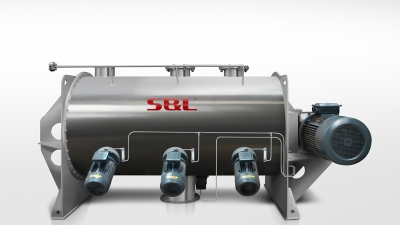
- Pick the Right Mixer: Go for a feed mixer that fits your needs. Whether you need a horizontal, vertical, or Paddle Mixer, each has its perks depending on what you’re mixing.
- Keep It Maintained: Don’t forget to regularly check your feed mixer and keep it calibrated. It’ll help you get the best results every time!
- Check That Mix: Make it a point to test the feed for consistency. If you spot any inconsistencies, tweak your mixing times or methods to keep things on point.
By honing in on that ingredient uniformity with effective mixing, livestock producers can boost not just their animals' health but also their productivity levels. It just makes sense!
Evaluating Mixer Efficiency: Key Metrics & Their Significance
When it comes to mixing feed just right, understanding how well your mixer performs is super important if you want to consistently produce high-quality feed. There are some key things to consider, like how long the mixing takes, how uniform the mix is, and how much energy it uses—these details give you a solid picture of how your feed mixer is doing. A report from Feed Strategy in 2021 pointed out that keeping the mixing uniformity coefficient below 10% is really important for the nutritional quality of the feed. This can have a big effect on how well your livestock grows. Tools like the Coefficient of Variation (CV) are really handy for feed producers; they help make sure every batch meets the exact standards that keep animals healthy and productive.

Another thing to keep in mind is energy efficiency. It’s a big deal because it can really affect your production costs. According to research from the American Society of Agricultural and Biological Engineers, making some tweaks in mixer design can save you up to 20% on energy. So, when producers choose the right mixer for their feed ingredients, it’s not only about working smarter but also about doing their part for sustainability in the industry. In the end, keeping an eye on these metrics is key. It helps feed manufacturers fine-tune their processes and ultimately improve the quality of their products, which means better results for the animals and the producers too.
Cost Savings Through Optimal Feed Ingredient Utilization
You know, in the super competitive world of feed production, it’s really important to find ways to save costs, especially when it comes to using feed ingredients wisely. Some recent studies show that if you're mixing feed efficiently, you could actually cut ingredient costs by as much as 20%! It's all about using every bit of your ingredients to their maximum potential—nobody wants waste, right? Plus, when you get that mixing just right, you end up with better overall feed performance. Using advanced mixers can be a real game changer. They help achieve that consistent blend quality, which means you can get the right nutritional ratios while also keeping your costs down.
And get this—bringing in tech for the mixing process can make a huge difference in efficiency. A report from the Feed Ingredients Association mentioned that businesses that switched to automated mixing systems saw a whopping 30% boost in their production throughput! That’s not just about keeping labor costs low either; better ingredient distribution means you’re going to end up with higher quality feed. So, as more producers start adopting these high-tech solutions, perfecting feed mixing is really becoming essential for staying profitable and competitive out there in the market.
The Role of Technology in Modern Feed Mixing Solutions
You know, in the fast-changing world of feed mixing, technology really makes a big difference when it comes to boosting efficiency and getting those ingredients just right. Today’s feed mixers, especially the ones with automated systems, are built to cut down on human mistakes and keep things consistent. I’ve heard that the global market for feed mixing equipment is on a serious upswing, expected to grow at over 5% a year from 2021 to 2028. This trend is largely driven by the increasing need for top-notch animal feed and some cool new mixer designs—like rail-guided and conveyor systems—that really streamline the mixing process.
And it doesn’t stop there! The latest software advancements for feed formulation are really shaking things up. With these tools, producers can check ingredient compatibility and nutritional profiles way more effectively, helping ensure livestock get the balanced diet they need. As the industry moves toward more automated setups, experts are buzzing about self-propelled mixers that really ramp up mobility and efficiency on farms. By weaving these clever technologies into the feed mixing process, businesses can adapt better to market demands and sustainability challenges, which ultimately keeps the food supply chain running smoothly and more productively.
Comparative Analysis of Mixer Types: Choosing the Right Equipment for Your Needs
So, when you're on the hunt for the right feed mixer, it’s super important to think about the different types out there and how well they work. Take horizontal feed mixers, for example—they’re pretty awesome at mixing things quickly, usually between 1.5 to 10 minutes, and they spin at speeds of 40 to 80 rpm. Not only do they mix things really well, but they’re also quite energy-efficient, using around 0.9 to 3.8 kWh per mix. Getting a handle on these details can really help you fine-tune your mixing process!
Here’s a tip for picking the right mixer: be sure to check the specific needs of your feed ingredients and what you’re aiming to achieve in production. It’s worth finding mixers that let you adjust the speed and mixing time because, let’s be honest, different materials need different treatments. Plus, don’t underestimate the energy efficiency of the machines—choosing ones that cut down on energy use while still cranking out great performance can really benefit your operations in the long run.
And hey, keep an eye on the cool new stuff coming out in mixing technology! Things like planetary and helical ribbon mixers are designed to be super energy-efficient, and they tackle high-viscosity fluids like champs. Investing in modern mixers with these features can really boost your productivity and help lower your costs over time.
Solutions for Optimal Feed Mixing
This bar chart compares the efficiency ratings of different types of feed mixers based on their performance. The ratings are subjective and are intended to help in choosing the right equipment for optimal feed mixing.
Maximizing Efficiency in Manufacturing: The Role of Plough Share Mixers in Modern Production Processes
In today's competitive manufacturing landscape, maximizing efficiency through advanced mixing technologies is essential. The Plough Share Mixer stands out as a key player in modern production processes, designed to meet the rigorous demands of various industries. Its high-performance mixing capabilities, characterized by diverse agitator options and a high-speed chopper, ensure not only uniform blending of materials but also the effective breaking of lumps. According to a recent industry report by MarketsandMarkets, the global industrial mixer market is projected to grow substantially, driven by the increasing need for efficiency and quality in manufacturing processes.
The versatility of the Plough Share Mixer allows it to cater to a wide range of applications, from the food and pharmaceutical sectors to chemicals and plastics. It features a unique retractable rotor design, enabling a fully clean operation that enhances hygiene standards — a crucial factor in industries where contamination must be avoided. Additionally, with options like ceramic lining for abrasive materials and a replaceable plough head, the Plough Share Mixer is not only adaptable but also cost-effective, offering long-term benefits for manufacturers looking to optimize their production setups.
Furthermore, the incorporation of a liquid spraying nozzle ensures that additives can be evenly distributed throughout the mixture, enhancing the quality of the final product. This efficiency can lead to reduced processing times and lower energy consumption, aligning with the increasing emphasis on sustainable manufacturing practices. As companies strive to achieve higher efficiency rates, investing in innovative mixing equipment like the Plough Share Mixer could be the game-changer needed to stay ahead in the market.
FAQS
: Ingredient uniformity ensures that animals receive a balanced diet, which influences their growth rates, reproductive capabilities, and overall well-being. Inconsistent feed may lead to nutritional deficiencies or excesses, jeopardizing livestock productivity.
Choose a feed mixer that suits your specific needs, considering types such as horizontal, vertical, or paddle mixers, each offering different advantages in mixing efficiency and ingredient suitability.
Regular maintenance and calibration of your feed mixer are essential to maximize its mixing efficiency and ensure uniform results every time.
It is advisable to regularly test the feed for uniformity. This helps identify discrepancies that may require adjustments in mixing times and methods to maintain consistent results.
Efficient feed mixing can reduce ingredient costs by up to 20% by maximizing the potential of every ingredient, minimizing waste, and enhancing overall feed performance.
The adoption of automated mixing systems can lead to significant efficiency gains, with reports showing a 30% increase in production throughput, ultimately driving down labor costs and improving ingredient distribution.
Advanced feed mixers provide consistent mixing quality and allow for precise blending ratios that meet nutritional specifications, which lowers operational costs and enhances feed quality.
By focusing on ingredient uniformity through effective mixing, producers can enhance animal health and improve overall productivity.
Consistent mixing ensures that the precise nutritional specifications are met, which is crucial for the optimal performance of livestock.
High-quality feed mixers enhance the uniformity of feed, ensuring that each animal receives the necessary nutrients for optimal growth and health, ultimately supporting productivity and profitability.