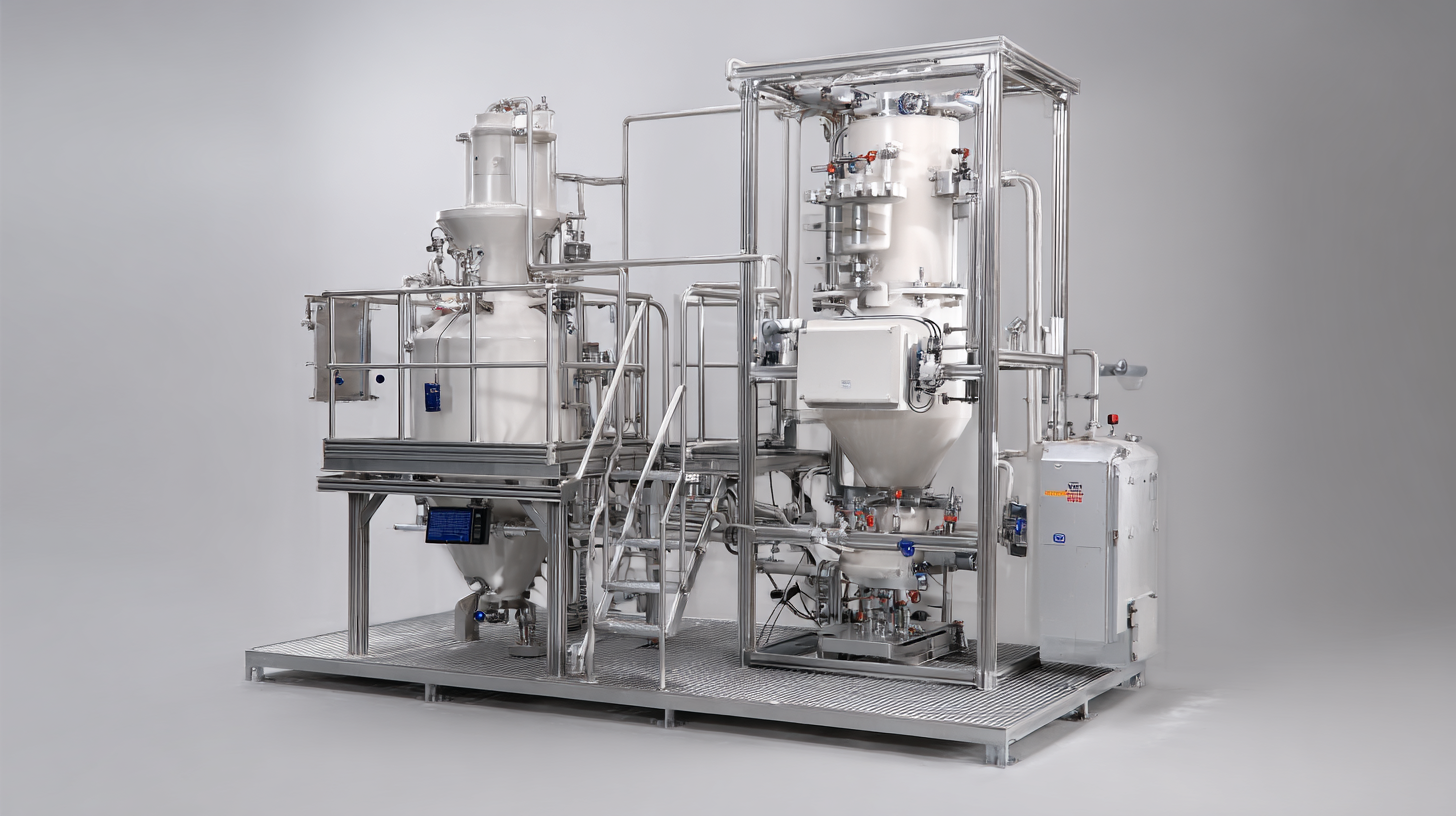
If you're serious about getting the most out of your operations, then really focusing on optimizing your Dry Powder Blender Mixer is a must. After all, the way your equipment performs directly affects the quality of your finished products and how smoothly everything runs. At Shuanglong Group Co., Ltd., we totally get that. With a team of over 150 experts based in our Shanghai facility, we’re constantly pushing the envelope—using advanced tech and years of industry know-how—to help improve your mixer’s performance. This guide is packed with practical tips and easy strategies to help you fine-tune your equipment. The goal? Making sure it works at its best, reliably, every single time. As your go-to partner for mixing solutions, we’re here to help you unlock the full potential of your processes and keep things running like clockwork.
Identifying Key Factors Affecting Blender Mixer Performance
When you're working on improving the performance of a dry powder blender, it's really important to know what factors actually make a difference. One big thing to pay attention to is the design of the mixing chamber itself. A well-designed chamber can help spread out the materials evenly, cut down on those tricky dead zones, and make the flow a lot smoother. It’s also super important to make sure the shape and size of the mixer actually match the powders you're working with. Things like particle size, shape, and density really affect how well everything blends together. Tweaking these details can lead to a better, more consistent mix and usually saves some time too.
Another key point is the speed at which you run the mixer. The whole quality and consistency of the blend can change pretty a lot depending on how fast the blades or paddles spin. Cranking up the speed might speed things up, but it can also generate too much heat or shear forces, which isn't great if your ingredients are delicate. On the flip side, running things a bit slower might take longer, but it keeps fragile powders intact. Don’t forget, keeping an eye on the moisture content in your powders is crucial as well—moisture affects how particles interact during mixing. By paying attention to all these little things, you can really fine-tune your dry powder blending process for better results and efficiency.
Regular Maintenance Practices to Enhance Mixer Efficiency
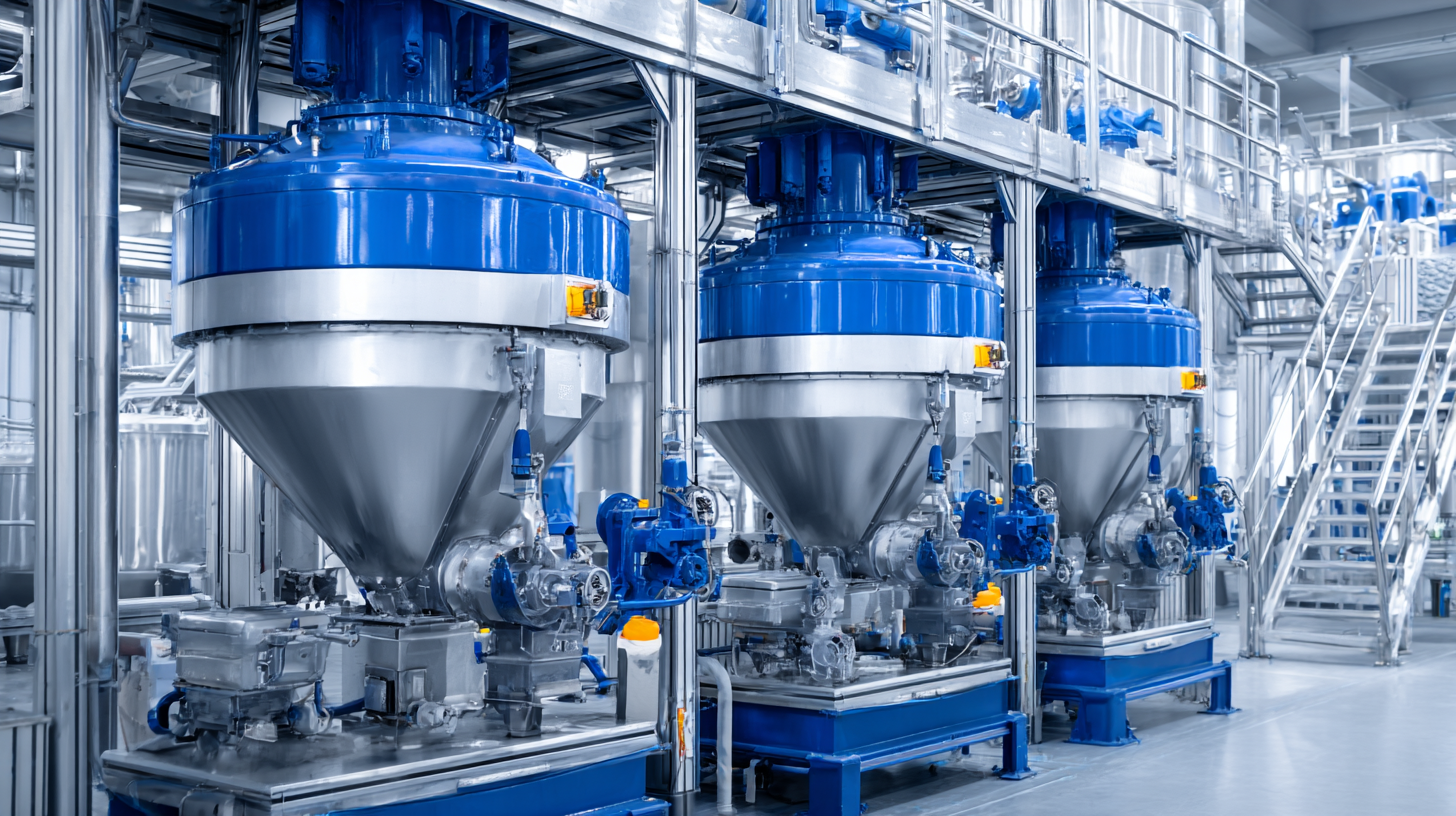 Keeping up with regular maintenance is really key if you want your dry powder blender mixer to work efficiently. I’d say start by doing routine inspections—you know, check for any wear and tear on parts like the blades, seals, and motors. Catching issues early on can save you a bunch of headaches later on and helps keep the mixer running smoothly. Don’t forget about lubrication too; grease up those moving parts to cut down on friction, save some energy, and make sure your machine lasts longer.
And honestly, cleanliness is a big deal. If residue builds up, it can mess with the blending process and give you inconsistent results. So, make it a habit to clean after each use—just use the right cleaning agents so you don’t damage anything. Also, it’s worth scheduling regular calibrations to keep everything operating within the right standards. When you prioritize these maintenance steps, you’ll not only boost the performance of your mixer but also extend its lifespan. Trust me, a little effort goes a long way!
Best Practices for Material Loading and Mixing Techniques
Getting the loading and mixing just right in dry powder blenders really makes a big difference — not only in how efficient the process is but also in ensuring you get a uniform, high-quality product. From what industry folks have found, loading your materials properly can totally affect the way everything mixes. For example, research from the American Institute of Chemical Engineers (AIChE) suggests that layering the materials during loading helps distribute the powders more evenly. This can cut down the mixing time by about 30%, which is pretty significant. Plus, it helps powders flow better and reduces the chances of segregation during the process, so everything stays consistent.
And it’s not just about how you load — picking the right mixing methods really counts. A survey published in the Powder Technology Journal shows that mixers combining gravity and mechanical action can hit over 95% efficiency, which is quite impressive. Also, you really wanna pay attention to how fast and how long you mix — overdoing it can actually break down particles, hurting your end product. So, following the manufacturer’s instructions and keeping your mixing just right is the way to go. When you stick to these good practices, you'll notice big improvements in both how quickly you get things done and the consistency of your product.
How to Optimize Your Dry Powder Blender Mixer for Maximum Efficiency
| Parameter | Best Practice | Impact on Efficiency | Common Challenges |
| Material Loading | Use a consistent loading technique | Minimizes settling and segregation | Inconsistent material flow |
| Mixing Time | Optimize based on formulation | Improves uniformity | Overmixing or undermixing |
| Mixer Speed | Adjust for material type | Enhances particle interaction | Inadequate mixing or dust generation |
| Temperature Control | Monitor and maintain optimal temp | Supports material integrity | Heat-sensitive materials |
| Batch Size | Match capacity to production needs | Reduces waste and increases throughput | Overloading or underutilization |
Optimizing Mixer Speed and Time for Ideal Results
When you're working on optimizing a dry powder blender, paying attention to the mixer speed and how long you mix is a big deal if you want good results. I came across a recent report in the International Journal of Powder Metallurgy that suggests mixing speed can really make or break how evenly your blend comes out. Basically, if you're running the mixer too slow, you might not get enough evenness, but crank it way up and you risk damaging the particles. Most folks recommend keeping the speed somewhere between 60 and 80 RPM — it's like finding that sweet spot that gives you enough energy to mix well without messing up your materials.
And then there's the mixing time — this is just as important. Generally, industry experts say most dry powder mixes hit their best consistency anywhere from about 5 to 15 minutes. But honestly, it depends on what you're working with and what your end goal is. Keep an eye on the clock so you don't overdo it, because too much mixing can lead to clumps and mess up the final product. By tweaking both the speed and the time just right, you can really boost your blending process, improve quality, and cut down on waste. It’s all about finding that good balance, you know?
Dry Powder Blender Mixer Optimization Analysis
This chart illustrates the relationship between mixer speed (RPM) and blending time (minutes) for achieving optimal powder consistency. As shown, increasing the mixer speed reduces blending time while maintaining the desired efficiency level.
Utilizing Technology for Monitoring and Adjusting Mixer Operations
These days, with how fast the industrial world keeps changing, making sure dry powder blender mixers are running optimally has become more important than ever—especially when you start talking about monitoring tech. Thanks to fancy sensors and IoT tools, companies can now keep an eye on their mixing processes in real-time. It’s pretty cool because this kind of monitoring not only boosts efficiency but also makes the results more consistent. For example, some studies have shown that using precise monitoring can cut down material waste by around 15%. That really highlights how embracing smart tech can make a difference on the factory floor.
And it doesn’t stop there. Newer systems, like centralized monitoring setups, give operators a clear, overall view of how their mixers are performing. This immediately translates into better efficiency—some reports suggest improvements of up to 20%. By using data to tweak and optimize the process on the fly, manufacturers can keep the mixing conditions just right and even catch potential problems before they turn into bigger issues. All of this tech-driven oversight and proactive approach is a pretty big leap forward, helping factories work smarter, boost productivity, and cut costs down the line.
Training Staff for Effective Use and Troubleshooting of Mixers
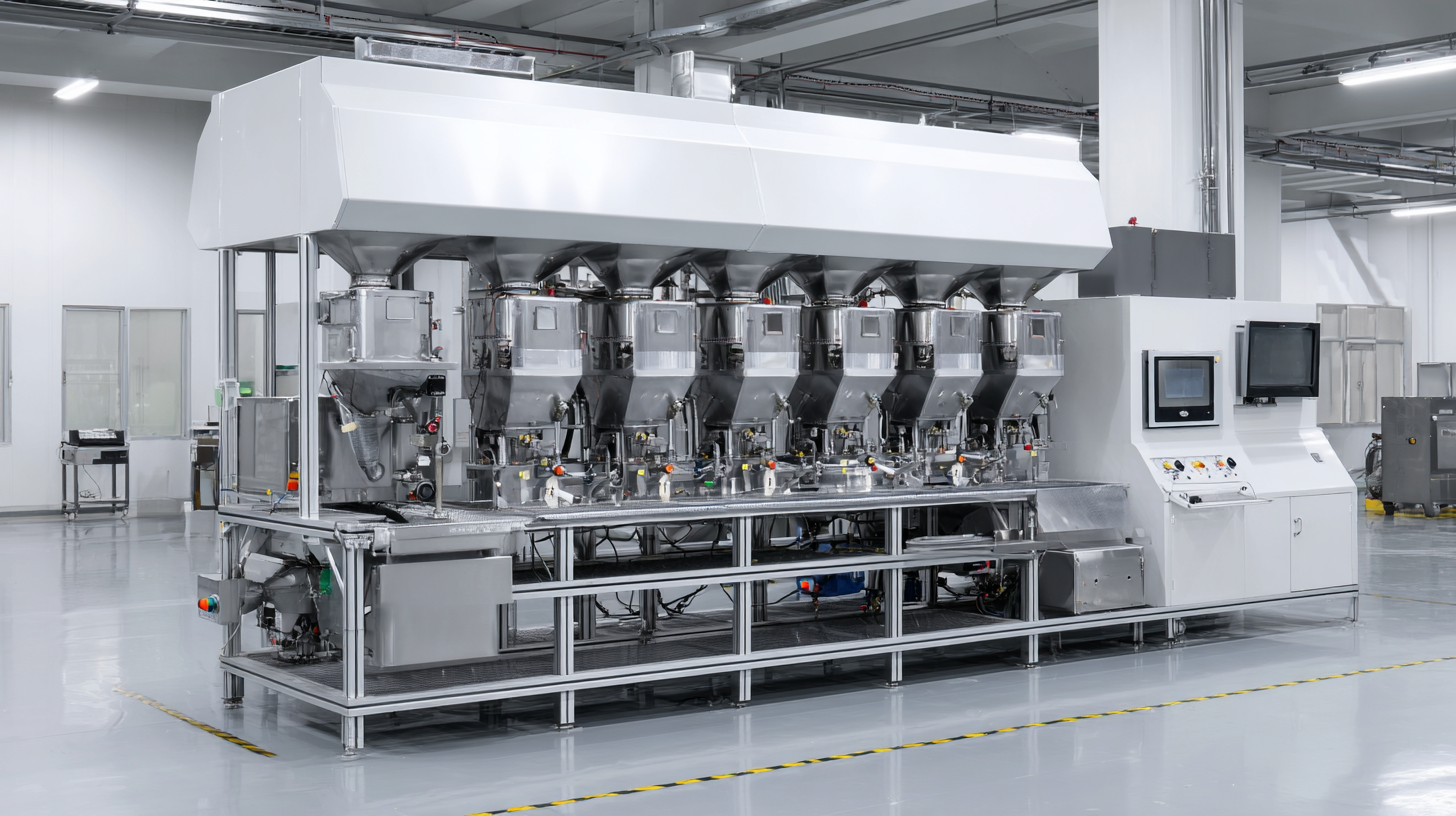 Basically, training your staff well is super important if you want to get the most out of your dry powder blender mixers. When employees know what they’re doing, they can run the machines more smoothly, which means less downtime and fewer mistakes. It's not just about showing them how to operate the equipment—it’s also important to stress why safety rules matter. By helping them get familiar with the different parts and how everything works, they can focus on getting those perfect mixes without worrying about breaking the machine or causing issues.
And don’t forget, it’s a good idea to teach your team some troubleshooting tips too. They should be able to spot common problems—like strange noises, weird vibrations, or uneven mixes—early on. When they catch issues early, they can fix small problems before they turn into big setbacks, keeping the whole process running smoothly. Regular refresher courses and some hands-on workshops are pretty helpful, too. They keep everyone confident and skilled—so the whole operation runs better, wastes less, and everyone feels more capable.
Understanding the Efficiency and Market Trends of Horizontal Ribbon Mixers in the Global Mixing Equipment Sector
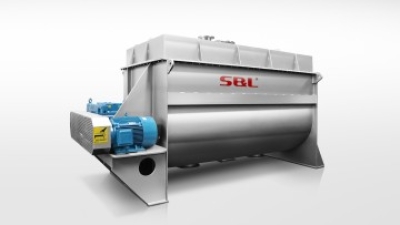
The Horizontal Ribbon Mixer stands out as a pivotal tool in the global mixing equipment sector, especially noted for its efficiency and versatility across a range of industries. Its traditional double ribbon design ensures that materials are mixed uniformly, which is essential in applications where consistency is critical. This gentle mixing action is particularly advantageous for heat-sensitive materials, allowing manufacturers to achieve optimal results without compromising the integrity of their products.
Moreover, the Horizontal Ribbon Mixer accommodates facilities with limited height constraints, providing a solution that does not sacrifice capacity for space. With a variety of sizes available, from compact to extra-large, it caters to diverse production needs. Its paddle-style and discontinuous ribbon design further enhance functionality, ensuring that all materials, regardless of type or texture, are thoroughly blended. As industries evolve, the Horizontal Ribbon Mixer continues to adapt, reinforcing its position as a trusted choice in the mixing equipment landscape.
FAQS
: Regular maintenance is crucial as it enhances the efficiency of the mixer, helps detect mechanical issues early, and ensures optimal performance.
Routine inspections of blades, seals, and motors, lubrication of moving parts, and implementing a strict cleaning schedule are essential maintenance practices.
Cleanliness is imperative because residue build-up can hinder the blending process, lead to inconsistencies in product quality, and diminish overall efficiency.
Loading materials in layers significantly improves powder distribution and can reduce mixing time by up to 30%, also minimizing the risk of segregation.
A combination of gravity and mechanical mixing alongside optimal mixing speeds and durations can achieve a blending efficiency rate exceeding 95%.
Maintaining a mixer speed between 60 and 80 RPM is recommended as it balances energy input with adequate mixing without compromising material integrity.
Most dry powder blends achieve optimal consistency within 5 to 15 minutes of mixing, depending on material properties and desired outcomes.
Over-mixing can lead to particle degradation and the formation of clumps, resulting in inconsistencies in the final product's quality.
By adhering to the manufacturer’s guidelines on mixing speed and duration, manufacturers can realize maximum efficiency and improve product quality.
Lubrication of moving parts reduces friction, minimizes energy consumption, and prolongs the life of the mixer, enhancing its efficiency.
Conclusion
Making sure you optimize your Dry Powder Blender Mixer is pretty much essential if you want to get the most out of your mixing tasks. Things like loading the materials correctly and keeping up with regular maintenance really make a big difference in how well the machine performs. Honestly, taking care of your equipment not only boosts efficiency but can also help it last longer—that’s a win-win, right?
You should also play around with the mixer’s speed and mixing times to fine-tune your results. Plus, using technology to monitor what's happening in real-time can be a game-changer, letting you make quick adjustments when needed. Teaching your team how to operate and troubleshoot the Dry Powder Blender Mixer properly is totally worth it—ensures everyone’s on the same page and the equipment is used to its fullest potential. Here at Shuanglong Group Co., Ltd., we’re all about providing top-notch mixing solutions, backed by skilled pros, so your operations stay smooth and reliable.