Inquiry
Form loading...
You know, efficient industrial drying has really become a big deal across different sectors these days. Companies are always looking for ways to bump up their productivity without gobbling up tons of energy. I read somewhere—like a recent report from the International Drying Association—that around a quarter of manufacturing energy costs actually come from drying processes. Crazy, right? That’s where the Paddle Dryer comes into play. It’s pretty much considered one of the best options out there because it can handle all sorts of materials and helps save on energy by making thermal use more efficient.
Dr. Sarah Thompson, who’s pretty much an expert in thermal processing tech, puts it simply: “The Paddle Dryer isn't just good at transferring heat—it also mixes and stirs really well, leading to uniform drying and actually helps cut down on operational costs.” Her point really drives home how the Paddle Dryer stands out compared to old-school methods. Plus, as industries are under more pressure to be sustainable and efficient, this kind of equipment is really gaining ground.
As companies keep shifting to meet new production challenges, the Paddle Dryer is becoming a go-to tool for making drying smarter—using less energy and improving overall product quality. With all the cool tech and smart design it incorporates, it’s pretty clear that Paddle Dryers are paving the way for a greener, more efficient future in industrial drying.
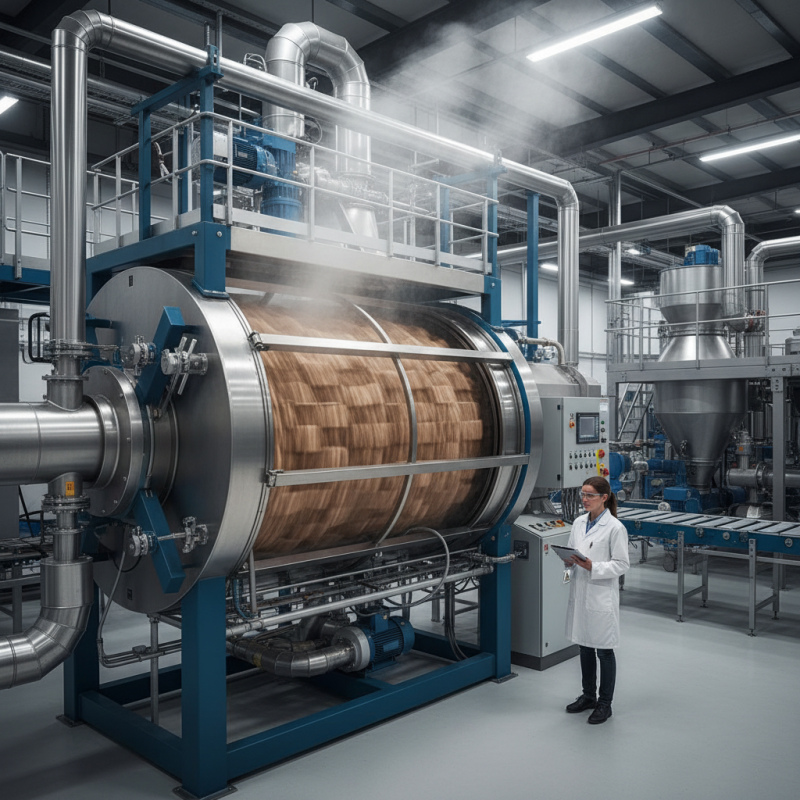
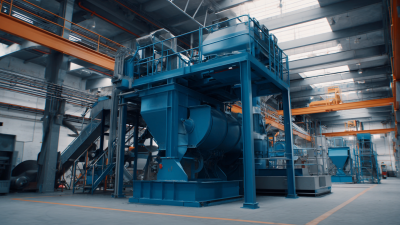
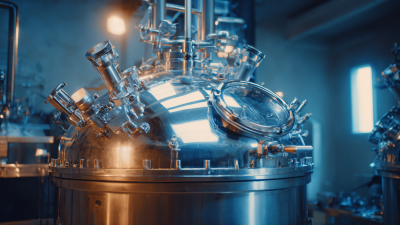
The paddle dryer is a unique piece of equipment designed specifically for efficient thermal drying processes in various industries. At its core, the paddle dryer consists of a series of heated paddles that rotate within a drum, effectively transferring heat to the material being dried. This design facilitates uniform heat distribution, ensuring that the product is evenly dried throughout the process. The movement of the paddles also promotes constant mixing, which helps to minimize dead spots where moisture might persist, leading to a more consistent and high-quality end product.
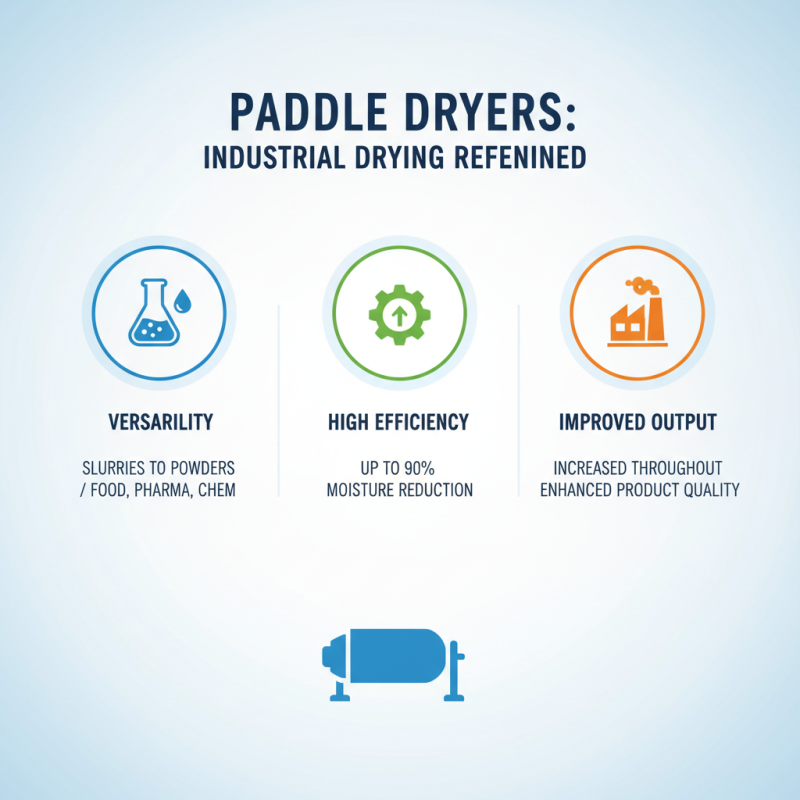
In addition to its effective design, the functionality of the paddle dryer allows for versatility across different materials. It can handle a wide range of feedstocks, from slurries to pastes, and is ideal for drying viscous materials. The controlled environment of the paddle dryer also means that it can operate at lower temperatures, reducing the risk of thermal degradation of sensitive materials. This adaptability makes it a preferred choice for industries such as food processing, pharmaceuticals, and chemicals, where maintaining product integrity while achieving efficient drying is essential.
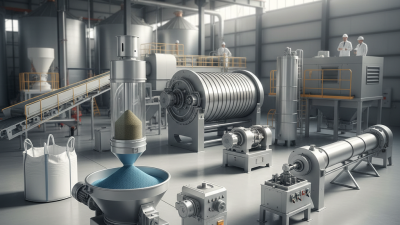
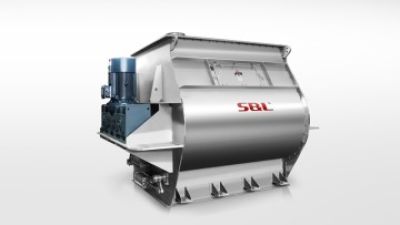
In recent market research focused on powder processing efficiency, the Double Shaft Paddle Mixer has emerged as a pivotal solution for industries seeking enhanced mixing performance. Engineered with synchronized dual shafts and adjustable paddle angles, this type of mixer not only accelerates blending but also optimizes material handling processes. According to industry reports, such mixers can reduce mixing time by up to 30%, addressing the increasing demand for rapid production cycles, particularly in sectors like food processing and construction materials.
The versatility of the Double Shaft Paddle Mixer makes it suitable for various applications, especially within 3-in-1 instant coffee production lines. The design features a wear-resistant and heavy-duty construction, which ensures longevity and reliability under strenuous conditions. Notable innovations include a bomb door for rapid discharging, replaceable paddles for dry mortar applications, and a patented lump breaker, all of which contribute to efficient operation. The optimized mixing effect caters to materials with significant disparities in loading rates, ensuring a consistent quality output while maintaining operational efficiency.
Moreover, the retractable rotor design enables complete cleaning after processing, minimizing contamination risks and supporting stringent hygiene requirements prevalent in food industries. These enhancements reflect a broader trend in powder processing where efficiency, adaptability, and cleanliness are paramount, echoing insights from recent studies that highlight the evolving landscape of production methodologies across different sectors.
: The primary function of a paddle dryer is to efficiently dry various materials through a series of heated paddles that rotate within a drum, promoting uniform heat distribution and mixing to minimize moisture retention.
Paddle dryers are versatile and can handle a wide range of materials, including slurries, pastes, and viscous substances, making them suitable for industries like food processing, pharmaceuticals, and chemicals.
Paddle dryers can reduce energy consumption by up to 30% compared to traditional drying methods, such as rotary and fluidized bed dryers, making them more efficient for industrial drying processes.
Paddle dryers maintain uniform temperature distribution and can operate at lower temperatures, which helps to reduce the risk of thermal degradation in thermally sensitive materials.
To optimize performance, it is important to accurately assess the moisture content of materials prior to drying and invest in a reliable maintenance plan to ensure consistent operations.
Routine maintenance should include inspections of seals, bearings, and heating elements, along with regular cleaning of paddles and interior surfaces to prevent material buildup and ensure even drying.
Maintaining optimal temperature and pressure settings enhances drying performance and prolongs the lifespan of the equipment, making it crucial for operators to monitor and adjust these parameters based on material characteristics.
Paddle dryers can achieve moisture removal rates of 0.5 to 3 tons per hour per square meter of heating surface, significantly outperforming many other drying methods.
Consistent maintenance is crucial as it ensures reliable performance and minimizes downtime, helping industries maximize the utility and efficiency of their paddle drying equipment.
Paddle dryers are vital equipment in industrial drying processes due to their unique design and functionality, which promote efficient heat transfer and moisture removal. These dryers utilize a series of heated paddles that agitate the material, ensuring uniform drying and reducing processing times compared to traditional methods. Their operational efficiency is further enhanced by the ability to handle a wide range of materials, making them versatile for various applications across multiple industrial sectors, such as food processing, pharmaceuticals, and chemicals.
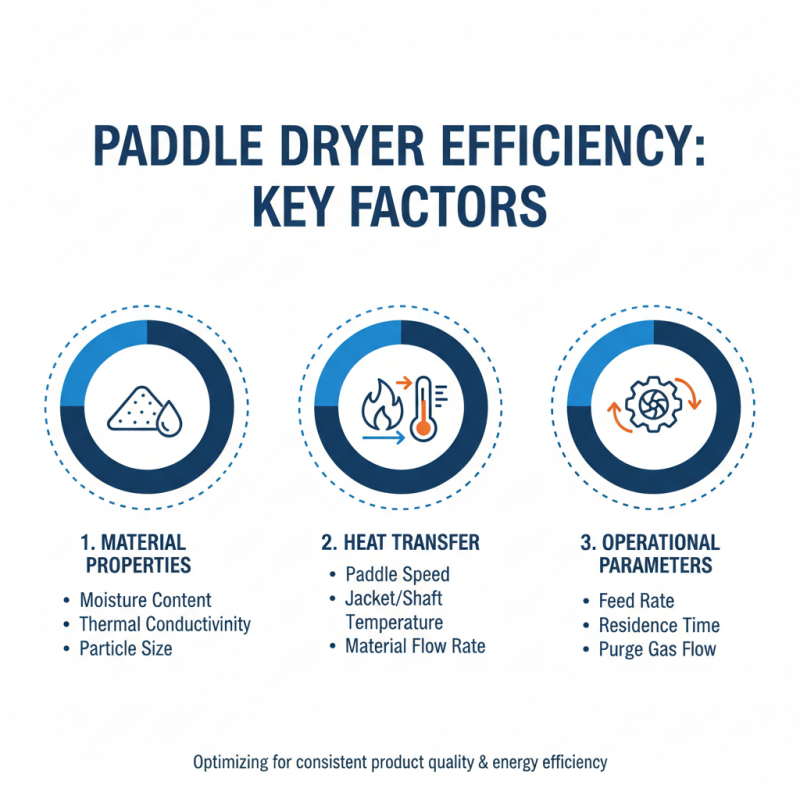
Moreover, the performance of paddle dryers can be influenced by factors such as material characteristics, operational parameters, and environmental conditions. To ensure optimal performance and longevity, regular maintenance is essential. By adopting paddle dryers, industries can achieve significant improvements in drying efficiency, ultimately leading to cost savings and enhanced product quality.