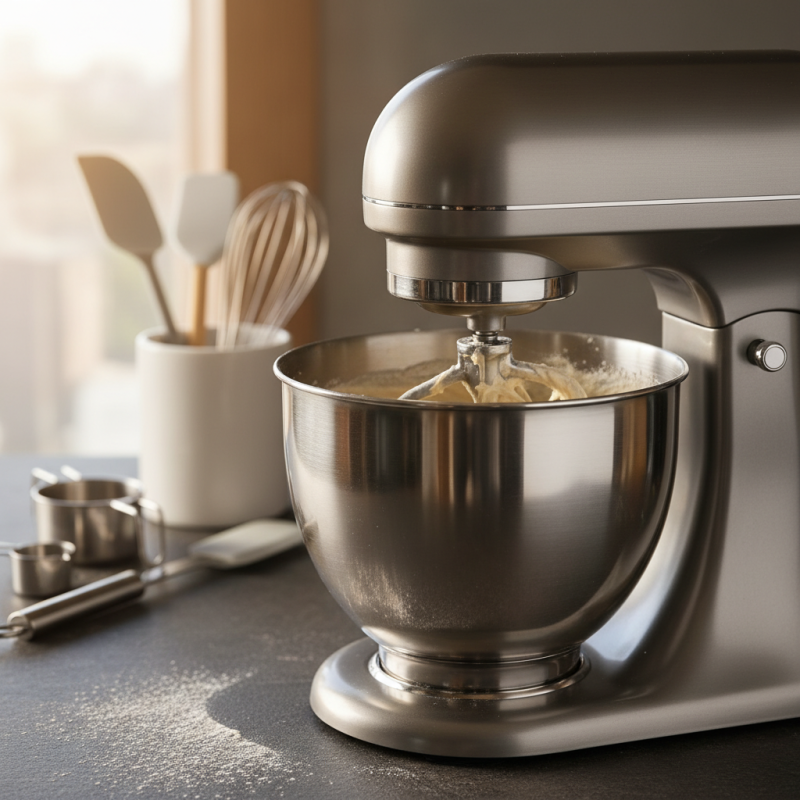
When it comes to kitchen gadgets, the Stainless Steel Mixer really catches your eye for being sturdy and efficient. It’s this handy tool that both professional chefs and home cooks rely on — it just makes things like kneading dough or whipping cream so much easier. The combo of solid build and versatile features makes it a popular pick for many. That said, not all models are the same.
A lot of folks have run into issues, from inconsistent mixing to motor hiccups. These kinds of problems just show how important it is to pick a reliable Stainless Steel Mixer. Things like power, size, and design really matter when it comes to how well it performs. Knowing what to look for can make your experience a lot smoother.
Getting a good quality Stainless Steel Mixer can really up your cooking game. But, even the fancy, high-end ones need regular care to keep them running smoothly. It’s all about understanding what you really need and choosing the right model. If you take a bit of time to make an informed decision, not only will your cooking turn out better, but you might actually enjoy the whole process even more.
What is a Stainless Steel Mixer?
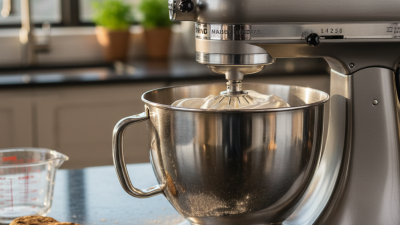
A stainless steel mixer is an essential tool in many kitchens and industrial settings. It is designed to blend ingredients efficiently. This mixer often features a sleek design made from durable stainless steel, providing both functionality and aesthetic appeal. The material is resistant to rust and corrosion, ensuring longevity. Many users appreciate its easy-to-clean surface, which saves time after cooking.
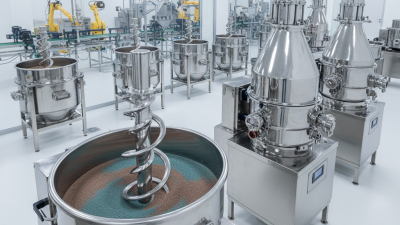
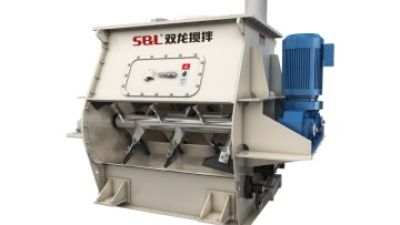
The Stainless Steel Ribbon Mixer specifically uses a unique ribbon-shaped agitator. This design helps to distribute materials evenly during mixing. The ribbons move around a central shaft, creating a shearing action. This results in a consistent mixture, ideal for doughs or batters. Some users note that achieving the perfect blend takes practice. The mixer may require adjustments in speed or mixing time to achieve the desired result. Observing these nuances can make a significant difference in the final product.
Despite its advantages, not all stainless steel mixers perform equally. Some might struggle with larger batches, while others may not mix uniformly. These imperfections can be frustrating, leading to reflections on the need for experimentation. Each kitchen has its unique requirements, making it essential to find the right model that addresses specific needs effectively.
Stainless Steel Mixer Performance Comparison
This chart illustrates the performance specifications of a typical stainless steel mixer across various dimensions, including speed, power consumption, volume capacity, weight, and noise level.
Key Features of Stainless Steel Mixers
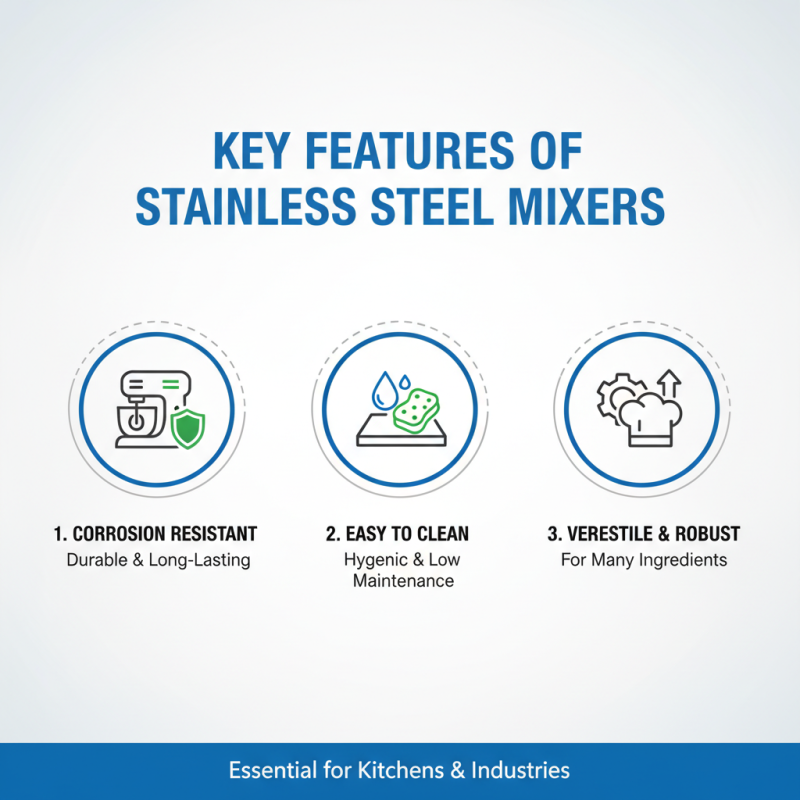
Stainless steel mixers are essential in many kitchens and industries. Their durable construction makes them ideal for mixing various ingredients. One key feature is their resistance to corrosion, which ensures longevity. They are easy to clean, which is a major advantage. Often, users overlook this aspect, which can lead to maintenance issues over time.
Another important aspect is versatility. A Horizontal Stainless Steel Ribbon Mixer, for example, can blend dry powders, pastes, or even liquids. The design allows for efficient mixing, promoting a uniform consistency in the final product. However, some may find that the mixing time varies based on the materials used. This inconsistency can be frustrating for those seeking precise results.
Safety features are also worth mentioning. Many stainless steel mixers include mechanisms to prevent overheating during operation. Users sometimes ignore this, leading to potential breakdowns. The ergonomic design of these mixers helps reduce strain during use. But they can still be heavy, making proper handling essential.
Different Types of Stainless Steel Mixers
When exploring stainless steel mixers, it's essential to understand the different types available. First, there are hand mixers, which are ideal for small tasks. They are lightweight and easy to store. You can use them for quick mixing jobs, like whipping cream or beating eggs. But they may lack power for denser mixtures.
Countertop mixers are another popular type. These are larger and more powerful. They come with various attachments, including dough hooks and beaters. Different speeds allow for better control over your mixing tasks. However, they can take up significant counter space.
**Tips:** Always clean your mixer parts right after use. This prevents residue build-up. Make sure to read the user manual. Understanding your mixer’s features will enhance usability.
Immersion blenders, or stick mixers, offer versatility. They are perfect for soups or smoothies. Simply submerge in the pot and blend. Some users find them harder to control for larger batches. Yet, they excel in speed for simple tasks – a real time-saver in the kitchen. Proper handling is key to avoiding splashes.
Stainless steel mixers are durable and resistant to corrosion. Choosing the right type will depend on your cooking needs. Consider what you’ll make most often. Your choice can either simplify tasks or complicate them.
What is a Stainless Steel Mixer and How Does It Work? - Different Types of Stainless Steel Mixers
| Mixer Type | Capacity (Liters) | Motor Power (Watts) | Speed Settings | Price Range (USD) |
| Handheld Mixer | 1 - 5 | 200 - 600 | 3 | 30 - 100 |
| Stand Mixer | 4.5 - 7 | 300 - 1000 | 10 | 100 - 500 |
| Planetary Mixer | 5 - 30 | 1000 - 3000 | Variable | 500 - 2000 |
| Immersion Mixer | 1 - 10 | 200 - 800 | Variable | 50 - 300 |
How Stainless Steel Mixers Work
Stainless steel mixers play a crucial role in both industrial and culinary applications. They are designed to combine ingredients efficiently. The mixing process involves blades or paddles that rotate at high speeds. This action creates a vortex, pulling ingredients toward the center. This efficient blend ensures a uniform mixture.
According to a recent industry report, stainless steel mixers account for over 40% of the global mixing equipment market. Their durability and resistance to corrosion contribute to their popularity. In environments where hygiene is critical, such as food processing, stainless steel is preferred. However, improper maintenance can lead to rust. Operators often overlook routine cleaning, which can compromise food safety.
In addition, the air quality during mixing can be an issue. Poor ventilation can lead to dust accumulation. This can create a safety hazard if flammable materials are involved. Awareness of these risks is essential for operators. Continuous training and monitoring are necessary to ensure safe operation. This highlights the importance of not just the equipment, but the people using it.
Benefits of Using Stainless Steel Mixers
Stainless steel mixers are becoming increasingly popular in various industries. Their durability and resistance to corrosion set them apart. According to a report from the Stainless Steel Information Center, the global demand for stainless steel in kitchen appliances is projected to grow by 6% annually through 2025. This trend highlights the benefits of using stainless steel mixers.
One significant advantage is hygiene. Stainless steel is non-porous, preventing bacteria buildup. This is crucial in food preparation, where cleanliness is vital. Recent studies show that stainless steel surfaces reduce bacterial growth by 99%. Additionally, stainless steel mixers withstand high temperatures and resist stains, making them ideal for heavy-duty use.
However, stainless steel mixers can be heavier than alternatives, making them less portable. Some users find them challenging to maneuver. While the initial investment can be higher, the longevity of these mixers often makes up for it. In fact, a market analysis revealed that stainless steel equipment can last up to 15 years longer than plastic counterparts. Overall, stainless steel mixers provide a reliable and hygienic option for many culinary applications.
Common Applications of Stainless Steel Mixers
Stainless steel mixers are essential in many industries. Their durability and resistance to corrosion make them ideal. In food processing, for instance, they handle various ingredients. A Stainless Steel Ribbon Blender mixes powders, liquids, and solids efficiently. This type of mixer ensures uniform blending and reduces processing time.
In the pharmaceutical industry, stainless steel mixers play a crucial role. They help maintain the integrity of sensitive materials. With strict hygiene requirements, these mixers meet safety standards effortlessly. According to industry reports, about 70% of pharmaceutical companies rely on stainless steel equipment. This highlights their importance in ensuring product quality.
In the chemical sector, stainless steel mixers are indispensable. They resist harsh chemicals and maintain operational reliability. Many manufacturers report fewer breakdowns with stainless steel mixers compared to other materials. However, costs can be higher. Initial investment requires careful consideration. Operators must also ensure regular maintenance. Even with their benefits, improper care can lead to performance issues.
Maintenance Tips for Stainless Steel Mixers
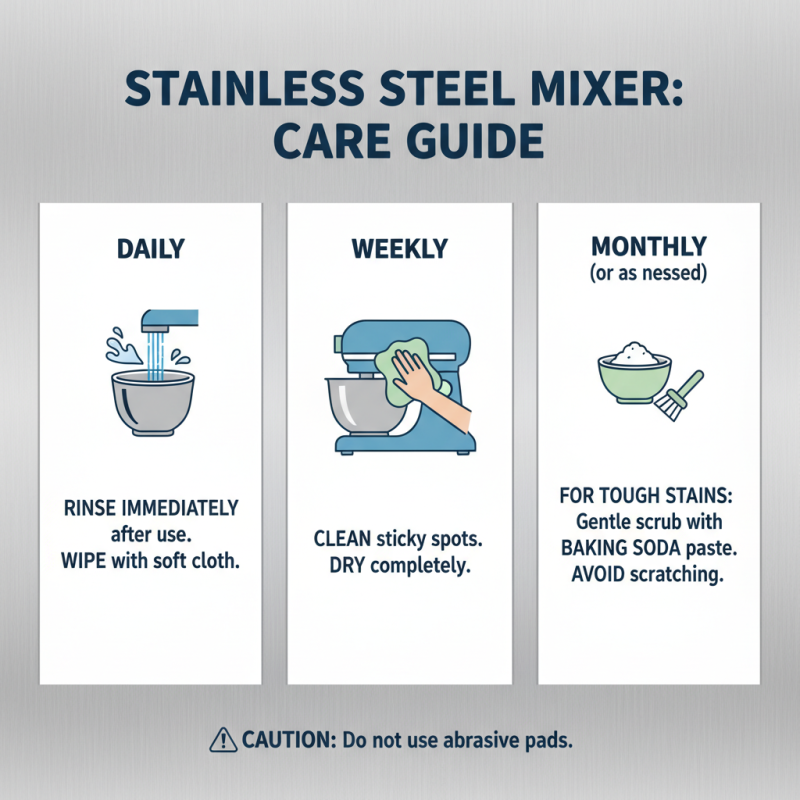
Maintaining a stainless steel mixer is essential for optimal performance. Regular cleaning prevents the buildup of residue. Rinse immediately after use to avoid gunk. A soft cloth can help remove sticky spots. For tough stains, a gentle scrub with baking soda works well. Just be cautious not to scratch the surface.
Lubrication is another key aspect of maintenance. Ensure that moving parts are functioning smoothly. Use food-safe lubricant sparingly. Check for any signs of rust or wear. Address these issues quickly to prolong the mixer’s life. Sometimes, you may feel hesitant to open up machine parts. However, understanding your equipment is vital when handling a Stainless Steel Mixing Solution.
Finally, store your mixer properly. Keep it in a dry, cool place to prevent moisture damage. If the mixer is rarely used, a dust cover can be beneficial. Pay attention to any unusual sounds during operation. They might signal the need for repairs. A well-maintained stainless steel mixer will serve you reliably for years.
The Growing Demand for Paddle Mixers in the Mortar and Cement Industry: Insights from Recent Market Analysis Reports
The growing demand for Paddle Mixers in the mortar and cement industry underscores the importance of efficient mixing solutions in modern construction applications. Recent market analysis indicates that the preference for dry-mix mortar is significantly increasing, thanks to its superior performance and adaptability. Paddle mixers, with their innovative dual shaft design, effectively address the challenges of blending materials with varying bulk densities, ensuring a consistent and homogeneous mixture. This is crucial in the building materials sector, where the quality of the mix directly impacts the strength and durability of final products.
One of the notable advancements in paddle mixer technology is the ability to operate with specialized paddles that create both radial and axial motions. This unique mixing dynamics results in rapid and thorough integration of components, allowing for effective handling even of mixtures characterized by high density and friction. Furthermore, the direct-drive system of these mixers minimizes energy consumption while enhancing operational stability, making them an ideal choice for manufacturers seeking cost-effective and reliable equipment. As the industry continues to evolve, the adoption of these advanced mixing technologies will be pivotal in meeting the rising demands of construction projects and ensuring superior product quality.
FAQS
: Their construction is resistant to corrosion. This ensures longevity in various environments.
Regular cleaning prevents residue buildup. This keeps the mixer hygienic and functional over time.
Yes, they are versatile. They can blend dry powders, pastes, and liquids effectively.
Blades rotate quickly, creating a vortex. This action pulls ingredients toward the center for uniform mixing.
Regular cleaning and lubrication are required. Check for rust and wear to extend the mixer’s life.
Many mixers have mechanisms to prevent overheating. Users should be aware of this to avoid breakdowns.
Unusual sounds may indicate repair needs. Don’t ignore them; address issues promptly.
Poor ventilation can lead to dust buildup. This poses safety hazards, especially with flammable materials.
Keep it in a dry, cool place. Use a dust cover if it’s not used frequently.
Many users find it tedious. However, neglect can lead to significant long-term issues.
Conclusion
A stainless steel mixer is an essential kitchen appliance designed for efficiently mixing, blending, and preparing various ingredients. It is characterized by its durability, resistance to corrosion, and ease of cleaning, making it a preferred choice in both commercial and home kitchens. Key features include powerful motors, multiple speed settings, and various attachments that enhance functionality. Different types of stainless steel mixers cater to specific needs, such as handheld mixers for convenience or stand mixers for larger batches.
Stainless steel mixers operate through a system of blades or hooks that rotate to blend ingredients uniformly. The benefits of using these mixers include improved mixing efficiency, longevity, and the ability to withstand heavy usage. They are commonly used in baking, cooking, and food preparation, making them versatile tools in culinary applications. Proper maintenance, such as regular cleaning and inspection of parts, ensures that a stainless steel mixer remains in optimal working condition, providing reliable performance over time.