The Cement Mixer industry is changing pretty fast these days. I was chatting with John Smith from Concrete Innovations, and he made a good point—knowing which type of cement mixer to go for can really make a difference in getting projects done smoothly. And honestly, that couldn't be more true, especially with the global demand for construction stuff booming.
Come 2026, there will be a bunch of different cement mixers to choose from. You’ve got the classic drum mixers, but then there are the newer, high-tech pan mixers too—plenty of options! Each type has its own perks, depending on what you're working on. Some are more mobile, some rely on different power sources—we’re talking about choices that can really impact how your project turns out.
That said, figuring out what’s best isn't always a walk in the park. With so many options, it’s easy to miss important details, which could lead to delays or less-than-ideal results. Plus, as these machines keep getting smarter and more feature-rich, it’s a good idea to stay in the know. Talking to industry folks or experts can really help you catch the little things that might save you time and money in the long run.
Types of Cement Mixers Used in the Construction Industry
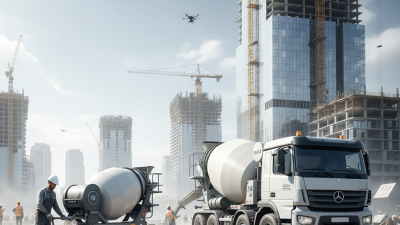
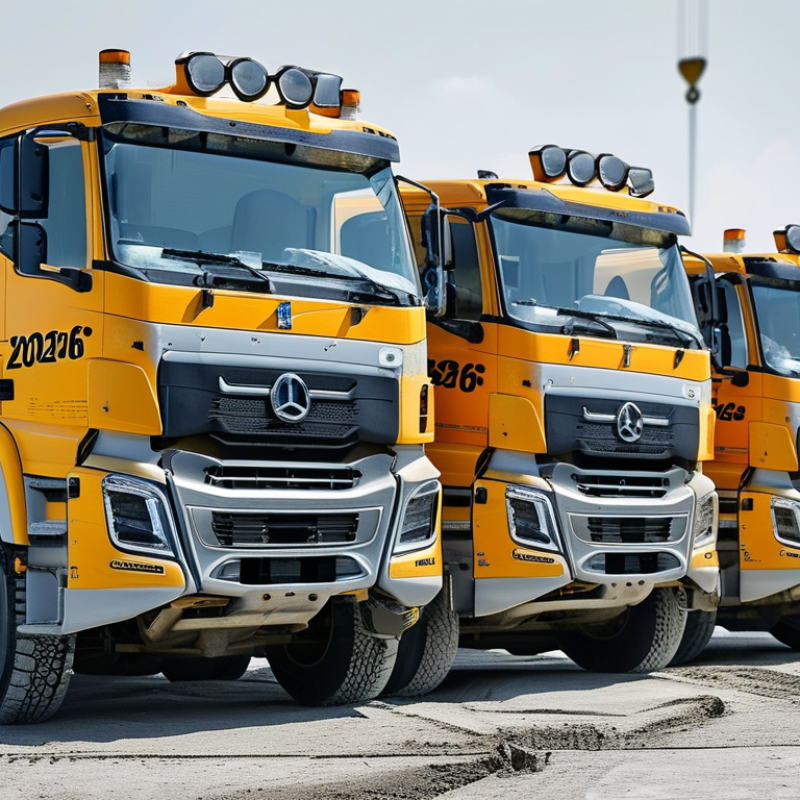
The construction industry utilizes various cement mixers, each designed to meet specific needs. Mobile concrete mixers are popular for small to medium projects, offering flexibility and efficiency. These mixers combine materials on-site, ensuring freshness and reducing waste. They are highly valued in urban areas where space is limited.
A more traditional option is the stationary drum mixer. This type is best suited for large-scale projects. It can produce significant quantities of concrete consistently. However, transporting the mixed concrete can pose challenges. Therefore, maintaining a steady supply of materials is crucial for optimal operation.
Tip: Always assess your project requirements. Consider factors like volume, site accessibility, and budget. This will help you determine the most suitable mixer type.
Another type is the volumetric mixer. It accurately measures and mixes materials on demand, minimizing excess waste. While highly efficient, they require careful monitoring during operation. Training your team on proper usage is essential to avoid mistakes and reduce downtime.
Tip: Regular maintenance of your mixer is vital. Check the equipment frequently to ensure it operates smoothly. Ignoring small issues can escalate into costly repairs.
Factors Influencing Cement Mixer Selection for Buyers
When selecting a cement mixer, several factors come into play. One key aspect is the capacity. Buyers need to assess how much material they will mix at a time. A larger mixer may seem better, but it may not be practical for smaller projects. On the other hand, someone might find a compact Cement Mortar Mixer suitable for tight spaces.
Another crucial factor is the power source. Options can vary between electric and gas-powered mixers. Electric mixers are often quieter and require less maintenance. However, gas-powered mixers can be more efficient for larger projects. Ultimately, the choice depends on the specific needs of the buyer and the project scale.
Durabilityis also significant. A mixer made with high-quality materials will last longer, but these models can come at a premium price. Buyers should weigh the long-term benefits against initial costs. The type of work environment will also influence durability needs. In harsh conditions, a robust Cement Mortar Mixer is essential. Each project has unique demands, making it important to reflect on these varied needs.
Overview of Portable vs. Stationary Cement Mixers
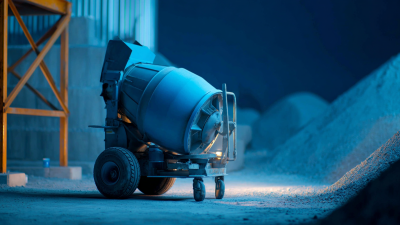
When considering cement mixers, the choice between portable and stationary models is crucial. Portable mixers offer flexibility and ease of transport. They are ideal for small construction sites or DIY projects. Users can move them easily to various locations. This adaptability can save time and labor costs.
Stationary mixers, on the other hand, are built for larger projects. They provide a more consistent mix and can handle larger volumes. These are often used for commercial purposes. Consider the scale of your work before deciding. Larger jobs may benefit from the efficiency of stationary options.
Tips: Check the weight and dimensions. Ensure it fits your project's needs. Evaluate the power source. Electric mixers are quieter, while gas-powered ones offer mobility. Proper cleaning after use is vital. A neglected mixer can lead to rust and inefficiency. Always prioritize maintenance to extend the lifespan of your equipment.
Electric Cement Mixers: Features and Benefits
Electric cement mixers are a popular choice for many construction projects. They offer several features that enhance their usability. One significant benefit is their energy efficiency. Unlike gas-powered mixers, electric models reduce emissions, making them more environmentally friendly. This feature appeals to conscientious builders.
Maintenance is another critical aspect of electric cement mixers. Regular checks on wiring and motor parts can prolong their lifespan. Conducting these simple inspections can save time and resources in the long run. It’s essential to keep the mixer clean after each use. This helps prevent rust and ensures optimal performance for your projects.
When selecting an electric cement mixer, consider the size and capacity. Smaller models may be ideal for home improvement tasks, while larger ones suit heavy-duty jobs. Look for mixers with adjustable speeds. This flexibility allows you to control mixing intensity based on project needs. Remember, even the best electric mixers require user understanding and care for best results.
Diesel Engine Cement Mixers: Advantages for Heavy-Duty Use
Diesel engine cement mixers are particularly suited for heavy-duty use. They offer several advantages over electric mixers, especially in remote locations. One of the primary benefits is their power. Diesel engines can handle larger loads and work in conditions where electricity isn't available. This makes them ideal for construction sites in rural areas.
Moreover, diesel mixers are designed for durability. They can withstand tough usage, which means less downtime for repairs. This reliability is critical when deadlines are tight. Operators can save time and money by choosing these robust machines. However, maintenance is still necessary to optimize performance. Neglecting regular checks can lead to costly breakdowns.
Tips: Always check the oil levels before starting your diesel mixer. This small task can prevent engine wear. Additionally, use the right fuel to ensure efficient operation.
Consider the noise levels. Diesel engines can be louder than their electric counterparts. This is something to keep in mind, especially in residential areas. Balancing power and community needs can be challenging.
Ultimately, diesel cement mixers deliver exceptional performance. However, they come with their own set of responsibilities. Understanding these factors can lead to better choices in heavy-duty applications.
Trends in Cement Mixer Technology for 2026
As we approach 2026, the cement mixer landscape is evolving rapidly. Advanced technology is driving innovation. One notable trend is the integration of automation into mixers. These systems improve efficiency and reduce labor costs. Smart controls can monitor performance and adjust settings in real-time. This allows for consistent mixing, which is vital for quality assurance.
Another significant development is the use of eco-friendly materials. Manufacturers are focusing on reducing the carbon footprint of cement mixers. Utilizing recycled materials helps enhance sustainability. Energy-efficient motors and components also support greener operations. Additionally, wear-resistant designs prolong the mixer’s lifespan, making them more reliable.
The emergence of mobile and portable cement mixers is noteworthy. These mixers cater to smaller projects and remote locations. Their compact design and versatility enhance accessibility. However, they may not always match the capacity and power of larger models. The industry continues to learn and adapt, facing challenges such as material sourcing and cost fluctuations. Innovation remains crucial in overcoming these hurdles, ensuring that mixers continue to evolve for diverse user needs, including Feed Mixer applications.
Comparative Analysis of Leading Cement Mixer Brands
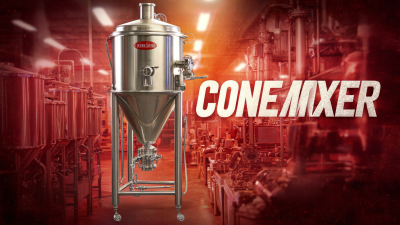
The cement mixer industry is evolving rapidly. Buyers need to evaluate various types efficiently. Among the numerous options, the Cone Mixerstands out for its unique design. This type features a conical shape that promotes thorough mixing of materials, ideal for producing high-quality concrete. According to industry reports, the global demand for Cone Mixers is projected to grow by 4% annually through 2026.
Market leaders are focusing on improving the efficiency and energy consumption of their mixers. Data indicates that models designed with advanced motor technology can reduce energy use by up to 30%. Additionally, some manufacturers are investing in automation features. These enhancements lead to more consistent outcomes and ease operational tasks. However, the complexities of these machines can sometimes confuse operators, leading to potential challenges in training.
When analyzing various brands, buyers should consider durability and service options. Reports show that lesser-known models may lack the support for maintenance or replacement parts. This gap can lead to downtime and increased costs. Ensuring reliable after-sales support is crucial. Many standard mixer types fall short in this area, making it essential to conduct thorough research before purchasing.
Analyzing the Demand Surge for Ploughshare Mixers in Construction: Insights from Recent Industry Reports and Market Trends
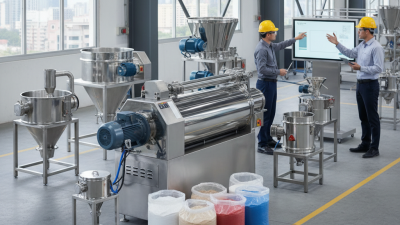
The recent surge in demand for ploughshare mixers in the construction industry reflects a broader trend that highlights the importance of efficient and cost-effective mixing technologies. According to industry reports, the global demand for dry-mix mortar and putty powder is witnessing a significant increase, driven by the growing construction sector and the rising need for sustainable building materials. This growing market has seen innovative technologies emerge, with products designed to maximize efficiency while minimizing production costs.
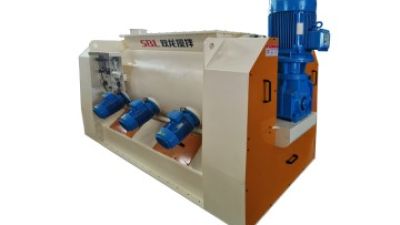
One standout feature in this field is the application of advanced wear-resistant treatments for mixing components, such as agitators and vessels, thereby prolonging service life. The implementation of high-speed operations allows for rapid homogeneity of mixtures, catering to the varied requirements of the construction industry. With a focus on delivering time and cost efficiencies, particular attention is given to discharge systems featuring dependable pneumatic bomb doors that ensure quick and residue-free unloading of materials. This design innovation is crucial for maintaining workflow efficiency in projects where time constraints are paramount.
The construction industry's reliance on specialized materials, including building supplies, special mortars, and coatings, underscores the need for advanced mixing technologies. Reports indicate that effective mixers can significantly enhance productivity and performance in these areas. As the market continues to evolve, the integration of efficient mixing solutions will be vital for meeting the rising demand and achieving high-quality results in construction projects worldwide.
FAQS
: Portable mixers are flexible and easy to move. Stationary mixers handle larger volumes for bigger projects.
Portable mixers are ideal for small projects. They can be easily transported between sites.
Diesel mixers are powerful and durable. They work well in remote areas without electricity.
Regularly check oil levels and use the right fuel. Maintain it to avoid costly repairs.
Yes, they can be noisier than electric mixers. This is important in residential areas.
Proper cleaning prevents rust and inefficiency. Neglected mixers won’t perform well over time.
Check weight, dimensions, and power source. Match these to your specific needs and scale.
Ensure durable models have good maintenance support. Lack of service can lead to increased downtime.
It can reduce energy use significantly. This translates to lower operational costs over time.
Advanced features can confuse operators. Proper training is essential for effective use and safety.
Conclusion
The article delves into the various types of cement mixers utilized in the construction industry, highlighting essential factors that buyers should consider when selecting the right model for their needs. It compares portable and stationary cement mixers, emphasizing their respective functionalities and applications.
Furthermore, the discussion on electric and diesel engine cement mixers outlines their unique features and benefits, with electric models being suited for lighter tasks and diesel mixers excelling in heavy-duty applications. The article also explores emerging trends in cement mixer technology expected in 2026, offering insights on innovations that could impact efficiency and performance. Ultimately, this comprehensive overview aids potential buyers in navigating the diverse options available in the market today.