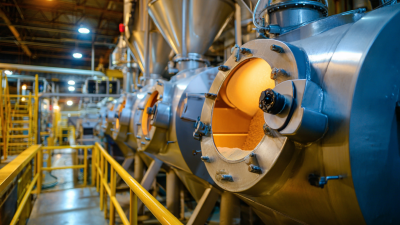
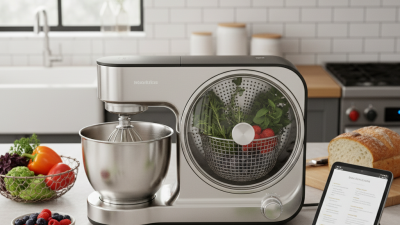
When it comes to farming, everyone knows that good feed is a game-changer for getting things done efficiently. Dr. John Smith from AgriMix Solutions explains that using the right Feed Ingredients Mixer can really boost your farm’s productivity. It’s a simple thing, but picking the right equipment for mixing your feed makes a huge difference.
Farmers often run into all sorts of headaches when preparing feed. Manually mixing ingredients can be a real pain — it takes time, and sometimes, the feed isn’t consistently mixed, which is frustrating. Luckily, with technology evolving, these mixers have come a long way. They’re designed to solve those old problems, helping farmers save time and get a more uniform feed every single time.
Getting a Feed Ingredients Mixer can bring a lot of perks, no doubt about it. But here’s the thing — not every mixer out there is perfect for every farm. It’s pretty important to take some time to weigh your options, figure out what you really need, and choose wisely. Sometimes, a little extra thought on your part can lead to better equipment and, ultimately, better results. And well, in farming, finding that balance between cost and efficiency is key for long-term success. Every decision really does count.
So, yeah, investing in the right mixer might seem like a small thing, but it can make the whole process smoother and more productive in the long run — worth considering, for sure.
Benefits of Using Feed Ingredients Mixers on Farms
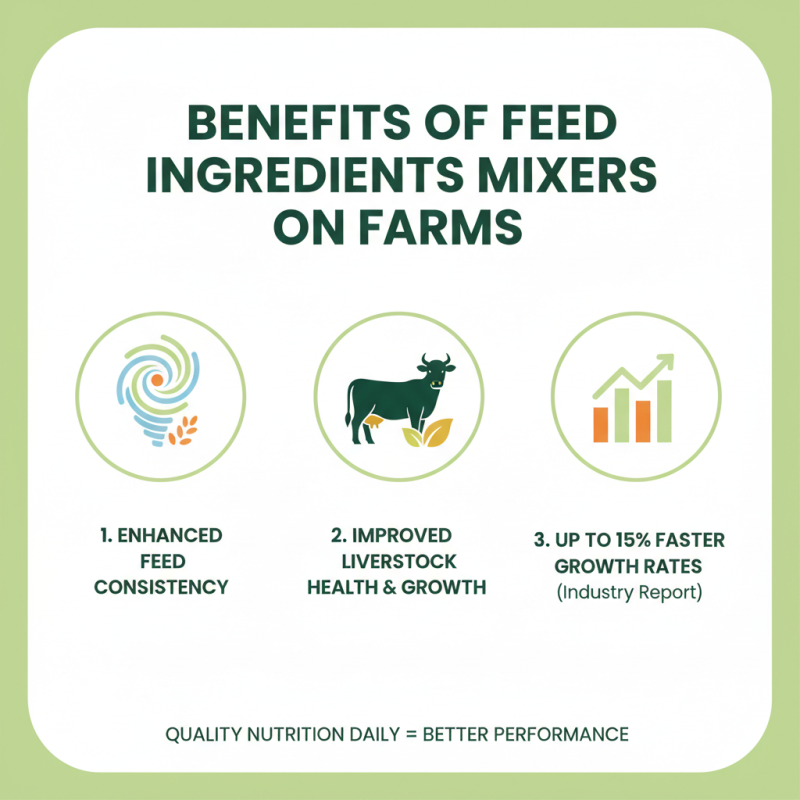
Using feed ingredients mixers on farms offers numerous benefits. These mixers enhance feed consistency, which is crucial for livestock health. A recent industry report indicated that consistent feeding can improve growth rates by up to 15%. When animals receive the same quality nutrition daily, they perform better.
Additionally, the use of mixers can reduce feed waste. A study found that farms using mixers saw a 20% decrease in waste. Improved ingredient mixing leads to better nutrient absorption. Livestock benefit from higher-quality feed when blended properly. This practice also allows farmers to experiment with various ingredient ratios.
However, some farms may struggle with the initial cost and maintenance of mixers. This can deter adoption. Farms must weigh the investment against potential long-term savings. Regular training for staff can also be a barrier. Ensuring staff are skilled in using mixers is essential for achieving optimal results. Despite these challenges, the benefits often outweigh the drawbacks.
Improved Nutritional Consistency in Animal Diets
In the world of farming, nutritional consistency is vital. Animals thrive on balanced diets. A Food Ingredients Blender can significantly improve this aspect. By mixing various feed components, it ensures each bite is uniform. This reduces the risk of nutrient deficiencies. Animals receive the same blend every day, leading to better health.
A well-mixed diet fosters optimal growth and productivity. With a Food Ingredients Blender, farmers can adjust proportions easily. They might experiment with different ingredients to meet specific dietary needs. Yet, this process can also be trial and error. Not every blend will work as expected. It requires patience and observation to find the right mix.
Moreover, consistency doesn’t mean monotony. Farmers can introduce variety while maintaining nutritional balance. This approach keeps animals engaged and satisfied. An effective food blending technique is essential for long-term farm success. However, understanding the evolving needs of livestock is crucial. Continuous learning and adaptation are necessary for achieving ideal results.
Enhanced Feed Efficiency and Reduced Waste
When it comes to feed efficiency, using a feed ingredients mixer can make a significant difference. Studies show that up to 20% of feed can be wasted during the mixing and feeding process. A well-mixed feed ensures that livestock receive all necessary nutrients evenly. This leads to better growth rates. An improved growth rate can be around 10% to 15%, according to industry reports.
Reduced waste is another critical advantage of using a Feed Mixer. Inconsistent feed distribution often results in livestock not consuming all the provided feed. Reports indicate that poor feed management can lead to a loss of up to30% of feed values. Moreover, livestock that eat nutrient-rich, evenly mixed feed show improved health and productivity. This helps farmers achieve a more sustainable operation in the long run.
However, not all mixers are equal. Farmers must consider several factors, including mixer types and feed types. Some mixers lead to uneven blends, which can negate the benefits. Periodic evaluation of mixing efficiency is essential. A good mixer can provide better efficiency, but incorrect usage can lead to disappointing results. Understanding your specific farm needs is crucial for optimizing benefits.
Time-Saving Advantages for Farm Operations
Farm operations can be hectic. Time is always limited. One of the key benefits of using a Feed Mixer is the efficiency it brings. By automating the mixing process, farmers can save hours each day. Manual mixing requires constant attention and labor. This can lead to fatigue and mistakes. A Feed Mixer simplifies this task, ensuring that each batch is uniform.
With a Feed Mixer, farmers can also prepare larger amounts of feed in one go. This means less time spent daily on mixing. Instead, that time can be redirected to other critical tasks, like checking on livestock. A well-mixed feed can enhance animal health and growth, but there’s a learning curve. Farmers must still monitor feed consistency and quality. Sometimes, even with a mixer, adjustments are needed based on ingredients.
Farmers may find the transition to a Feed Mixer challenging. It's not just about the equipment; it's about changing habits. The initial setup and training period can feel overwhelming. However, the long-term benefits to farm operation are worth the effort. Embracing this technology can truly transform how farmers manage their feed processes.
Top 10 Feed Ingredients Mixer Benefits for Your Farm
| Benefit | Description | Time Saved (Hours/Week) |
| Consistent Mixing | Ensures uniform feed quality, improving livestock health. | 4 |
| Reduced Labor Costs | Less manpower required for manual mixing tasks. | 6 |
| Improved Feed Quality | Higher nutritional value for livestock due to proper mixing. | 5 |
| Scalability | Easily adjust production according to farm needs. | 3 |
| Space Efficiency | Optimized use of space compared to bulk storage. | 2 |
| Reduced Waste | Minimized feed loss through accurate ingredient blending. | 3 |
| Faster Production Time | Increases throughput, allowing more feed to be prepared. | 5 |
| Enhanced Nutritional Analysis | Better tracking and optimization of feed components. | 2 |
| Improved Livestock Performance | Healthier animals lead to faster growth rates. | 4 |
| Automation | Streamlines operations with automated mixing cycles. | 6 |
Customization of Feed Formulations for Specific Livestock Needs
Customization of feed formulations plays a crucial role in meeting the specific needs of livestock. Different animals have varying nutritional requirements based on age, breed, and production goals. According to a report by the Animal Feed Industry, tailored feed can enhance growth rates by up to 20%. This customization process helps optimize feed efficiency.
Farmers now use advanced mixers to create specific feed blends. These machines allow precise ingredient ratios, crucial for maximizing nutrient absorption. For instance, growing pigs require higher protein levels than sows. A customized mix can directly impact their health and productivity.
Despite these benefits, challenges remain. Not all farmers have the expertise to create effective blends. Some might create an unbalanced diet unknowingly. Continuous learning and development are essential in this field. As the industry evolves, so too must our approaches to feed formulation. The need for careful consideration is ever-present.
Cost-Effectiveness Over Traditional Feeding Methods
Cost-effectiveness is a critical factor for farms today. Traditional feeding methods can be costly and labor-intensive. Farmers often have to buy multiple feed components. Each ingredient may be from different suppliers. This not only raises prices but also complicates logistics.
An Animal Feed Mixer can streamline the feeding process. It allows for bulk mixing of various ingredients, which reduces the need for excessive transport and storage. When all ingredients are combined, it minimizes waste. Farmers can create customized feed blends. This tailored approach can improve animal health and productivity.
However, there are considerations to keep in mind. Initial investment in an Animal Feed Mixer can be high. Additionally, farmers must learn how to operate the equipment. Training and maintenance can also incur costs. It’s essential to weigh these factors against potential savings. Farms should evaluate long-term benefits versus upfront expenses carefully.
Better Quality Control and Reduced Contamination Risks
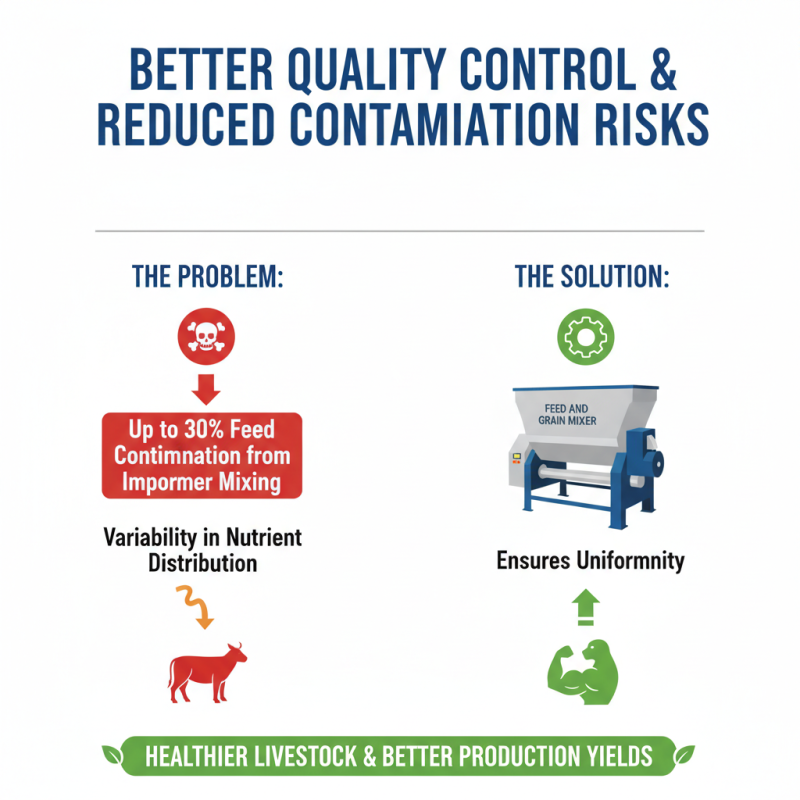
Quality control in farming is crucial. With the rising demand for safe animal feed, the importance of a Feed And Grain Mixer cannot be overlooked. According to industry reports, up to 30% of feed contamination can come from improper mixing practices. A reliable mixer ensures uniformity, minimizing variability in nutrient distribution. This consistency leads to healthier livestock and better production yields.
Moreover, reduced contamination risks are a significant benefit. Studies show that farms using advanced mixers significantly lower pathogen levels in their feed. For instance, the risk of Salmonella contamination can decrease by up to 40% with proper mixing techniques. However, not all mixers guarantee ideal results. Some farms report issues with uneven mixing, leading to nutrient loss and exposing livestock to harmful substances.
Using a Feed And Grain Mixer effectively requires training and vigilance. Operators must be aware of their equipment's limitations. Regular maintenance and monitoring are necessary to ensure maximum efficiency. Even small lapses can result in significant quality control failures, impacting farm productivity and safety. By focusing on these aspects, farms can thrive while safeguarding their livestock.
FAQS
: It automates the mixing process, saving hours each day on manual labor.
A well-mixed feed enhances animal health and growth, improving their productivity.
The transition can be overwhelming due to equipment setup and habit changes.
Different animals have specific nutritional needs based on age and breed.
Some farmers might unknowingly create an unbalanced diet for their livestock.
It allows for bulk mixing, reducing the need for multiple suppliers and minimizing waste.
They must evaluate initial investment costs, training, and potential long-term savings.
Farmers must learn to monitor feed consistency and make adjustments as needed.
They are often labor-intensive and can increase logistical complexities and costs.
The industry evolves, and farmers need to adapt to improve feed efficiency and effectiveness.
Conclusion
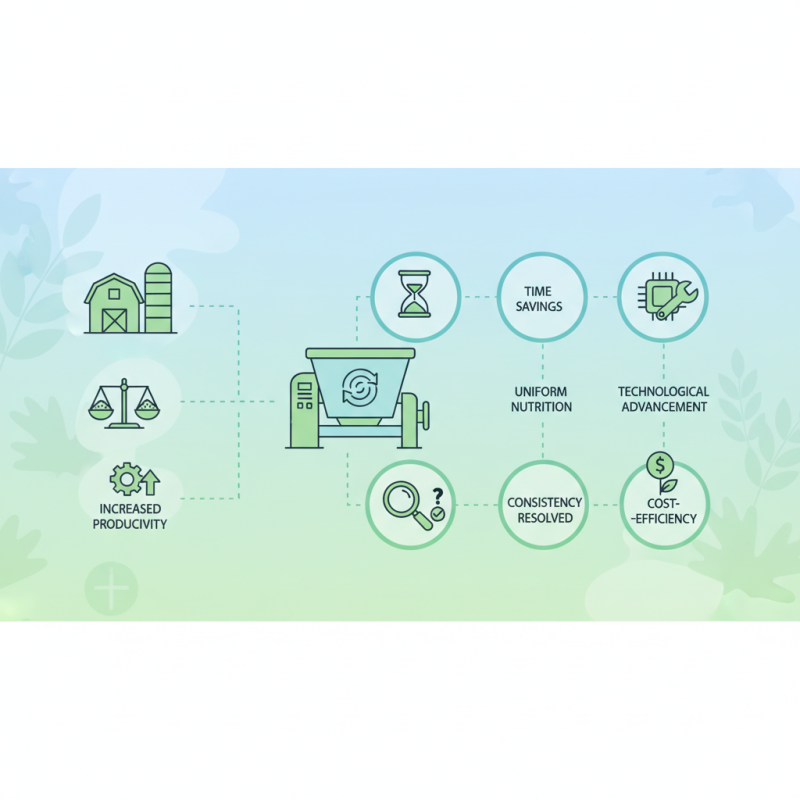
Feed Ingredients Mixers offer numerous benefits for farms, significantly enhancing animal nutrition and operational efficiency. By providing improved nutritional consistency in animal diets, these mixers ensure that livestock receive a balanced intake of essential nutrients. This contributes to enhanced feed efficiency and reduced waste, ultimately leading to more sustainable farming practices.
Furthermore, the time-saving advantages of using a Feed Ingredients Mixer streamline farm operations, allowing farmers to focus on other critical tasks. The ability to customize feed formulations tailored to specific livestock needs not only optimizes health and productivity but also proves to be more cost-effective compared to traditional feeding methods. Additionally, incorporating mixers into the feeding process enhances quality control and minimizes contamination risks, ensuring safer and healthier feed for animals. Overall, adopting Feed Ingredients Mixers can transform farm management and improve overall livestock outcomes.