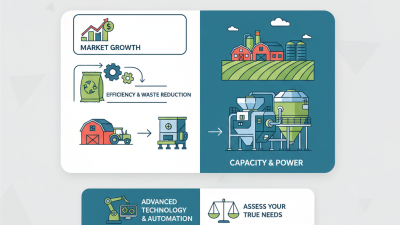
As global food demand keeps climbing, having the right machinery in place is more important than ever. Back in 2022, the worldwide Grain Mixer market was worth around $1.2 billion, and it’s expected to see pretty big growth by 2026. That just goes to show how vital these machines are getting—whether it’s for mixing feed for livestock or for use in different food industries.
Big names like Bühler Group and Schutte-Buffalo have really been pushing the envelope when it comes to new Grain Mixer tech. Their equipment not only mixes better and saves on waste but also makes the whole process more efficient. Good quality grain mixers help streamline operations and ensure you end up with consistent, top-notch products. But, let’s be honest—no machine is perfect. Some mixers still struggle with things like uneven mixing or needing extra maintenance, which can be a real headache.
So, if you’re thinking about getting one, it’s pretty important to know what issues to watch out for. Finding trustworthy manufacturers and understanding what each product offers can seriously make a big difference. With so many options out there, choosing the right grain mixer is crucial for staying ahead in today’s competitive market. It’s all about making smart choices to keep things running smoothly and successfully.
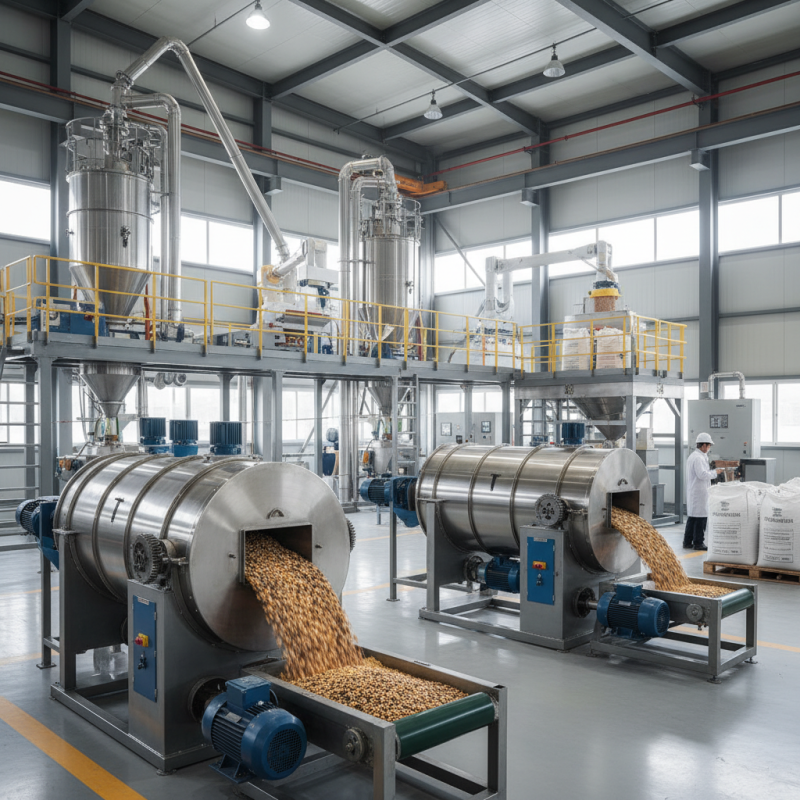
Overview of Grain Mixer Machines and Their Importance in 2026
Grain mixer machines play a crucial role in the agricultural industry in 2026. These machines ensure uniform mixing of grains, which is essential for animal feed production. A well-mixed feed enhances livestock health and productivity. As global demand for quality animal products grows, so does the importance of efficient mixing equipment.
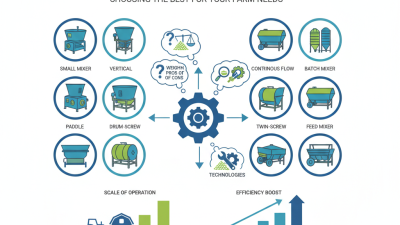
Farmers and producers need to consider functionality and design when choosing mixers. Options vary, from horizontal to vertical mixers, each serving unique purposes. A good grain mixer reduces waste and optimizes nutrition, impacting animal growth positively. Understanding the specific needs helps in selecting the suitable model.
Tips: Always check the machine’s capacity against your production needs. Regular maintenance is key to long-term performance. Training staff on proper operating procedures enhances safety and efficiency. Make sure to evaluate energy consumption as it affects operational costs. In a world focused on sustainability, energy-efficient models are gaining traction.
Key Features to Consider When Choosing a Grain Mixer Machine
When selecting a grain mixer machine in 2026, buyers should focus on several key features. Capacity is paramount. The right capacity should meet daily production demands. Machines vary widely, with capacities ranging from 100 kg to over 1,000 kg per batch. Understanding your grain volume needs is essential to avoid under- or over-investing.
Another critical factor is mixing efficiency. A good mixer should ensure uniformity in grain blend, impacting final product quality. Studies indicate that mixers achieving over 90% uniformity reduce ingredient segregation issues. Additionally, consider the energy efficiency of the machine. Reports highlight that energy-efficient mixers can lower operating costs by 30% without compromising performance.
Durability and maintenance are also crucial. Grain mixer machines must withstand heavy use. Some models show wear and tear quickly, leading to maintenance delays. According to industry experts, investing in a machine with high-quality materials can extend its lifespan by up to 50%. Understanding both the initial cost and long-term maintenance is vital for smart purchasing decisions.
Top Manufacturers of Grain Mixer Machines Worldwide
The grain mixer machine market is rapidly evolving. Buyers worldwide are seeking innovative solutions to enhance their operations. Understanding the leading manufacturers in this sector is crucial. These companies focus on quality and efficiency. Their machines often come with advanced technology features. This ensures consistent mixing and optimal feed quality.
Many manufacturers offer various sizes and capacities. This makes it easier for global buyers to find suitable options. However, not all machines are created equal. Some may lack durability or efficient performance. Prospective buyers should assess the reputation of these manufacturers. User reviews and industry feedback can provide valuable insights.
When selecting a grain mixer or Feed Mixer, consider the specific needs of your operation. Factors like budget, output volume, and energy efficiency are essential. Additionally, after-sales service and support are vital. A reliable manufacturer should offer comprehensive assistance post-purchase. This aspect often differentiates leading brands from lesser-known ones. Understanding these elements helps buyers make informed decisions in a competitive market.
Top 10 Grain Mixer Machines for Global Buyers in 2026
| Model | Capacity (kg) | Power (kW) | Mixing Time (min) | Features |
| Model A | 500 | 15 | 5 | Automatic controls, stainless steel |
| Model B | 750 | 18 | 6 | Variable speed, energy-efficient |
| Model C | 600 | 12 | 4 | Durable construction, high efficiency |
| Model D | 900 | 20 | 3 | Compact design, low maintenance |
| Model E | 400 | 10 | 2 | User-friendly interface, efficient mixing |
| Model F | 800 | 25 | 7 | Advanced technology, high output |
| Model G | 350 | 8 | 4 | Lightweight, portable |
| Model H | 700 | 22 | 5 | Customizable settings, safety features |
| Model I | 950 | 30 | 6 | High-capacity, industrial-grade |
| Model J | 550 | 14 | 3 | Multi-purpose, ease of use |
Detailed Review of the Top 10 Grain Mixer Machines for 2026
The grain mixer machines market is evolving rapidly. By 2026, global demand for efficient and reliable mixing solutions will be prominent. According to industry experts, the market is projected to grow at a compound annual growth rate (CAGR) of 5.2%. This growth is driven by the increasing need for high-quality feed and flour products in the food industry.
When choosing a grain mixer, efficiency is critical. Machines should blend grains evenly, avoiding clumping and ensuring uniform consistency. Look for features like adjustable mixing speeds and DURABLE MATERIALS. The average lifespan of a quality grain mixer is around 10-15 years, provided it is well-maintained.
Tips: Regularly inspect your mixer for wear and tear. Small issues can lead to larger problems. Keep your equipment clean for optimal performance. Emphasizing proper usage can extend the life of these machines.
Not all mixers are created equal. The industry is flooded with options, and not every machine meets the standards set by industry leaders. It's crucial to analyze specifications and user feedback. Some users report inconsistent mixing results, leading to disappointment. Targeting the right machine can save costs and improve output quality. Focus on long-term gains instead of short-term savings.
Innovative Technologies in Grain Mixing Machines for 2026
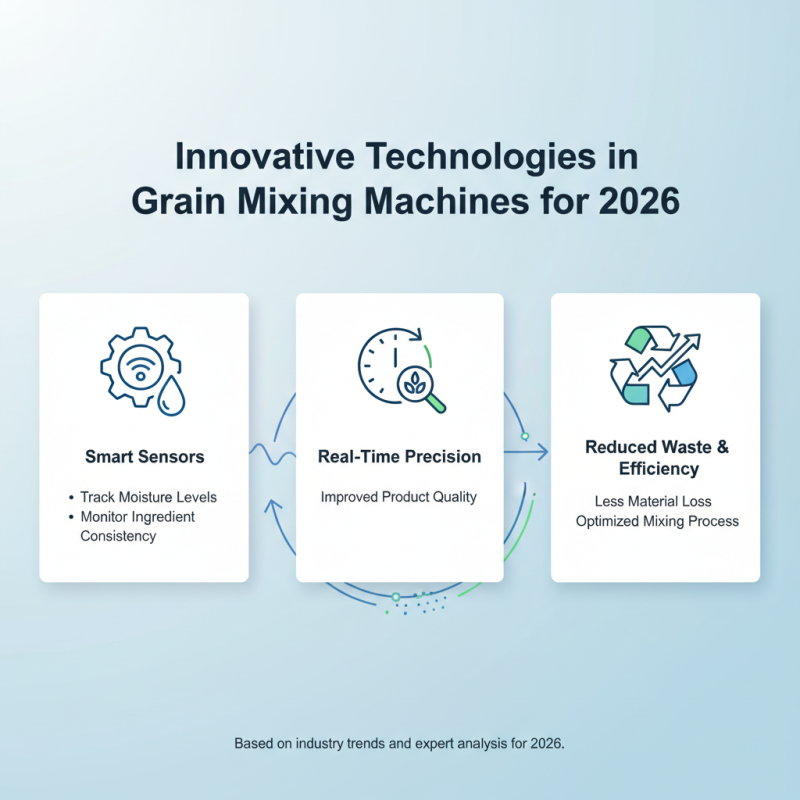
In 2026, grain mixing machines will feature innovative technologies that enhance efficiency. One significant advancement is the integration of smart sensors. These sensors track moisture levels and ingredient consistency in real-time. Such precision not only improves product quality but also reduces waste during the mixing process.
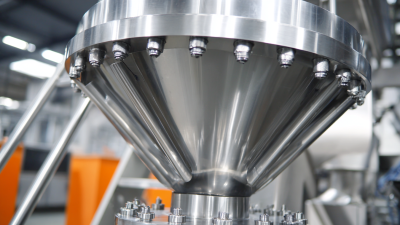
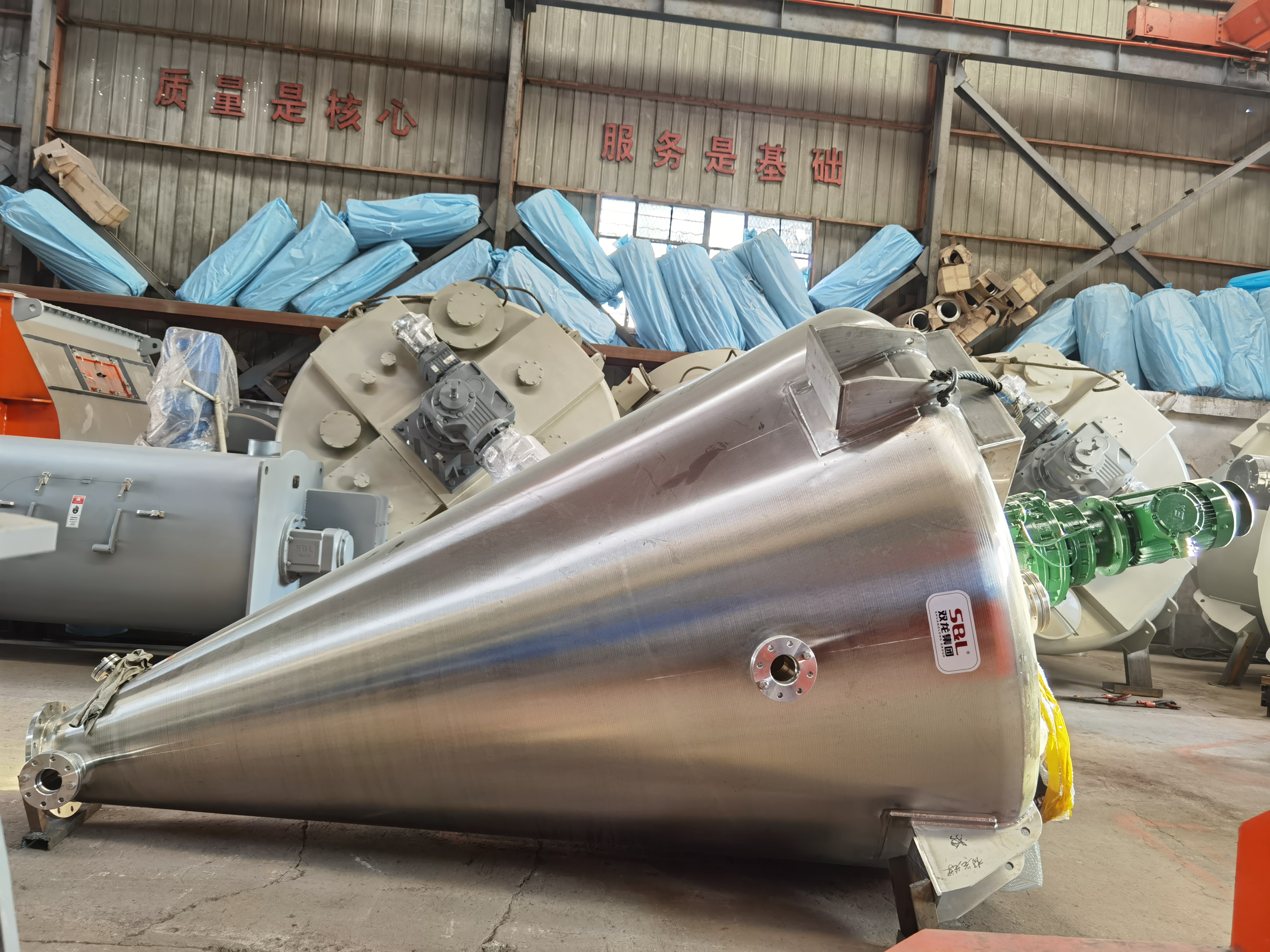
Another noteworthy development is the use of the Cone Mixer design. This design allows for more uniform mixing while minimizing energy consumption. Grain is processed gently, ensuring the integrity of delicate ingredients. Users must consider the potential challenges associated with varying material properties, which can affect mixing results.
Moreover, automation in grain mixing is gaining traction. Robotics and machine learning help optimize mixing times and processes. However, issues with software reliability and system compatibility remain concerns. As the industry moves forward, addressing these challenges will be crucial to harnessing the full potential of innovative machines.
Market Trends Influencing Grain Mixer Machine Sales Globally
The grain mixer machine market is rapidly changing. Demand is rising as more countries embrace modern farming techniques. This shift is driven by a quest for efficiency and quality in grain processing. Farmers are increasingly focused on optimizing their production processes. They seek machines that ensure uniform mixing and reduce waste.
Technological advancements are also influencing sales. Innovations in automation make these machines easier to use. Reduced energy consumption is an attractive feature for many buyers. Sustainability is another factor pushing the market forward. Buyers are looking for eco-friendly options that minimize environmental impact. However, the high initial investment poses a challenge for some potential buyers.
Market trends show a growing interest in multifunctional machines. Buyers want equipment that mixes, grinds, and stores grains all in one. These versatile options can save space and time. Despite the benefits, there is a learning curve. Users may struggle with complex settings or maintenance needs. Addressing these challenges is crucial for manufacturers and buyers alike.
Tips for Maintaining and Operating Grain Mixer Machines Efficiency
Maintaining grain mixer machines, such as the Atex Mixer, is crucial for efficiency. Regular inspections help identify any wear and tear. Check the blades, belts, and electrical systems frequently. This routine can prevent unexpected breakdowns.
Keep the machine clean. Residue buildup can affect performance. Use a vacuum or air compressor to remove dust and particles. Eliminate moisture to avoid rust. Proper cleaning ensures the mixer operates smoothly.
Training operators is equally important. They should know the basic functions and troubleshooting methods. Encourage them to record any anomalies during operation. These reflections can aid in identifying patterns that lead to major issues. A well-informed operator can enhance efficiency and prolong the machine's life.
Top 10 Grain Mixer Machines for Global Buyers in 2026
This chart displays the mixing capacities of various grain mixer machines anticipated for global buyers in 2026. The values represent the average mixing capacity in kilograms per hour for each model listed. Understanding these metrics can aid buyers in selecting the appropriate mixer for their operational needs.
Maximizing Efficiency in Your Production Line with Double Paddle Mixers: A Comprehensive Guide
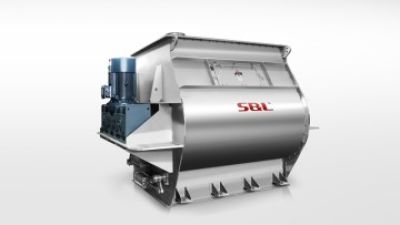
In today's competitive manufacturing landscape, maximizing efficiency in the production line is paramount, particularly in industries like instant coffee production. The Double Shaft Paddle Mixer stands out as an exceptional tool designed to enhance mixing performance significantly. Engineered with synchronized dual shafts, it ensures uniform blending of materials, making it particularly essential for processes that require rapid and effective mixing.
One of the key innovations of the Double Shaft Paddle Mixer is its adjustable paddle angles, which allow for optimal mixing effects even when handling materials with widely varying loading rates. This feature is crucial in production lines where consistency and quality are non-negotiable. Additionally, the mixer’s robust, wear-resistant design guarantees durability, while the bomb door facilitates quick discharging of materials, ultimately reducing downtime and increasing productivity. The inclusion of a lump breaker enhances efficiency further, ensuring a smooth blending process that eliminates clumps for a superior final product.
Furthermore, the mixer is equipped with replaceable paddles suitable for various applications, including dry mortar blending. The retractable rotor design promotes thorough cleaning, ensuring hygiene and compliance with operational standards. With these features, the Double Shaft Paddle Mixer becomes an indispensable asset for optimizing production lines, driving higher efficiency and performance in manufacturing processes.
FAQS
: Focus on capacity, mixing efficiency, energy efficiency, durability, and maintenance needs.
Capacity should match your daily production needs to avoid under or over-investing.
Mixing efficiency ensures uniformity in the grain blend, which impacts product quality.
Energy-efficient machines can lower operating costs by up to 30% without sacrificing performance.
Invest in machines with high-quality materials and conduct regular maintenance checks.
Smart sensors and automation are being integrated for better precision and efficiency.
Regular checks help prevent unexpected breakdowns and maintain optimal performance.
Regularly remove dust and moisture to prevent buildup that affects performance.
Well-trained operators can troubleshoot issues and maintain smooth operations.
Software reliability and system compatibility issues may arise during automation integration.
Conclusion
In 2026, grain mixers are essential equipment for the agricultural and food processing industries, contributing to efficiency and quality in grain handling. When selecting a grain mixer, buyers should evaluate key features such as capacity, mixing speed, and ease of maintenance. The market is experiencing trends driven by innovative technologies that enhance mixing precision and energy efficiency, which are crucial for maximizing productivity.
The article explores top manufacturers of grain mixers globally and provides a detailed review of the ten best grain mixer machines for the year. To ensure longevity and optimal performance, it also offers tips for maintaining and operating grain mixers effectively. By understanding these elements, global buyers can make informed decisions that align with their operational needs.