Hey, if you're in manufacturing, picking the right Mixer Dryercan really make a difference in how smoothly things run. I came across a report from MarketsandMarkets that says the global market for these things is expected to hit around $250 million by 2025. That’s mostly because companies are looking for ways to boost their processing capabilities. As industries keep changing, it’s more important than ever to really understand what you need from a Mixer Dryer before making a move.
When you're shopping around, you’ve got to look at a bunch of factors—like the specs, capacity, and how much energy it uses. For instance, some research by KADRAT shows that fine-tuning these aspects could cut down operational costs by up to 15%. But let’s be honest, not everyone nails this. Sometimes folks overlook some pretty important details, and that can lead to buying equipment that doesn’t quite match their production goals, which is a real shame.
Taking the time to do your homework definitely pays off. Chatting with experts or manufacturers can give you the scoop on new tech or features you might not know about. One common mistake I see is people not paying enough attention to after-sales support—that’s a biggie! Good communication with your supplier can really set you up for a strong, long-term partnership. All these little things—when considered carefully—can make your Mixer Dryer work better for your needs and help you make smarter, more informed decisions down the road.
Understanding Mixer Dryer Fundamentals: Key Features and Benefits
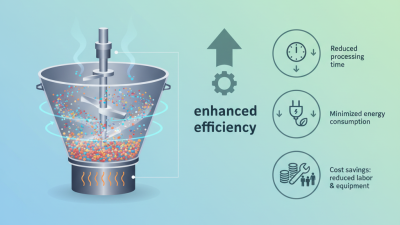
Understanding the fundamentals of mixer dryers is essential for buyers. These machines combine mixing and drying processes, making them efficient for various industries. At their core, mixer dryers enhance product uniformity by blending materials while removing moisture. This dual function saves time and reduces equipment costs.
When assessing key features, consider the heating method. Some machines use conduction, while others may rely on convection or radiation. The choice impacts energy consumption and drying efficiency. Additionally, the design should facilitate easy cleaning and maintenance. User-friendly controls can also enhance operational efficiency.
Buyers may overlook specific capacities or batch sizes. It's essential to evaluate your production needs carefully. Inadequate sizing can lead to inefficiencies or delays. Reflecting on these details helps achieve optimal performance. Consult with experts to gain insights and ensure suitable choices. The right mixer dryer can significantly improve your production process, but it requires thoughtful consideration.
Evaluating Mixer Dryer Specifications: Capacity, Power, and Efficiency
When evaluating mixer dryer specifications, capacity is a crucial factor. Different industries require varying amounts of material to be processed. A small bakery may need a capacity of 50 liters, while a larger facility could require over 200 liters. Understanding the specific needs of your operation helps in selecting the right mixer dryer. An oversized unit can lead to inefficiency and wasted energy, while an undersized unit may not handle production demands.
Power and energy efficiency are equally important. Mixer dryers with high power ratings can process materials faster, but efficiency should be prioritized. Look for models that combine high power with optimal energy consumption. Models with energy-saving features can significantly reduce operational costs. It’s essential to balance power and energy use for sustainable operations.
However, not all specifications tell the complete story. Manufacturers may boast numbers that sound impressive on paper. It’s crucial to dive deeper into user reviews and seek insights from those with real-world experience. Sometimes, the most efficient looking models may not perform as expected in practical situations. Research and asking the right questions can lead to better decision-making.
Material Compatibility: Selecting the Right Mixer Dryer for Your Needs
When selecting a mixer dryer, material compatibility is crucial. A report by the International Society for Pharmaceutical Engineering indicates that up to 30% of equipment failures are related to material mismatches. Therefore, understanding the materials you will be using is vital for optimal performance.
Different materials have unique properties. For instance, temperature sensitivity is a critical factor. Certain substances may degrade at high temperatures, risking product quality. An Eva Dryer ensures that specific parameters can be controlled, making it suitable for sensitive materials. Furthermore, mixing properties differ among various substances; cohesive materials may require specialized features to avoid clumping.
Examining material properties helps in selecting the right equipment. Various reports emphasize that failing to consider these factors can lead to increased costs and inefficiencies. Buyers must assess factors like thermal conductivity and viscosity of materials. Proper alignment between materials and equipment guarantees efficiency and longevity. Future maintenance challenges may arise without proper matching.
Top 10 Mixer Dryer Tips for Global Buyers to Consider - Material Compatibility
| Material | Mixer Type | Dryer Type | Temperature Compatibility | Special Considerations |
| Powder Coatings | Planetary Mixer | Convection Dryer | Up to 120°C | Dust control measures needed |
| Granular Materials | Ribbon Mixer | Rotary Dryer | Up to 150°C | Consider particle size distribution |
| Powdered Foods | Nauta Mixer | Vacuum Dryer | Up to 80°C | Temperature-sensitive ingredients |
| Pharmaceuticals | Horizontal Mixer | Fluid Bed Dryer | Up to 100°C | Strict hygiene standards required |
| Chemicals | Shear Mixer | Rotary Vacuum Dryer | Up to 200°C | Consider corrosion-resistant materials |
| Cosmetics | Mixer Granulator | Tray Dryer | Up to 70°C | Sensitive to contamination |
Importance of Energy Efficiency Ratings in Mixer Dryer Selection
When selecting a mixer dryer, energy efficiency ratings are crucial. These ratings indicate how much energy the machine consumes during operation. A higher rating means lower energy bills and reduced environmental impact. Many buyers overlook this aspect, focusing solely on initial costs. However, poor energy efficiency can lead to significant expenses over time.
Understanding energy labels can be challenging. Different regions have varying standards, making it essential to do research beforehand. A product with a good rating might seem pricier initially but could save money in the long run. Think about your usage patterns as well. Regular use will amplify differences in energy consumption.
It’s also important to consider the machine’s capacity. A larger mixer dryer can handle more work in less time, but only if used efficiently. Monitor your energy usage. Many users find their consumption increases unexpectedly. Keeping an eye on these details can lead to smarter choices. Remember, overlooking energy efficiency could lead to regrettable decisions later on.
Maintenance Tips: Ensuring Longevity and Optimal Performance of Mixers
When it comes to operating a mixer dryer, maintenance is key for longevity and efficiency. Regular cleaning is essential. Residue buildup can lead to uneven mixing or overheating. A simple wash after each use can prevent performance issues. Pay attention to the Paddle Dryer; its blades often collect material. Over time, this can affect mixing quality. Inspect the paddles regularly, ensuring they are intact and functioning.
Lubrication is another fundamental aspect. The moving parts in a paddle dryer require proper maintenance. Using the correct lubricant reduces friction, lowering wear and tear. Most mixers have specific guidelines for lubricant types. Ignoring these can lead to premature failures. Scheduled maintenance checks are critical. Make a habit of inspecting belts, bearings, and electrical connections. Address any unusual sounds immediately. This proactive approach keeps your equipment running smoothly.
Lastly, don’t overlook user training. Improper use can cause significant damage. Ensure operators understand the machine’s capabilities and limitations. Incorrect loading or inadequate monitoring during operations may lead to malfunction. Organizing workshops can enhance their skills. A well-informed team can spot potential issues early. This awareness can save costs and extend the mixer dryer’s lifespan.
Common Applications of Mixer Dryers in Various Industries
Mixer dryers serve diverse functions across industries. In food processing, they blend and dry ingredients simultaneously, ensuring uniform texture and flavor. This method is efficient, saving time and energy. In the pharmaceutical sector, mixer dryers play a crucial role in creating consistent powder formulations. These mixers facilitate the blending of active ingredients with excipients, crucial for dosage accuracy.
Many buyers overlook critical factors when choosing mixer dryers. Ensure the equipment meets the specific requirements of your production process. For example, consider the temperature control capabilities. An efficient temperature range helps preserve sensitive materials. Always evaluate the mixer dryer design. A Vertical Dryer can optimize space and enhance the mixing process for bulk materials, a feature many underestimate.
Regular maintenance is key for long-term performance. Establish a routine to assess wear and tear. Neglecting maintenance can lead to operational inefficiencies. Moreover, ensure staff are adequately trained. Understanding the equipment’s operation maximizes productivity. A lack of knowledge can lead to costly mistakes in ingredient handling.
Top 10 Mixer Dryer Applications Across Industries
Regulatory Standards and Safety Compliance for Global Buyers
When considering mixer dryers for global markets, it's essential to examine regulatory standards and safety compliance. Research indicates that over 78% of manufacturers prioritize adherence to international safety norms. This reflects a growing demand for equipment that not only performs efficiently but also meets stringent safety guidelines.
For instance, the use of a Cylindrical Dryer involves specific regulations regarding the materials and processes employed in its manufacturing. According to industry reports, around 60% of equipment failures can be traced back to non-compliance with safety standards. This highlights a critical area where manufacturers must focus to avoid costly downtime and legal repercussions.
While many producers claim compliance, a significant gap still exists in actual practices. Only 43% of companies have documented processes to ensure ongoing safety assessments. As a result, buyers must conduct thorough due diligence. They should inquire about safety certifications and request compliance documentation before making purchasing decisions. Ensuring that machinery like a cylindrical dryer adheres to accepted standards not only enhances operational safety but also builds buyer confidence in global markets.
Exploring the Benefits and Applications of Horizontal Ribbon Mixers in Industrial Processes
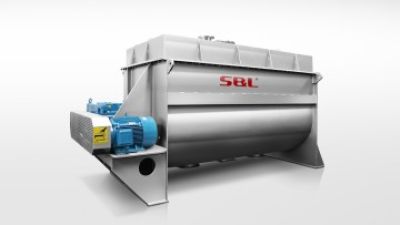
Horizontal ribbon mixers have emerged as vital equipment in numerous industrial processes due to their ability to provide efficient and uniform mixing of various materials. Their traditional double ribbon design enables gently blending ingredients, which is particularly advantageous for heat-sensitive materials that require careful handling. This gentle mixing action ensures that not only the integrity of the materials is maintained but also that the end product meets specific quality standards.
Moreover, the versatility of horizontal ribbon mixers caters to a wide range of applications across different sectors. With flexible capacities available, these mixers can accommodate varying production needs, making them suitable for both small-scale and large-scale operations. The paddle-style and discontinuous ribbon design enhance mixing efficiency, allowing for effective incorporation of diverse components. Additionally, the option of extra-large sizes supports the demanding requirements of modern manufacturing processes while facilitating efficient material handling in facilities with space limitations. Thus, the horizontal ribbon mixer stands out as an essential tool for industries seeking reliability and performance in their mixing operations.
FAQS
: Material compatibility is crucial to avoid equipment failures, which can be up to 30% due to mismatches.
Consider temperature sensitivity, thermal conductivity, and viscosity to ensure optimal performance.
Failing to maintain can lead to uneven mixing, overheating, and premature equipment failures.
Regular cleaning, lubrication, and inspections are critical for ensuring longevity and efficiency.
Proper training prevents misuse, reduces damage, and helps identify potential issues early on.
Effective temperature control preserves sensitive materials and improves blending accuracy in production processes.
In food processing, they blend and dry ingredients, providing uniform texture and flavor.
Dirty or damaged blades can lead to poor mixing quality and inefficiencies in operations.
Yes, lack of knowledge in handling can result in significant operational mistakes and increased costs.
Regular maintenance, proper material selection, and staff training are key to achieving optimal performance.
Conclusion
In the realm of industrial processing, the choice of a Mixer Dryer is crucial for efficiency and productivity. This article outlines essential tips for global buyers, emphasizing the importance of understanding Mixer Dryer fundamentals, including their key features and benefits. Evaluating specifications such as capacity, power, and energy efficiency is vital for selecting the right equipment to meet specific operational needs.
Additionally, material compatibility plays a critical role in ensuring optimal performance, while energy efficiency ratings can significantly impact operational costs. Maintenance tips are also covered to help prolong the lifespan of Mixer Dryers. Lastly, the article highlights common applications across various industries and the necessity of adhering to regulatory standards and safety compliance for global buyers, ensuring safe and efficient processing.