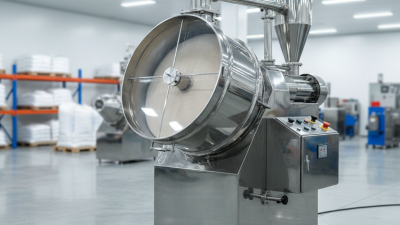
In the fast-changing world of mixing tech, the Non Gravity Mixerhas really started to turn heads as an innovative solution across a bunch of industries. Experts like John Smith from MixTech Innovations are quite excited about it—he mentions, "The Non Gravity Mixer changes the game for material handling by getting rid of the old-school limitations we used to face with traditional mixers."
What’s cool about this piece of equipment is that it can mix things evenly without needing gravity to do the work—something that’s a big deal in many fields. Take pharmaceuticals or food production, for example—precision and consistency aren’t just nice to have; they’re essential. The design of Non Gravity Mixers often means they can work more efficiently than the traditional options we’re used to. Still, there’s some chatter about whether the initial cost and ongoing maintenance are worth it.
Most users find that, even though these mixers can be more reliable in the long run, figuring out how they work can be a bit tricky at first. Some operators might find the technology a little intimidating or complex. But if you can get past that, the benefits are pretty clear—using a good Non Gravity Mixer can lead to better results and less waste. All in all, deciding whether to jump on this tech isn’t just about the upsides; it’s about weighing those against the potential challenges, carefully and thoughtfully.
Key Features of Non Gravity Mixers for 2026
In 2026, non-gravity mixers are becoming essential for various industries. These machines offer unique features that enhance efficiency and results. A key aspect to consider is their ability to mix materials without relying on gravitational forces. This design allows for a more uniform distribution of ingredients, which is vital for creating consistent products. Non-gravity mixers utilize advanced technology to ensure that every particle is thoroughly blended.
Another notable feature is their ease of use. Many operators find that non-gravity mixers, like the Feed Mixer, require less manual intervention. This automation can lead to significant time savings. Additionally, these mixers often come with options for precise control over mixing speeds and times. Users appreciate the flexibility to adjust settings according to specific needs. However, some users may struggle with initial setup or calibrating the machines for optimal performance.
Considering the design, non-gravity mixers are more compact than traditional equipment. This space-saving benefit can be crucial for businesses with limited floor space. While the benefits are clear, potential buyers must weigh these against the complexity of maintenance. There can be a learning curve associated with these advanced mixers, making it essential to invest time in training. Understanding both the strengths and challenges can lead to better purchasing decisions for buyers in 2026.
Advantages of Non Gravity Mixers Over Traditional Mixers
Non gravity mixers offer distinct advantages over traditional mixers. Their design allows for efficient mixing without reliance on gravitational forces. This results in a more uniform blend of materials, especially for powders and delicate substances. Users often find that their materials achieve better consistency and homogeneity, which can significantly impact the final product quality.
Cone Mixer, a popular type of non gravity mixer, are particularly effective in processing various materials. The conical shape promotes gentle mixing, reducing the risk of damage to sensitive components. Additionally, these mixers often occupy less space, making them ideal for facilities with limited room. Stakeholders appreciate the lower operational costs associated with these machines, as they often require less energy to function.
Despite their advantages, non gravity mixers are not without potential issues. The initial setup cost can be higher than that of traditional mixers. Furthermore, maintenance might require specialized knowledge, presenting a learning curve for some operators. Buyers should weigh these factors carefully against the benefits to make informed decisions.
Innovative Technologies in 2026 Non Gravity Mixers
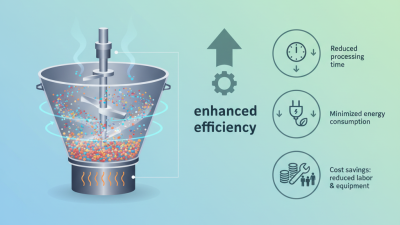
In 2026, non-gravity mixers are evolving with innovative technologies that enhance performance and efficiency. One standout feature is their advanced mixing algorithms. These algorithms ensure an even distribution of materials, minimizing waste. Users can expect a significant reduction in mixing time due to these smart technologies.
Automation is also a key aspect of modern non-gravity mixers. They now come equipped with sensors that monitor consistency in real-time. These sensors adjust mixing speeds and times based on the materials used. This adaptability leads to higher quality products, though it can introduce complexities in setup.
However, reliance on technology raises concerns. Users may face challenges in understanding the intricacies of these systems. Proper training is vital to maximize effectiveness. As these mixers become more sophisticated, potential issues may arise, warranting ongoing evaluation and reflection on operational practices.
Factors to Consider When Buying a Non Gravity Mixer
When purchasing a non-gravity mixer, several key factors come into play. Buyers should analyze the mixing capacity and efficiency. Reports indicate that non-gravity mixers can improve blending times by up to 30%. This efficiency can significantly lessen production cycles in various industries, which is a critical aspect for buyers.
Another important consideration is the material compatibility. Non-gravity mixers, including Atex Mixer models, should be suitable for different substances. This compatibility impacts the mixer’s longevity and performance. In studies, mixers that fail to match material specs incur repair costs averaging 15% of their purchase price.
Safety features can also determine a buyer's choice. Non-gravity mixers need to comply with international safety standards. This compliance ensures a safe functioning environment, essential in high-risk industries. Neglecting safety protocols can lead to accidents, resulting in serious consequences. Thus, understanding these features is vital for buyers looking for reliability and efficiency in their mixing operations.
Maintenance Tips for Optimal Performance of Non Gravity Mixers
When using a non-gravity mixer like the Nauta Mixer, regular maintenance is key for optimal performance. Keeping the equipment clean is essential. Residue buildup can hinder mixing efficiency. Scheduling routine inspections helps identify potential issues early. Replace worn parts promptly to avoid bigger problems down the line.
Lubrication plays a crucial role in the life of your mixer. Properly lubricated components reduce wear and tear. Always use the recommended lubricants. This small step significantly extends the mixer’s lifespan. Monitoring operating conditions is equally vital. Keep an eye on temperature and pressure. Adjustments may be needed based on these readings.
Operators should be trained to understand the mixer’s functions. Misuse can lead to malfunctions. Encourage feedback from the team. They often notice areas for improvement. Documenting maintenance activities fosters accountability. Use checklists to ensure nothing is overlooked. Regular training sessions can enhance overall understanding of the Nauta Mixer. This proactive approach ultimately enhances performance and reliability.
2026 Top Non Gravity Mixer Features and Benefits for Buyers
This chart illustrates the benefits and features of non-gravity mixers according to a survey of buyers in 2026. The data highlights the most valued aspects of these mixers, showing the emphasis on efficiency, ease of use, and maintenance needs.
Applications of Non Gravity Mixers Across Various Industries
Non gravity mixers are gaining traction in various industries due to their unique features and benefits. For example, the pharmaceutical sector relies heavily on these mixers for their ability to handle delicate powders without causing segregation. According to a report by MarketsandMarkets, the global pharmaceutical excipients market is projected to reach $10 billion by 2025, indicating a growing demand for precise mixing technologies.
In the food and beverage industry, non gravity mixers are vital for creating consistent product textures. They are particularly effective in combining ingredients like oils and emulsifiers, where any inconsistency can impact taste and quality. Research from the Food Processing Association highlights that nearly 75% of food manufacturers prioritize uniformity in their mixing processes, reinforcing the importance of reliable equipment in this sector.
However, not all applications benefit equally from non gravity mixers. For instance, some users report challenges when mixing highly viscous materials. Adjustments in speed and duration may be necessary to achieve desired outcomes. This insight prompts a reevaluation of mixing strategies. It underscores the need for continual learning and adaptation in operational practices.
Cost Considerations and Budgeting for Non Gravity Mixers
When considering a non-gravity mixer, cost is a significant factor. These mixers come with diverse price ranges. Understanding the initial investment and ongoing costs helps in making informed decisions.
Evaluate features that matter most for your operations. Look into variables like capacity, materials, and energy consumption. A detailed cost analysis can reveal long-term savings. Some mixers may have higher upfront costs but outperform in efficiency and durability. This can lead to lower operational costs over time.
Tip: Assess the total cost of ownership. It includes purchase price, maintenance, and energy use. This approach often uncovers more affordable options in the long run.
Budget constraints are common. Companies must balance quality and affordability. Explore financing options if upfront costs are high. Analyze your needs and product output before committing. This reflection can prevent future regrets.
Tip: Seek multiple quotes. Comparing different suppliers can help you find the best deal. Sometimes, negotiating can lead to unforeseen discounts. Understanding the market can be beneficial for your budget planning.
Maximizing Efficiency in Material Mixing: The Advantages of Double Paddle Mixers
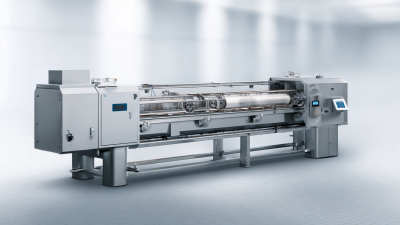
In the realm of material mixing, achieving efficiency is paramount, and the double Paddle Mixer excels in this regard. Its design features synchronized dual shafts and adjustable paddle angles that enhance the mixing process, making it particularly versatile for various industries. This mixer is engineered to ensure rapid blending, allowing for quick transitions between different materials and minimizing downtime during production. The adaptable nature of the double paddle mixer is evident in its ability to accommodate a wide range of applications, including those in the production of instant coffee.
One of the standout features of the double paddle mixer is its heavy-duty, wear-resistant construction, which guarantees durability even under continuous use. The incorporation of a bomb door facilitates swift discharging of mixed products, contributing to overall efficiency in the workflow. Additionally, the presence of replaceable paddles and an innovative lump breaker with a patent offers further advantages. The optimized mixing effect allows for effective blending of materials that may have significantly different loading rates, ensuring a uniform product quality. Altogether, these features underscore the importance of double paddle mixers in enhancing operational efficiency in material mixing processes.
FAQS
: Non-gravity mixers have advanced mixing algorithms that ensure even distribution of materials. They also minimize waste and reduce mixing time.
Automation and sensors monitor consistency in real-time. They adjust mixing speeds based on materials, improving product quality.
Users may find complexities in setup due to advanced features. Understanding these systems requires proper training.
Regular maintenance ensures optimal performance. Clean equipment helps avoid residue buildup, which can hinder efficiency.
Proper lubrication reduces wear and tear on components. It significantly extends the lifespan of the mixer.
Operators should be trained regularly to grasp mixer functions. Feedback from the team can highlight areas for improvement.
Operators must monitor temperature and pressure. Adjustments based on these readings may be required for efficient operation.
Documenting maintenance fosters accountability. Using checklists ensures that no important details are overlooked during upkeep.
Skipping inspections can lead to undetected issues. This could result in bigger problems later, impacting performance.
Team feedback often reveals unnoticed improvement areas. Continuous communication helps maintain equipment efficiency and effectiveness.
Conclusion
The article explores the essential features and benefits of Non Gravity Mixers in 2026, highlighting their key characteristics that distinguish them from traditional mixers. Advantages include improved mixing efficiency and the ability to handle a wider range of materials without being affected by gravity. The piece also discusses innovative technologies enhancing the performance of Non Gravity Mixers, making them more versatile and efficient.
Furthermore, factors to consider when purchasing a Non Gravity Mixer are outlined, ensuring buyers make informed decisions. Maintenance tips are provided to ensure optimal performance, while the various applications of these mixers across multiple industries showcase their adaptability. Finally, the article addresses cost considerations and budgeting strategies, helping buyers to understand the financial aspects involved in acquiring a Non Gravity Mixer.