inquiry
Leave Your Message
0%

In the fast-changing world of industrial mixing, Paddle Mixers really stand out as essential tools. Experts like John Smith—from MixTech Industries—often say, 'Picking the right Paddle Mixer can seriously boost your production efficiency.' As we get closer to 2026, it’s more important than ever for businesses to understand the different types out there.

Paddle Mixers aren’t just about getting the job done—they’re also a showcase of innovation. Every design is tailored for specific materials and processes, but honestly, many operators find it tricky to choose the perfect one. A common mistake? Overlooking whether a mixer actually suits their particular application. That kind of oversight can lead to wasted time, money, and resources.

Knowing the ins and outs of Paddle Mixers really makes a difference. Things like performance, durability, and how much upkeep a model needs vary quite a bit. But surprisingly, industry leaders sometimes overlook these little details, focusing only on the price tag. Come 2026, making smart, informed decisions about mixers will really help companies stand out in a competitive marketplace.
Top Paddle Mixer Types for 2026 What to Look For?

Types of Paddle Mixers: An Overview for 2026

Top Paddle Mixer Types for 2026 What to Look For?

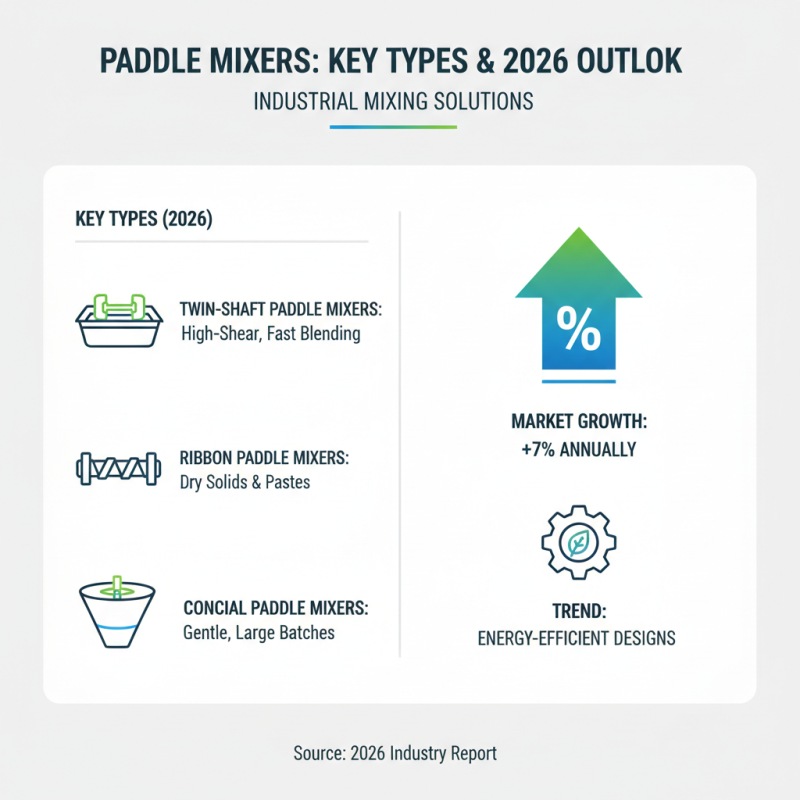
Paddle mixers play a vital role in various industries. In 2026, there are several key types to consider. Each type has unique features that cater to specific mixing needs. A recent industry report highlights that the demand for paddle mixers is projected to grow by 7% annually. Many manufacturers now focus on energy-efficient designs.

Horizontal paddle mixers are a popular choice. They provide uniform mixing and are ideal for dense materials. The design allows for a high level of consistency. However, some users report issues with maintenance, as the blades can wear out over time. Another option is the vertical paddle mixer, which is well-suited for lighter powders. These mixers often take up less floor space but might struggle with larger batches.

Consider the material quality when choosing a paddle mixer. Stainless steel remains a top choice for durability. But, there are downsides to consider. Some lower-cost materials may lead to corrosion. Additionally, understanding the mixer’s capacity is crucial. Overloading can result in poor mixing and equipment damage. Balancing these factors is essential for optimal performance in the long run.

Key Features to Consider When Choosing a Paddle Mixer

When selecting a paddle mixer, understanding key features is essential. The design of the mixing paddles significantly impacts performance. Consider the shape and size for optimal mixing results. A Plough Paddle Mixer often offers better efficiency due to its unique paddle arrangement. This design enhances material flow, ensuring uniform mixing.

Another aspect to evaluate is motor power. Opt for a mixer with sufficient motor strength to handle your specific materials. If your operations require heavy-duty mixing, underpowered equipment can lead to inefficiencies. Always verify the motor specifications before making a decision.

Pay attention to the material construction of the mixer. Stainless steel is a popular choice for durability and ease of cleaning. However, some operations may require more specific materials based on the product being mixed. It’s crucial to reflect on the materials used in your process to avoid contamination.

Tips: Test a few models before finalizing your choice. This allows you to understand the performance better. Always consult with an expert if unsure about the specifications. A little research goes a long way in choosing the right equipment.

Top Paddle Mixer Types for 2026 - Key Features to Consider When Choosing a Paddle Mixer

Paddle Mixer Type Capacity (Liters) Power (kW) Mixing Speed (RPM) Key Features
Standard Paddle Mixer 100 5.5 60 Versatile, ideal for dry and wet mixing
High-Shear Paddle Mixer 200 11 75 Excellent for emulsifying and homogenizing
Batch Paddle Mixer 150 7.5 50 Suitable for small to medium batches
Continuous Paddle Mixer 300 15 100 Designed for continuous flow processing
Double Shaft Paddle Mixer 250 10 80 High mixing efficiency, suitable for viscous materials

Comparative Analysis of Popular Paddle Mixer Designs

Paddle mixers have become crucial in various industries, particularly for blending bulk materials. Recent market research indicates that the paddle mixer sector is projected to grow significantly, with a compound annual growth rate (CAGR) of 4.5% through 2026. This growth stems from the increasing demand for efficient mixing solutions in food processing, pharmaceuticals, and construction.

When analyzing popular paddle mixer designs, several key features stand out. Dual-shaft paddle mixers are noteworthy for their ability to enhance blending efficiency. They can accommodate varying material sizes and viscosities more effectively than single-shaft models. According to industry reports, dual-shaft mixers can achieve a homogeneity level of up to 99.5% in less than three minutes. This makes them ideal for industries requiring precise mixtures.

Another design gaining traction is the vertical paddle mixer. It offers unique benefits, especially for sticky or cohesive materials. However, one cannot overlook the potential drawbacks. Some models may struggle with batch sizes larger than 500 liters, leading to inefficient processing times. In a world increasingly focused on productivity, these limitations warrant careful consideration and discussions on future improvements in design and functionality.

Material and Build Quality: Essential Factors for Durability

When selecting a paddle mixer, material and build quality are crucial. These factors determine the longevity and effectiveness of the mixer. A sturdy construction is essential for mixing various materials consistently. You want a mixer that withstands daily use without deteriorating quickly. Look for robust materials, like stainless steel, which provide strength and resistance to corrosion.

Tips: Always check for user reviews focusing on durability. They can provide insights beyond specifications. Pay attention to the welding and joints; these are often weak points. A well-built mixer will handle tough jobs without issues.

Another aspect to consider is the design. An ergonomic design reduces strain during use. A good Coffee Paddle Mixer should be comfortable to handle, even for prolonged periods. Sometimes, aesthetic features may lead to compromises in functionality. Consider a balance between looks and practical usability.

Tips: Don’t overlook maintenance. Regular upkeep extends the life of your mixer. Choose a model that allows for easy cleaning and replacement of parts if necessary. This can save costs and time in the long run.

Top Paddle Mixer Types for 2026: Material and Build Quality

Efficiency and Performance Metrics for Paddle Mixers

When choosing a paddle mixer, efficiency matters. Understand the mixing process and its impact on performance. Consider the design of the mixing blades. Blades should ensure an even blend. Look for models that allow flexibility in speed settings. Inadequate speed may lead to ineffective mixing. This is where a Battery Paddle Mixer shines. It provides consistent power without interruptions.

Performance metrics are key in evaluating mixers. Pay attention to mixing time and energy consumption. A well-optimized paddle mixer saves time and costs. Check for durability in construction materials. Weak materials may result in frequent repairs. Ensure that the mixer can handle different materials. A versatile machine increases its utility across various applications.

Don't ignore user feedback. Real-world experiences uncover hidden flaws in performance. Sometimes, specifications look great on paper, but the reality may differ. Consider testing a few models before making a decision. Balance performance and practicality. The right mix leads to successful outcomes in projects. Choosing wisely enhances productivity significantly.

Maintenance and Care Guidelines for Long-Term Use

Top Paddle Mixer Types for 2026 What to Look For?

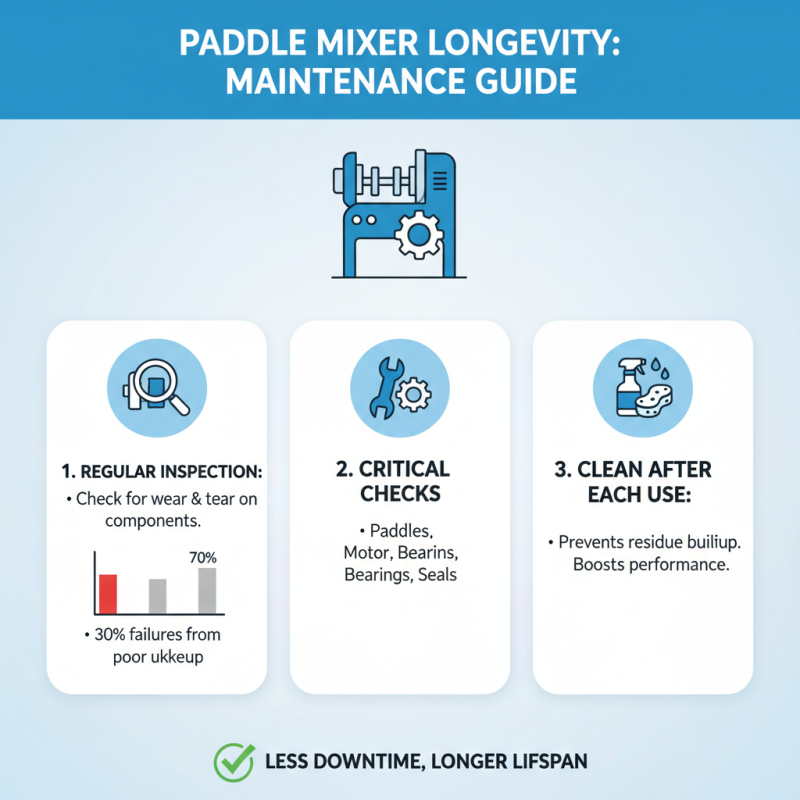
Proper maintenance of your Paddle Mixer Machine is crucial for longevity. Regular inspection is essential. Check for wear and tear in critical components. According to industry data, nearly 30% of mixer failures are due to inadequate upkeep. Cleaning the machine after each use can prevent residue buildup. This simple step enhances performance and reduces downtime.

Lubrication is another key aspect. Use the recommended lubricants on moving parts. This can decrease friction and improve efficiency. A recent report indicated that well-lubricated mixers can operate up to 25% more efficiently. However, too much lubricant can attract dirt. Finding the right balance is vital.

Operator training is imperative. Untrained personnel may mishandle the Paddle Mixer Machine, leading to accidents or damage. Regular training sessions can mitigate risks. Keeping a maintenance log is also helpful. This helps track any issues over time. Neglecting these practices can expose your operations to unexpected failures, impacting productivity.

Future Trends in Paddle Mixer Technology and Innovation

The future of paddle mixer technology is poised for significant advancements by 2026. Industry reports indicate a shift towards more energy-efficient designs. A key focus will be on reducing energy consumption by up to 30%. This efficiency is crucial as industries aim for sustainable practices. Enhanced materials, like composites, will improve durability and reduce maintenance needs.

Innovations will also integrate smart technologies. Sensors may monitor mixing performance in real-time. This could enhance quality control, leading to higher consistency in products. Data analytics will play a role in optimizing mixing processes. Predictive maintenance could reduce downtime significantly.

The market is expected to grow steadily, with a projected CAGR of 5.5% through 2026. Still, challenges persist. Manufacturers must ensure scalability while developing new technologies. Balancing cost-effectiveness and performance remains a critical task. User feedback will guide future innovations. The industry must remain adaptable.

The Essential Guide to Choosing the Right Ploughshare Mixer for Your Mortar and Cement Needs

When it comes to selecting a ploughshare mixer for your mortar and cement needs, understanding the nuances of efficiency and durability is crucial. A well-designed mixer should offer advanced mixing technology that not only enhances productivity but also optimizes material costs. Look for features such as wear-resistant components in the agitator, chopper, and vessel, as these will significantly prolong the equipment's lifespan, ensuring that you get the most out of your investment.

Additionally, consider the importance of an efficient discharge system. A pneumatic bomb door mechanism will provide quick and residue-free unloading, allowing for seamless transitions between batches and minimal downtime. Furthermore, high-speed operation capabilities are essential for achieving rapid homogeneity in your mixtures, a critical factor in applications like building materials, special mortars, and coatings. The right ploughshare mixer will thus not only meet your current production needs but also set the foundation for future efficiency and growth in your operations. Choose wisely, as the right equipment can significantly impact both quality and profitability in your projects.

FAQS

: What are common uses for certain products?

: They are often used for daily tasks. People enjoy their convenience.

How should I store these items properly?

Keep them in a cool, dry place. Avoid direct sunlight.

What safety precautions should I take?

Use protective gear when necessary. Follow instructions carefully.

Can these products have side effects?

Yes, some users report mild reactions. Always test a small area first.

How do I know if I’m allergic to something?

Monitor for redness or swelling. Stop use if you experience irritation.

What is the best way to dispose of unused items?

Follow local waste disposal guidelines. Some items require special handling.

Are there age restrictions for using these products?

Yes, some are not suitable for children. Check packaging for guidance.

Can I use these items for multiple purposes?

Many users find them versatile. However, results may vary by use.

How often should I replace these items?

It depends on usage. Regular checks can help determine replacement needs.

What should I do if I experience negative effects?

Discontinue use immediately. Consult a healthcare professional if symptoms persist.

Conclusion

The article "Top Paddle Mixer Types for 2026 What to Look For?" provides a comprehensive overview of the various types of paddle mixers available in the market and the essential features to consider when selecting one. It explores the key characteristics that define paddle mixers, offering insights into their performance, build quality, and efficiency metrics. A comparative analysis of popular designs highlights their strengths and weaknesses, helping users make informed choices.

In addition, the article emphasizes the importance of material durability and maintenance practices to ensure long-term use. It also discusses emerging trends in paddle mixer technology and innovation, indicating how the industry may evolve in the coming years. This guide serves as a valuable resource for anyone looking to invest in a paddle mixer, providing the necessary knowledge for optimal decision-making in 2026 and beyond.
Elena

Elena

Elena is a dedicated marketing professional with a profound expertise in the mixing solutions industry. Working at the forefront of our Shanghai manufacturing hub, she plays a pivotal role in showcasing our commitment to efficiency and reliability. With a strong background in product knowledge,......
Previous Exploring the 2025 Technology Trends in Mixing Solutions with the Best Stainless Steel Mixers