In the tough world of manufacturing, picking the right Solids Mixer isn't just a minor detail — it’s actually a big deal for keeping things running smoothly. Mark Johnson, who’s pretty well-known in the mixing tech scene, puts it plainly: "If you choose the wrong mixer, it can hurt your quality and drive up costs." His advice really hits home and makes you realize just how important it is for buyers worldwide to give this some serious thought.
The market’s pretty crowded with all sorts of Solids Mixers, each suited for different jobs. When you’re shopping around, it’s a good idea to check out things like the size, how well it mixes, and whether it’s compatible with your materials. For example, a high-shear solids mixer might be a game-changer in food production, but in pharma, you might need something else. Yeah, the options can feel kinda overwhelming, but making an informed choice pays off in the long run.
Since industry standards are always shifting, it's critical to stay flexible with your tech. New designs are popping up that boost efficiency and even help with sustainability — pretty cool, right? But hey, not every mixer is going to do the trick for every situation. It’s super important to think about your specific operational needs to stay ahead and succeed in this competitive space.
Overview of Solid Mixers: Importance and Applications
Solid mixers play a crucial role in various industries. They ensure uniform blending of materials, which is fundamental for product consistency. These machines are vital in sectors like pharmaceuticals, food processing, and chemical manufacturing. Each industry has specific mixing needs that influence the choice of mixer type.
One significant type is the Feed Mixer. It is used extensively in agriculture for blending animal feed. Proper feed mixing is essential to achieve the desired nutritional balance. Farmers often grapple with inconsistencies in feed quality, an issue that can impact livestock health. As such, the performance of a Feed Mixer can have far-reaching consequences.
While many mixers excel in achieving homogeneity, they aren't without flaws. Some might struggle with blending larger particle sizes. Others may require more maintenance than anticipated. This reality highlights the importance of assessing mixer capabilities against specific operational needs. Regular evaluation of equipment ensures that mixers continue to meet industry standards effectively.
Top 10 Solids Mixer Solutions: Overview of Solid Mixers
Key Features to Consider in Solid Mixers
When selecting a solid mixer, various factors come into play. One must consider the mixer’s capacity and efficiency. Different applications demand different sizes and speeds. Misjudging the capacity can lead to inefficiencies. A smaller mixer might not handle larger batches properly, causing inconsistent results.
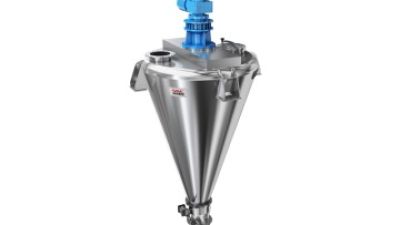
Another essential feature is the type of mixing mechanism. For instance, a Cone Mixer is known for its gentle yet effective mixing. It ensures even distribution of powders and granules. Additionally, it minimizes segregation and degradation of materials. This performance is vital in industries like pharmaceuticals and food processing.
Material composition is also crucial. Ensure the mixer is made from durable materials. Stainless steel is often preferred due to its resistance to corrosion. However, the maintenance of these materials can sometimes be neglected. Regular checks and cleaning are necessary to avoid contamination. Design features such as ease of cleaning can also impact usability. A user-friendly mixer can enhance operational efficiency.
Top 10 Solid Mixer Brands: A Global Perspective
Solid mixers play a crucial role in various industries. They ensure uniform blending of materials, enhancing product quality. Selecting the right brand is essential for optimal performance. Different mixers handle varying types of solids, such as powders, granules, or pastes.
When considering a solid mixer, look for features that boost efficiency. Blender designs impact the consistency of the final product. Pay attention to mixing speed and capacity that fits your needs. An Atex Mixer can be a great choice, especially for hazardous environments. These mixers ensure safety without compromising on mixing quality.
It's important to understand that not all brands are created equal. Some may excel in specific applications but fail in others. User reviews can provide insight into reliability. Always evaluate feedback from existing users. This practice helps in making informed decisions, especially when experimenting with new technology.
Comparative Analysis of Different Solid Mixer Types
When selecting a solids mixer, it’s vital to understand the various types available. Different mixers cater to specific needs. For instance, Ribbon Blenders excel in complex blends. Their design enhances material flow, making them great for powders. However, they can be less effective for cohesive materials. This can limit their versatility.
Another option is the paddle mixer. It is ideal for bulk materials, providing efficient blending. Its robust construction is reliable for heavy-duty tasks. Yet, the mixing time can vary significantly based on the materials used. This inconsistency may affect overall production rates.
Additionally, vertical mixers offer unique benefits. They save space in production facilities while delivering thorough mixing. However, they might not handle large volumes as efficiently as horizontal counterparts. Understanding each mixer's strengths and weaknesses is crucial. The right choice depends on your specific requirements and material characteristics.
Sourcing Solid Mixers: Tips for Global Buyers
When sourcing solid mixers, buyers should consider various factors. The design and functionality of the mixer can significantly influence performance. Look for options that optimize mixing efficiency and reduce the time required for batch processing. It is essential to understand the specific needs of your industry to select the right equipment.
Another consideration is the balance between price and quality. A higher cost does not always mean better performance. Research the materials used in construction. Durable mixers can lead to long-term savings through reduced maintenance. The Nauta Mixer is one example where innovative design can enhance the mixing process.
Global buyers should also think about support and service options available. Communication with suppliers is key. Clear channels can help resolve issues quickly. However, language barriers may create misunderstandings. Always clarify specifications and after-sales support in advance. Doing diligence in sourcing can save future headaches.
Top 10 Solids Mixer Solutions for Global Buyers
| Mixer Type | Capacity (L) | Power (kW) | Mixing Speed (RPM) | Material Compatibility | Price Range ($) |
| Vertical Mixer | 200 | 5 | 30 | Granular, Powder | 2000 - 3000 |
| Horizontal Ribbon Mixer | 500 | 7.5 | 25 | Powder, Granular | 4000 - 6000 |
| Planetary Mixer | 150 | 3 | 60 | Paste, Slurry | 3000 - 4500 |
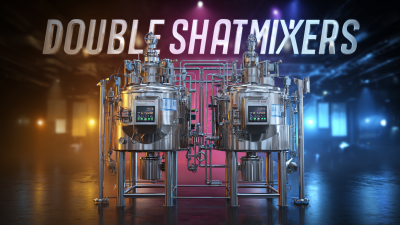
| Double Shaft Mixer | 1000 | 10 | 20 | Powder, Granular | 5000 - 7000 |
| Continuous Mixer | 2000 | 15 | 40 | Granular, Powder | 8000 - 12000 |
| Tumble Mixer | 300 | 4 | 15 | Granular | 1500 - 2500 |
| High Shear Mixer | 600 | 8 | 120 | Liquid, Powder | 4000 - 7000 |
| Paddle Mixer | 550 | 6 | 30 | Granular, Solid | 3000 - 5000 |
| Cone Blender | 400 | 5.5 | 25 | Powder | 2500 - 4000 |
| Mixer Granulator | 350 | 4 | 40 | Powder, Granular | 2000 - 3500 |
Innovative Technologies in Solid Mixing Solutions
Innovative technologies in solid mixing solutions are transforming industries worldwide. Advanced mixer designs enhance efficiency and facilitate better blending of various materials. Flexible equipment meets diverse needs, catering to food, pharmaceutical, and construction sectors.
One notable trend involves the adoption of smart technologies. Sensors now monitor mixing processes in real-time. This results in improved accuracy and consistency in product quality. Automation offers another layer of efficiency. Automated systems reduce human error while increasing throughput. However, integrating these systems can be challenging. Companies must invest in training and infrastructure.
Another aspect to consider is the environmental impact. New designs focus on sustainability, using less energy and reducing waste. While these innovations are promising, they also require a shift in mindset. Companies must balance cost with the benefits of environmentally friendly practices. Failure to adapt may hinder competitive advantage in the long run.
Case Studies: Successful Implementations of Solid Mixers
In the world of solids mixing, case studies reveal the importance of selecting the right mixer for specific applications. A recent report indicated that industries witnessed a 15% increase in efficiency using customized mixing solutions. For example, a food processing plant improved its batch consistency by implementing a high-shear mixer, which ensured a uniform blend of ingredients. This change reduced waste and production time significantly.
The pharmaceutical industry has also benefited from advanced solid mixers. One case involved a manufacturer that shifted from traditional blending methods to a ribbon mixer. This upgrade led to a 20% enhancement in mix uniformity. The precise control over mixing parameters ensured that active ingredients were evenly distributed, critical for product quality and compliance.
Tip: When evaluating a solids mixer, consider your specific requirements, including batch size and desired mixing speed. Test runs can often unveil hidden issues.
It's essential to recognize that not all mixers will meet every need. In some instances, organizations may struggle with machine maintenance or inconsistent results. Regular assessments and feedback loops can help identify areas for improvement, ensuring your mixing process remains efficient and reliable.
Tip: Document your mixing process. This allows for easier troubleshooting and analysis over time.
Exploring the Versatility and Efficiency of Conical Screw Mixers in Industrial Applications
The versatility and efficiency of conical screw mixers have made them a staple in various industrial applications. These mixers are specifically designed for gentle yet effective mixing, making them well-suited for industries that require delicate handling of materials. The low shear mixing capability is essential for maintaining the integrity of sensitive components, ensuring that the final product meets the highest quality standards. With options for either single or twin screws, manufacturers can choose a configuration that best fits their production needs.
One of the significant advantages of conical screw mixers is their traditional design that allows for soft mixing at low speeds. This feature not only preserves the quality of the materials being mixed but also minimizes energy consumption, making it a cost-effective choice for manufacturers. Additionally, the mixers are equipped with side discharge options and a center rotary spraying design, which enhances their functionality for various applications, including drying liquid in powder form. Their large sizes and mature production capabilities further underline their efficiency in an industrial setting, catering to high-volume requirements while ensuring a consistent mix. Regular maintenance is crucial, given their structure, to ensure optimal performance and longevity.
FAQS
: Solid mixers ensure uniform blending of materials, enhancing product quality across various sectors.
Look for features that boost efficiency, such as mixing speed, capacity, and suitable design for your materials.
No, some mixers excel in certain applications but may not perform well in others. Evaluate carefully.
The adoption of smart technologies, like sensors, helps monitor mixing processes in real-time for better accuracy.
Automation reduces human error and increases throughput, but integrating these systems can be challenging.
Companies must focus on using less energy and reducing waste, balancing costs with environmental practices.
A food processing plant improved batch consistency and reduced waste by switching to a high-shear mixer.
Regular assessments identify maintenance issues and improve operational efficiency, ensuring reliable mixing processes.
Documenting the mixing process helps troubleshoot issues and analyze performance over time.
Companies may struggle with maintenance and ensuring consistent results, which requires ongoing evaluation and feedback.
Conclusion
The article "Top 10 Solids Mixer Solutions for Global Buyers" provides a comprehensive overview of solids mixers, emphasizing their significance and diverse applications across various industries. It details key features that buyers should consider, such as mixing efficiency, durability, and ease of maintenance. The content also includes a comparative analysis of various types of solids mixers, helping buyers understand their options and make informed decisions.
Additionally, the article offers practical sourcing tips for global buyers looking to procure solids mixers, highlighting innovative technologies that enhance mixing performance and efficiency. Through case studies, it showcases successful implementations of solids mixers, illustrating their impact on operational productivity. This resource serves as a valuable guide for those seeking effective solids mixing solutions in today’s competitive market.