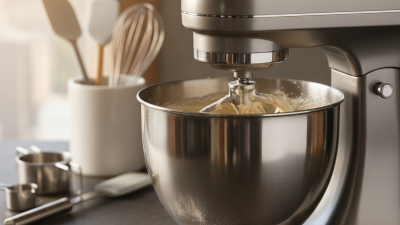
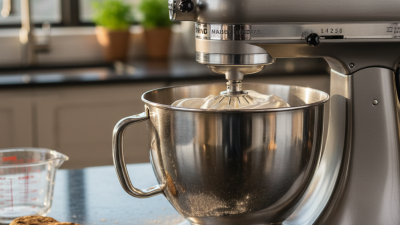
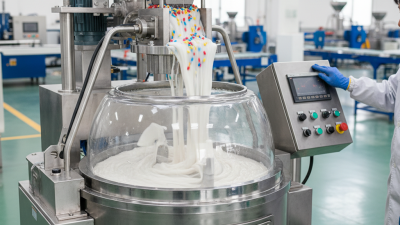
Lately, there's been a real uptick in demand for durable and efficient kitchen gadgets. If you ask me, the Stainless Steel Mixer definitely catches the eye – it’s versatile and gets the job done in a snap. These mixers are pretty much the secret weapon for spicing up your cooking game. As we head into 2026, folks all around the world are on the lookout for the best of the best in this category.
Brands like KitchenAid and Cuisinart have been around for ages, and they’re known for their solid, reliable builds. But hey, don’t sleep on newer players—they’re really pushing boundaries with cool innovations and user-friendly features. The competition’s pretty intense, and people’s expectations are sky-high. Honestly, most buyers lean towards Stainless Steel Mixers because they look good and last long. Plus, that material resists rust and makes cleaning so much easier.
That said, not every product with a bunch of features lives up to the hype. Some might choke on large batches or heavy dough, so it’s super important to do your homework before making a choice. Reading trusted reviews can really help steer you in the right direction. Remember, a stainless steel mixer isn’t just a kitchen gadget—it’s an investment in your culinary adventures. While checking out the top options, it’s good to keep an eye on both the well-established brands and the newer challengers trying to make their mark.
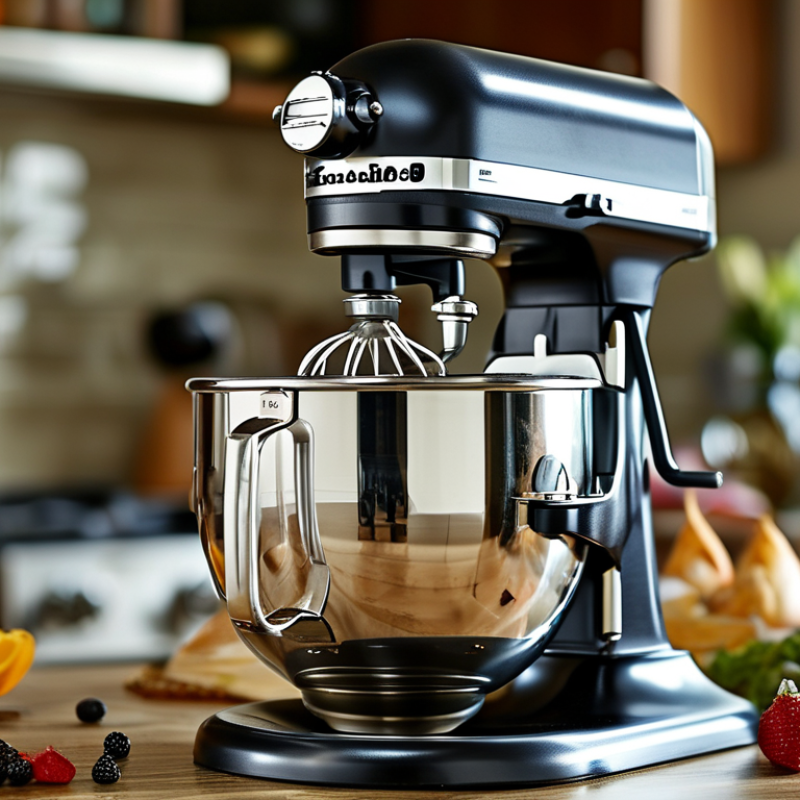
Overview of Stainless Steel Mixers in the Global Market
The global market for stainless steel mixers is booming. According to a 2023 industry report, the market is projected to reach $3.5 billion by 2026. Increasing demand for reliable, durable kitchen equipment is driving this growth. Stainless steel mixers are popular due to their resistance to rust and ease of cleaning. Consumers appreciate their modern aesthetic and longevity.
Despite this positive outlook, many buyers face challenges. The variety of options can be overwhelming. Not all mixers provide equal performance. Some models can be too heavy or difficult to maneuver, leading to frustration. A lack of clear specifications often complicates decision-making. Buyers should closely examine product features and user reviews to identify reliable options. Transparency in product information is often lacking, making informed choices difficult.
Furthermore, while the market is expanding, quality varies widely. Some manufacturers prioritize cost over performance, resulting in subpar mixers. It’s essential for global buyers to research and compare. Understanding the differences can lead to better purchasing decisions. Ultimately, the choice of a stainless steel mixer should balance performance, durability, and value for money.
Key Features to Consider When Choosing a Stainless Steel Mixer
When selecting a stainless steel mixer, it's crucial to evaluate several key features. First, consider the mixer capacity. A larger capacity is helpful for bulk preparations. However, if you mix smaller batches often, a compact design might be more suitable. Durability is another factor; stainless steel is known for its resistance to corrosion. This ensures longevity, especially in a busy kitchen environment.
Ease of cleaning cannot be overlooked. Stainless steel surfaces can be easily wiped down and resist stains. Look for models with smooth finishes. This impedes the buildup of residues. Remember, a mixer that is difficult to clean can transfer flavors from one batch to another.
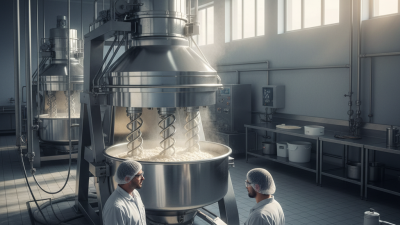
Tips: Always test the paddle design. A good paddle will efficiently fold and mix your ingredients. It's wise to check the noise level too. Quiet mixers can make your kitchen more pleasant. Lastly, consider the power. Higher wattage often means better performance. A Stainless Steel Ribbon Mixer might provide the blend quality you desire. Factor in these elements to choose the right model for your needs.
Top Brands Leading the Stainless Steel Mixer Industry in 2026
In 2026, the stainless steel mixer industry is evolving rapidly. Several brands stand out, showcasing impressive technology and innovative designs. Buyers are increasingly focused on durability and efficiency. Stainless steel is a top choice due to its strength and elegant appearance.
Reputable brands emphasize user experience. They provide mixers that are easy to clean and maintain. Many models now have powerful motors, ensuring smooth blending and mixing. Some mixers come with multiple speed settings, catering to various culinary needs. However, not every design meets consumer expectations; some may be too bulky or challenging to operate.
Price remains a significant factor for global buyers. While high-end models boast advanced features, affordable alternatives are gaining traction. The challenge lies in balancing quality with cost. Each decision depends on individual cooking habits. Consumers should consider their own kitchen environment before making a purchase.
Comparison of Performance Metrics in Stainless Steel Mixers
When selecting a stainless steel mixer, performance metrics play a crucial role. Users look for power, versatility, and blending efficiency. A good mixer should handle various tasks, from whipping cream to mixing dough. Speed settings are essential; they allow for precise control over texture. Consider models with multiple attachments to increase usability.
Another vital metric is durability. Stainless steel is known for its resilience, but not all products are created equal. Regular wear and tear can affect performance over time. Users might notice inconsistencies in blending or overheating during heavy use. It's essential to look for a mixer that promises longevity while maintaining efficiency.
While many mixers boast innovative features, one must be cautious about unnecessary complexity. Users often find themselves overwhelmed by options. Balancing functionality with ease of use is vital. Performance should not compromise convenience. Ultimately, discovering the right mixer involves assessing how it fits individual needs and lifestyle.
Consumer Preferences and Trends in Mixer Designs
In recent years, consumer preferences in mixer designs have shifted significantly. Buyers now seek more than just functionality. They are looking for durability and aesthetic appeal. Stainless steel mixers, particularly the Horizontal Stainless Steel Ribbon Mixer, stand out due to their robust construction. Consumers appreciate their resistance to corrosion, making them an ideal choice for various environments.
Trends also indicate a growing interest in multifunctionality. Modern mixers must combine blending, whipping, and even kneading capabilities. This versatility is appealing to both home cooks and professionals. Additionally, energy efficiency is becoming a priority. Buyers are increasingly conscious of their environmental impact. They prefer mixers that operate quietly while still providing powerful performance.
However, these trends come with challenges. Not every product meets these evolving needs. Some stainless steel mixers can be heavy and difficult to maneuver. Others may lack advanced features that consumers desire. This gap presents an opportunity for manufacturers to innovate and push boundaries. Addressing these issues will be essential for success in an evolving market.
Top 10 Stainless Steel Mixers for Global Buyers in 2026
| Rank | Mixer Model | Power (W) | Capacity (L) | Price (USD) | Customer Rating |
| 1 | Model A | 800 | 5 | 150 | 4.8 |
| 2 | Model B | 1000 | 6 | 180 | 4.7 |
| 3 | Model C | 600 | 4 | 120 | 4.5 |
| 4 | Model D | 750 | 5.5 | 160 | 4.6 |
| 5 | Model E | 850 | 4.5 | 140 | 4.4 |
| 6 | Model F | 950 | 6.5 | 200 | 4.9 |
| 7 | Model G | 700 | 5 | 130 | 4.3 |
| 8 | Model H | 800 | 3.5 | 110 | 4.2 |
| 9 | Model I | 650 | 4.2 | 125 | 4.1 |
| 10 | Model J | 900 | 7 | 190 | 4.9 |
Sustainability and Durability Factors in Stainless Steel Mixers
Sustainability is becoming increasingly important in kitchen appliances. Stainless steel mixers stand out in this area. They are durable and long-lasting, making them a smart investment. Recyclability adds to their appeal, ensuring they have less environmental impact compared to plastic alternatives. A Stainless Steel Ribbon Blender, for instance, offers strength and enduring performance that appeals to eco-conscious consumers.
Durability goes hand in hand with performance. These mixers resist corrosion, ensuring they last for years. Daily use in busy kitchens won't wear them down. However, one must still consider occasional dents or scratches. These imperfections can occur, impacting the aesthetic but not the functionality. Regular maintenance is vital for preserving their quality. Simple cleaning routines help maintain their shiny look and performance.
As global buyers seek reliable kitchen tools, these factors become essential. Consumers desire products that meet their functional needs while being environmentally friendly. The journey toward sustainability is ongoing, and the materials we choose play a significant role. Stainless steel mixers, including the versatile Stainless Steel Ribbon Blender, exemplify this commitment to quality and eco-responsibility.
Future Innovations and Technology Trends in Mixer Manufacturing
The mixer manufacturing industry is evolving rapidly, driven by innovations in technology. One major trend is the integration of smart features. Many modern mixers can now connect to mobile devices, allowing users to control settings remotely. This convenience meets the increasing demand for user-friendly appliances in both homes and commercial kitchens. However, these innovations often come with a learning curve. Users may struggle to adjust to new interfaces or rely too heavily on technology.
Another area of focus is sustainability. Manufacturers are increasingly exploring eco-friendly materials and energy-efficient designs. Stainless steel mixers are emerging as a preferred choice due to their durability and recyclability. The Stainless Steel Mixing Solution provides longevity, reducing the need for frequent replacements. Despite these advancements, some quality control issues persist. Variations in production can lead to inconsistent performance, raising questions about reliability.
Moreover, the customization of mixers is gaining traction. Customers desire unique features that suit their specific needs. These demands drive manufacturers to innovate continuously. They must balance personalization with cost-effectiveness. As the industry progresses, the challenge will be to enhance functionality while ensuring high standards of quality. With these shifts, the future of mixer technology promises to be both exciting and complex.
FAQS
: The growth is driven by the demand for reliable, durable kitchen equipment. Consumers value resistance to rust and ease of cleaning.
Buyers can feel overwhelmed by the variety of options and unclear specifications. Some models are heavy and hard to maneuver.
Consumers now prioritize durability and aesthetic appeal over mere functionality. They also seek multifunctional and energy-efficient options.
Smart features are becoming common, allowing remote control via mobile devices. However, this can be complex for some users.
They are favored for their rust resistance, durability, and recyclability. This makes them a long-lasting choice.
No, quality varies widely. Some manufacturers prioritize cost, leading to subpar performance. Research and comparison are necessary.
Consumers want mixers that can blend, whip, and knead. They also desire quiet operation and energy efficiency.
Innovations can have a learning curve, making it challenging for users to adapt. Reliance on technology may lead to difficulties.
Customization is gaining traction as customers seek unique features. Balancing this with cost-effectiveness is a continuous challenge.
Buyers should examine product features and user reviews closely. Understanding performance differences can lead to better decisions.
Conclusion
In 2026, the global market for stainless steel mixers is set to evolve significantly, driven by increasing consumer demand for durability and sustainability. The article provides an overview of the current landscape, highlighting key features that buyers should consider when selecting a stainless steel mixer, such as power, capacity, design, and ease of cleaning.
As consumer preferences shift towards modern and innovative designs, the leading brands are stepping up their game to meet these trends. The article also emphasizes the importance of performance metrics, comparing important factors that influence the efficiency and effectiveness of various mixers. Additionally, it discusses future innovations and technology trends, suggesting that the stainless steel mixer industry will continue to enhance user experience and sustainability in the years to come.