In today’s fast-changing world of manufacturing, picking the right technology can really make a big difference in how efficient your operations are and how much you can produce. Take, for example, a Vertical Dryer – it offers quite a few benefits that can really help companies across different industries around the globe. This kind of equipment is specially made to improve drying processes, making them more effective and less of a hassle. Companies like Innovative Drying Solutions have jumped on board with these technologies, which help save energy and cut down costs.
Knowing what a Vertical Dryer can do is pretty important if you’re making decisions for your business. Not only does it make workflows smoother, but it also helps cut down on product loss caused by moisture staying in the product. Plus, many manufacturers love the fact that it saves space — giving you more room to work with on your floor plan. For international buyers, thinking about the long-term effects of adopting this kind of technology is key. If you invest wisely, it could really level up your production game.
That said, bringing in a Vertical Dryer isn’t all smooth sailing. The initial investment can be pretty high, which might make budget-conscious folks a bit wary. And of course, proper training for staff is essential to get the most out of it. To keep things running efficiently, it’s a smart move to regularly check and evaluate how the system is performing. Staying proactive about making improvements means you’ll get the most out of your investment and can address any issues early on.
All in all, while there are some hurdles, embracing this technology could genuinely transform how you handle your manufacturing processes, making things more streamlined and efficient in the long run.
Top Advantages of Vertical Dryers for Efficient Industrial Operations
Vertical dryers offer significant advantages for industrial operations. Their design optimizes airflow, ensuring uniform drying. This efficiency reduces energy consumption and operational costs. Many industries benefit from lower water content in products, enhancing quality.
The compact nature of vertical dryers saves floor space. This is crucial in facilities where every square foot counts. Moreover, maintenance is often simpler, allowing for quicker repairs. However, users should evaluate the specific needs of their process. Not all applications may suit a vertical dryer.
Another point to consider is their adaptability. Vertical dryers can handle various materials, from textiles to food products. This versatility is appealing but requires careful calibration. Potential users should be aware of these challenges. In some cases, adjustment periods may be necessary before achieving optimal performance.
Energy Savings: How Vertical Dryers Reduce Consumption by Up to 30%
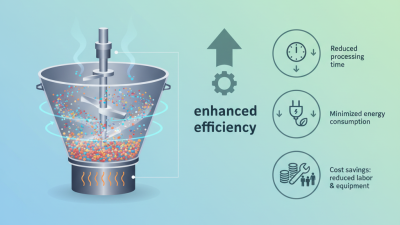
Energy efficiency is a primary concern for many industries today. Vertical dryers offer a compelling solution by reducing energy consumption significantly. Research indicates that these dryers can lower energy usage by up to 30%. This reduction is vital as energy costs continue to rise. The design of vertical dryers promotes effective airflow. This efficiency means materials dry faster, with less energy spent.
In addition to reducing costs, vertical dryers also improve productivity. Faster drying times lead to quicker turnaround rates. For manufacturers, this can mean more processed goods and better profit margins. Yet, some businesses may hesitate to switch. Challenges like initial installation costs or the need for staff training can arise.
Investing in vertical dryers might require upfront resources. However, the long-term energy savings can balance those early expenditures. Adopting new technology isn't without its issues, yet the potential for reduced energy costs cannot be overlooked. A thorough evaluation of operational needs can help inform decisions.
Enhanced Space Utilization: Maximizing Plant Layout with Vertical Design
Vertical dryers are becoming essential in optimizing space within manufacturing plants. Their design allows for a smaller footprint compared to traditional horizontal dryers. This increased verticality can lead to an up to 40% reduction in floor space usage. Manufacturers can better allocate their resources and equipment. According to industry studies, this reduction leads to improved efficiency in logistics and workflow management.
Moreover, the vertical design can support enhanced airflow and even drying processes. This results in improved product quality and reduced energy consumption. A report from the Institute of Industrial Engineers highlights that equipment operating in a vertical orientation can save up to 25% more energy than their horizontal counterparts. However, transitioning to vertical systems, such as Vertical Cone Mixers, often requires careful planning. Companies may face challenges in adapting existing layouts and integrating new machinery into their workflows.
As companies consider the shift to vertical designs, they must address potential shortcomings. Initial setup costs can be higher, and employee training is crucial to maximize these systems’ benefits. Ensuring a seamless transition will depend on understanding these complexities and mitigating risks. Balancing space efficiency and operational effectiveness is key for any manufacturer.
Reduced Maintenance Costs: Longevity and Low Upkeep of Vertical Dryers
Vertical dryers have distinct advantages, particularly in terms of maintenance costs. A recent report from the International Journal of Industrial Technology highlights that vertical dryers typically require 30% less maintenance than traditional drying systems. This reduction translates to lower operational expenses for manufacturers. The design of vertical dryers minimizes wear and tear, leading to a longer lifespan. For instance, they often last up to 15 years, significantly reducing replacement costs.
Moreover, vertical dryers’ efficiency can be improved when paired with technologies like a Vertical Screw Mixer. This combination optimizes product processing and further decreases the frequency of maintenance. Even though the initial investment might be higher, the total cost of ownership decreases over time due to fewer repairs and parts replacement. However, it's crucial to consider aspect ratios and loading conditions; improper use can negate some of these benefits.
Data from industry studies indicate that well-maintained vertical dryers can achieve energy efficiency rates of over 85%. However, not all operators adhere to best practices, potentially leading to issues. Regular inspections and proper training for staff can help mitigate these risks. Low upkeep is beneficial, but it requires a commitment to appropriate operational routines. This balance underscores the importance of understanding the specific needs of vertical dryers to fully leverage their potential.
Top 10 Vertical Dryer Benefits for Global Buyers
Increased Product Quality: Achieving Consistent Drying Results with Vertical Systems
Vertical systems offer significant advantages in achieving consistent drying results. This leads to increased product quality for businesses. A vertical dryer can streamline the drying process, ensuring that materials receive uniform exposure to heat. By minimizing temperature fluctuations, it prevents over-drying or under-drying, which can compromise product integrity.
Tips: Always monitor the drying parameters. Regular checks can help detect inconsistencies quickly. You might need to adjust settings based on the material's moisture content. Consider installing sensors to automate this process.
Additionally, using a Vertical Screw Hopper in conjunction with vertical drying technology can enhance efficiency. It allows for precise material handling and better feed control. This means your drying system operates at optimal levels, reducing waste. However, it's essential to understand potential limitations, such as maintenance requirements and initial setup complexity. Balancing these factors can lead to improved product outcomes.
Faster Drying Times: Vertical Dryers and Their Impact on Production Speed
Vertical dryers have gained attention for their remarkable efficiency. They substantially reduce drying times compared to traditional methods. In industries where production speed is critical, such dryers can significantly impact overall output. Their vertical design optimizes space and energy use, promoting a faster workflow in manufacturing environments.
Many manufacturers have reported improvements in drying efficiency. This not only speeds up production but also minimizes downtime. The faster the drying process, the quicker the materials can be processed. This is vital in textile or food industries. Many businesses have experienced better supply chain management as a result. However, some users note challenges in operating these dryers, including regular maintenance to ensure longevity and consistent performance.
Integrating technology with a Vertical Ribbon Mixer can further enhance results. This combination allows for uniform mixing and drying. While the benefits are clear, operators must also be aware of their equipment limitations. It’s crucial to maintain balance between speed and quality. Many users find that constant monitoring is necessary. Effective training for staff handling these dryers is also essential. The need for adaptation can be seen as a learning curve.
Adaptability: Versatile Applications of Vertical Dryers Across Various Industries
Vertical dryers showcase remarkable adaptability, making them essential across diverse industries. They effectively handle various materials, from textiles to food products. This versatility facilitates their use in sectors such as pharmaceuticals, agriculture, and manufacturing. Each industry requires specific drying techniques, and vertical dryers meet these needs efficiently.
In the textile industry, for instance, vertical dryers improve fabric quality by ensuring even moisture removal. Such precision helps reduce defects. Meanwhile, in agriculture, these dryers handle grains and seeds, enhancing product shelf life. The adaptability of these machines does come with challenges. Users need to consider material compatibility and drying times.
Moreover, businesses often face limitations in space. However, the compact design of vertical dryers allows for flexibility in installation. They can be integrated into existing processes with minimal disruption. Users must remember to evaluate operational costs versus benefits. This analysis helps ensure these dryers meet their specific requirements effectively.
Top 10 Vertical Dryer Benefits for Global Buyers
| Benefit | Description | Industry Application |
| Energy Efficiency | Uses less energy compared to traditional drying methods. | Food Processing |
| Compact Design | Requires minimal floor space, ideal for limited installation areas. | Textile Industry |
| Versatile Product Handling | Can handle a wide range of materials, including small and delicate items. | Manufacturing |
| Uniform Drying | Ensures consistent drying across all products, avoiding hotspots. | Pharmaceuticals |
| Reduced Moisture Content | Achieves lower moisture levels quickly, enhancing shelf life. | Agriculture |
| Improved Airflow | Enhanced airflow design leads to faster evaporation rates. | Electronics |
| Cost-Effectiveness | Lower operational costs due to reduced energy and labor needs. | Construction Materials |
| User-Friendly Controls | Easy to operate with intuitive control systems for diverse users. | Food Service |
| Durability | Designed for long-lasting performance under various operating conditions. | Heavy Industry |
| Adaptability to Process Changes | Easily adjustable to accommodate different materials or drying protocols. | Recycling |
FAQS
: They are known for significantly reducing energy consumption, up to 30%.
Faster drying times lead to quicker turnaround rates and more processed goods.
Yes, the initial installation and staff training can be costly.
They reduce drying times, impacting overall output positively.
Yes, users may face maintenance issues that require attention for consistent performance.
Their vertical design optimizes space and energy, enhancing workflow.
Constant monitoring and effective staff training are essential.
Yes, combining with mixers can improve uniform mixing and drying.
Concerns about costs and the need for staff adaptation can influence decisions.
It's important to balance speed and quality for optimal results.
Conclusion
Vertical dryers offer numerous advantages for efficient industrial operations, making them an attractive choice for global buyers. One of the key benefits is energy savings, with vertical dryers capable of reducing energy consumption by up to 30%. Their innovative design not only enhances space utilization within a plant but also leads to reduced maintenance costs due to their longevity and low upkeep requirements. Moreover, vertical dryers ensure increased product quality by achieving consistent drying results, which is crucial for maintaining standards in production.
Additionally, the faster drying times facilitated by vertical dryers significantly impact production speed, allowing for quicker turnaround times in various manufacturing processes. Their adaptability makes them versatile for diverse applications across multiple industries, further cementing their role as a valuable asset in modern industrial operations. Overall, vertical dryers represent a compelling solution for companies seeking to optimize their drying processes while minimizing costs and maximizing productivity.