Inquiry
Form loading...
Picking the right equipment for your lab really makes a difference, especially when you're mixing different substances. One essential tool you definitely want to know about is the Vacuum Mixer. It’s not just about blending everything evenly — it also helps improve the quality of your results by smashing down air bubbles and keeping things consistent. As labs are pushing for higher standards of efficiency and reliability, it's more important than ever to understand what sets one Vacuum Mixer apart from another.
At Shuanglong Group Co., Ltd., we’re all about providing cutting-edge solutions that are customized to fit the unique needs of different labs. Our team of over 150 pros in Shanghai works hard to combine the latest technology with solid support — basically, we want to be your go-to partner when it comes to mixing equipment. Our Vacuum Mixers are built to meet the highest standards out there, so you can trust they’ll help you get the best results, whatever your specific applications are. In this ultimate guide, we’ll walk you through the top 10 features to look for when choosing the right Vacuum Mixer for your lab — because making the right choice really matters.
When selecting a vacuum mixer for laboratory needs, several key features must be considered to ensure optimal performance and reliability. First and foremost, the mixing capacity is crucial; you should evaluate the volume of materials you intend to process. Larger applications require mixers with higher capacities and robust designs to handle demanding workloads. The speed and consistency of the mixing process also play a significant role, as efficient homogeneity can be critical for experiments or formulations.
Another important aspect to consider is the vacuum level the mixer can achieve. A high-quality vacuum mixer should provide an adequate vacuum to eliminate air pockets, which is essential for applications sensitive to oxidation or contamination. Additionally, the materials used in the construction of the mixer should be regarded, particularly if you are working with corrosive substances or need to maintain cleanroom standards. Lastly, ease of cleaning and maintenance should not be overlooked, as this will affect the longevity and efficiency of the vacuum mixer in a busy laboratory environment.
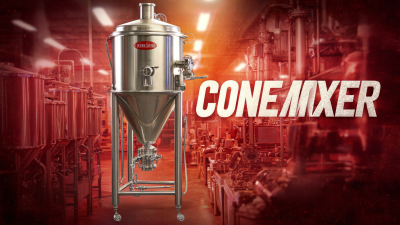
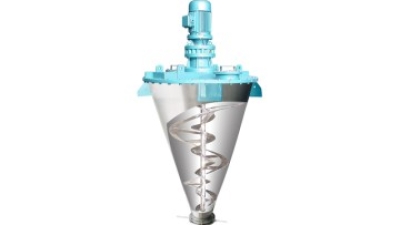
The growing demand for conical Ribbon Mixers is a reflection of the increased need for efficient and space-saving mixing solutions across various industries. Recent industry reports highlight that the global mixer market is expected to grow significantly, driven by advancements in technology and a shift towards more versatile equipment. The Conical Ribbon Mixer stands out due to its unique combination of advanced engineering and traditional design. This innovative equipment provides gentle yet efficient mixing capabilities, making it suitable for a wide range of applications—from food processing to pharmaceuticals.
One of the key benefits of the Conical Ribbon Mixer is its customizable options, which allow businesses to tailor the size and features according to their specific mixing needs. Industry analysts indicate that companies are increasingly seeking equipment that not only saves space but also offers greater operational efficiency. The conical cylindrical body design of this mixer allows for optimal mixing without occupying too much floor space. Additionally, its sealing structure, which is similar to that of GPH models, minimizes the risk of oil leakage, thereby enhancing overall equipment reliability and reducing maintenance costs.
Moreover, when compared to traditional GPH models, the Conical Ribbon Mixer provides a lower-cost alternative without compromising on performance. It also incorporates an upgraded dynamic hopper that enhances mixing functionality, making it an attractive choice for manufacturers looking to improve their production processes. As market trends continue to evolve, the conical ribbon mixer is poised to become a crucial component in the quest for more efficient, reliable, and cost-effective mixing solutions across multiple sectors.
: When selecting a vacuum mixer, you should evaluate the volume of materials you intend to process. Larger applications require mixers with higher capacities and robust designs to handle demanding workloads.
A high-quality vacuum mixer should achieve an adequate vacuum to eliminate air pockets, which is essential for applications sensitive to oxidation or contamination.
Vacuum mixers come in various models, including homogenizers designed for full vacuum and internal pressure operations, which enhance mixing efficiency for viscous materials and sensitive formulations.
Consider the ease of cleaning and maintenance when choosing a vacuum mixer, as these factors will greatly affect its longevity and efficiency in a busy laboratory environment.
Balancing cost and performance is crucial; high-performance vacuum mixers can enhance formulation quality and improve product consistency, justifying a potentially higher upfront investment.
Look for high-quality Stainless Steel Mixers, as they typically offer better resistance to corrosion and are easier to clean compared to lower-grade materials.
Investing in a reliable vacuum mixer can lead to long-term savings by minimizing repairs and replacements, reducing waste, and enhancing operational efficiency.
Look for mixers with adjustable mixing speeds and programmable settings, as this versatility will enhance process efficiencies and provide greater flexibility in laboratory workflows.
The material and design of the mixing chamber can greatly affect performance and longevity; a well-designed mixer will improve mixing efficiency and operational effectiveness.
The vacuum mixer market is experiencing growth, with new economical models being introduced that maintain core features of higher-end mixers, making advanced technology more accessible to smaller laboratories.
When selecting the ideal Vacuum Mixer for your laboratory, several key features should be considered, such as the mixer’s capacity, speed settings, and the ability to maintain a vacuum during the mixing process. Understanding the different types of vacuum mixers available will help you identify which model best suits your specific needs, from rotary mixers to more advanced models equipped with automated controls.
Moreover, it's essential to research top brands in the vacuum mixer market to ensure you're investing in a reputable product. Balancing cost and performance is crucial, as higher initial costs might lead to better long-term efficiency and reliability. Finally, user reviews can provide invaluable insights into performance and reliability, allowing you to make informed decisions when evaluating different vacuum mixers. At Shuanglong Group Co., Ltd., we pride ourselves on offering equipment that meets the highest standards while providing ongoing support, making us your trusted partner for all mixing solutions.