inquiry
Leave Your Message
0%

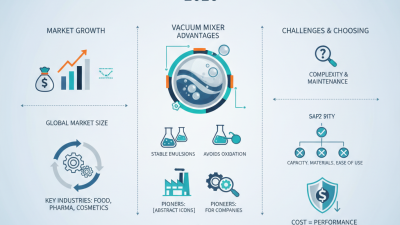
In the world of food processing and manufacturing, the Vacuum Mixerhas really become a must-have tool. I mean, recent numbers suggest that the global food processing equipment market might hit around $75 billion by 2025 – pretty amazing, right? Companies are definitely on the hunt for more efficient mixing solutions, which is why they’re turning to advanced tech like Vacuum Mixers. These machines actually offer some pretty cool benefits, like helping prevent oxidation and ensuring the product stays consistent.

So, what’s the deal with a Vacuum Mixer? Well, it basically pulls air out of the mix environment, which helps ingredients blend together better—especially in tricky emulsions. According to a report from Research and Markets, about 40% of food processors prefer vacuum technology because it’s so much more efficient. But here’s the thing: not all Vacuum Mixers are created equal. Some might not keep the vacuum tight enough, and that can mess with the consistency of the final product.

Getting a good grip on how a Vacuum Mixer works is pretty important. The design and how it operates can really make or break your product’s quality and how much you get out of it. Sure, investing in one might seem costly upfront, but if you pick the right model, it’s going to pay off in the long run. Staying on top of new innovations and trying out different mixer designs can totally boost your results — it’s all about keeping up in a competitive industry, after all.
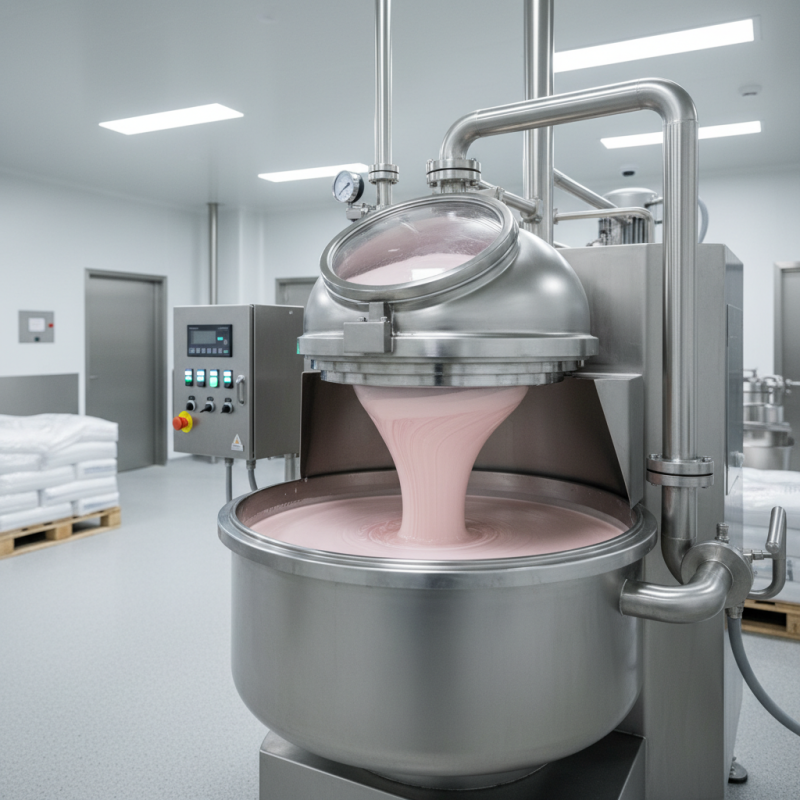
What is a Vacuum Mixer and How Does It Work?

What is a Vacuum Mixer?

A vacuum mixer is an essential machine in food processing and various manufacturing sectors. It combines ingredients under a vacuum to eliminate air. This process enhances the uniformity and quality of the mixture. It is widely used in applications that require precise blends, including pharmaceuticals and cosmetics. By removing air, vacuum mixers prevent oxidation and extend shelf life.

The operation of a vacuum mixer involves several key components. A sealed mixing chamber allows for the vacuum to form. The mixer combines solids, liquids, and powders thoroughly. Typically, the rotation speed of the mixer is adjustable. This feature is crucial for achieving the desired texture and consistency.

While vacuum mixers offer numerous benefits, they can be complex. Achieving the right vacuum level requires careful calibration. Overdoing it can lead to inefficient mixing or spoil the product. Users may need to spend time understanding the specifics of their machine. Reflection on the mixing process can lead to improvements and better results. Overall, integrating a Feed Mixer into production can elevate quality.

What is a Vacuum Mixer and How Does It Work?

Feature Description Advantages Applications
Mechanism A vacuum mixer operates by creating a vacuum environment to eliminate air bubbles. Improves mixing efficiency and quality; reduces oxidation. Used in food processing, pharmaceuticals, and cosmetics.
Types Includes batch vacuum mixers and continuous vacuum mixers. Versatility in structure allows for various processes. Ideal for creams, gels, and emulsions.
Vacuum Level The level of vacuum can be adjusted depending on the material being mixed. Customizable for different materials to achieve optimal results. Food ingredients, chemical compounds, and more.
Cleaning Easy to disassemble and clean. Ensures sanitation between batches. Suitable for industries requiring high hygiene standards.

Key Components of a Vacuum Mixer

A vacuum mixer is a specialized piece of equipment designed to blend ingredients under vacuum conditions. The primary goal is to reduce air bubbles and ensure a uniform mixture. Understanding the key components of a vacuum mixer is crucial for those in manufacturing and food processing industries.

One critical component is the vacuum chamber. This chamber creates a low-pressure environment that assists in the removal of air. Reports indicate that using a vacuum chamber can enhance mixing efficiency by up to 30%. This reduction in air leads to fewer defects in the final product. Another essential part is the mixing blades. These blades are engineered to provide powerful and efficient mixing, ensuring all ingredients are evenly distributed.

Additionally, a control panel plays a significant role in operating the vacuum mixer. It allows the operator to adjust parameters like speed and temperature. Industry data suggests that proper control can improve batch consistency by 20%. However, operators must remain vigilant. Mismanagement of settings can lead to inconsistent product quality. Overall, understanding these components aids in optimizing the mixing process and achieving superior results.

How Vacuum Mixing Works: The Process Explained

Vacuum mixing is a specialized process used in various industries, including food, pharmaceuticals, and cosmetics. Understanding how vacuum mixing works is critical for ensuring product quality and efficiency. The vacuum mixer removes air from the mixture before and during the blending process, significantly reducing the likelihood of oxidation. This is essential for preserving sensitive ingredients. According to a report by the American Institute of Chemical Engineers, vacuum mixing can reduce aeration by up to 90%, leading to a smoother and more consistent final product.

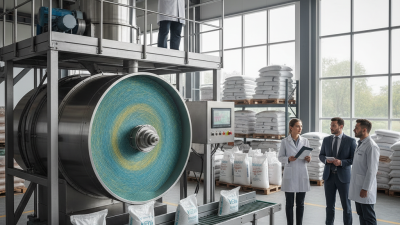
The process itself involves placing ingredients in a sealed chamber. A vacuum pump then creates negative pressure, allowing ingredients to blend uniformly. The absence of air bubbles enhances the texture, important for products relying on smoothness, like creams and sauces. A Cone Mixer, which employs a conical shape for effective mixing, can further enhance this process. Industry data suggests that using Cone Mixers can increase mixing efficiency by 30% compared to traditional methods.

However, challenges exist. Achieving the perfect balance of consistency and air removal can be tricky. Continuous monitoring is necessary to avoid over-mixing or under-mixing, which can lead to product defects. Collaboration with experienced operators and the right equipment is crucial to navigate these challenges effectively. Validation studies reveal that a thorough understanding of vacuum dynamics can significantly influence the quality of the final product, ensuring both reliability and safety.

Vacuum Mixer Performance Analysis

This chart illustrates the performance metrics of a vacuum mixer, including mixing speed, vacuum pressure, mixing time, and final viscosity measurements. Each metric plays a crucial role in determining the efficiency and effectiveness of the vacuum mixing process.

Benefits of Using a Vacuum Mixer in Production

What is a Vacuum Mixer and How Does It Work?

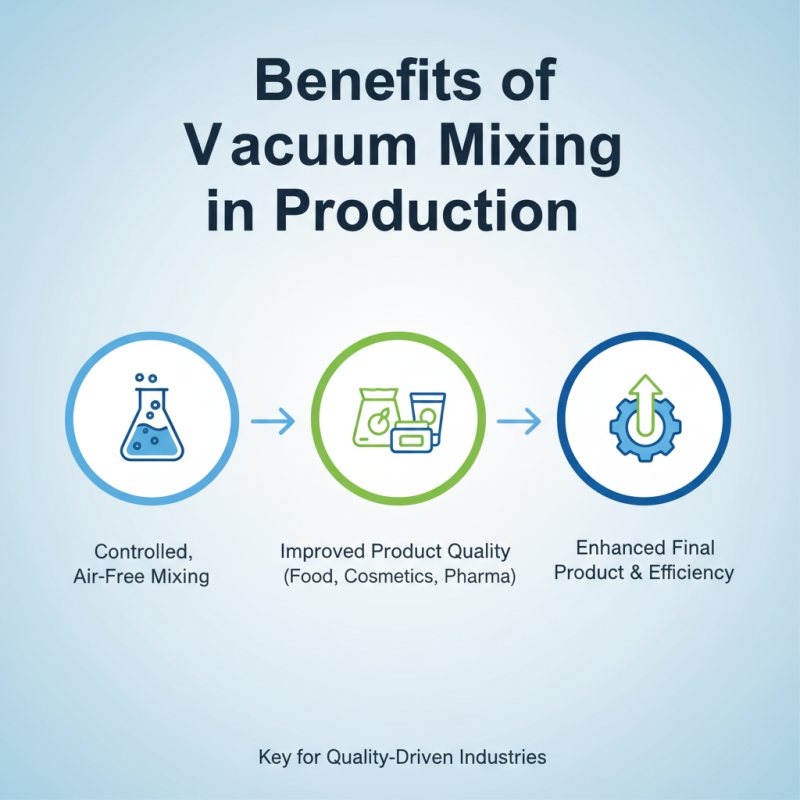
A vacuum mixer is a powerful tool used in various production processes. It creates a controlled environment to mix materials without air. This method is especially beneficial in industries like food, cosmetics, and pharmaceuticals where quality is crucial. Using a vacuum mixer can significantly improve the end product.

One major benefit of a vacuum mixer is its ability to remove air bubbles. Air can negatively impact the quality and consistency of mixtures. By eliminating air, the process ensures a smoother blend. This also enhances the shelf life of products, as reduced oxidation leads to better preservation.

Additionally, vacuum mixers can handle a wide range of materials with varied viscosities. This versatility allows manufacturers to experiment with different formulations. However, it’s essential to note that not all products may benefit from this process. Some mixtures may require a different approach for optimal results. Overall, vacuum mixers provide a reliable solution for producing high-quality products while giving manufacturers the flexibility to innovate.

Common Applications of Vacuum Mixers in Industry

Vacuum mixers are widely used in various industries, showcasing their versatility and efficiency. In food production, they ensure uniform blending of ingredients while removing air. This process enhances texture and flavor, making it essential for products like sauces and emulsions. The use of vacuum helps in preventing oxidation, which can degrade quality.


In the pharmaceutical field, vacuum mixers play a critical role in the production of ointments and creams. They mix active ingredients evenly, ensuring consistency in potency. This precise blending is vital for patient safety and effectiveness. An Atex Mixer is especially suited for environments with explosive dust or vapors. These mixers maintain safety standards while enhancing the quality of the final product.


Additionally, vacuum mixers are important in the cosmetic industry. They create emulsions and distribute pigments uniformly, which is crucial for skincare products. The removal of air during mixing also helps extend the shelf life of these products. However, users often struggle with optimizing the mixing time, which can lead to inconsistent outcomes. Monitoring and adjusting the process require ongoing assessment and expertise, showcasing the need for continual improvement.

Maintenance and Care for Vacuum Mixers

Vacuum mixers are essential in many industries, including food, pharmaceuticals, and chemicals. Proper maintenance and care of these machines can significantly extend their lifespan and improve efficiency. Regularly cleaning the vacuum chamber is crucial. Accumulated residue can lead to contamination and affect product quality. A study shows that routine cleaning can reduce maintenance costs by up to 30% over time.

Monitoring the seals and gaskets is also vital. Damaged components can allow air leaks, negatively impacting the vacuum quality. Replacing these parts as needed ensures optimal performance. According to industry reports, a well-maintained vacuum mixer can improve production consistency by 20%.

Tips: Regularly inspect components to prevent major issues. Use the right lubricants for moving parts. Ensure that the Nauta Mixer operates within recommended temperature ranges to enhance blending performance. Continuous monitoring and maintenance can help avoid unexpected failures. Keep track of maintenance schedules to ensure nothing is overlooked.

Choosing the Right Vacuum Mixer for Your Needs

What is a Vacuum Mixer and How Does It Work?

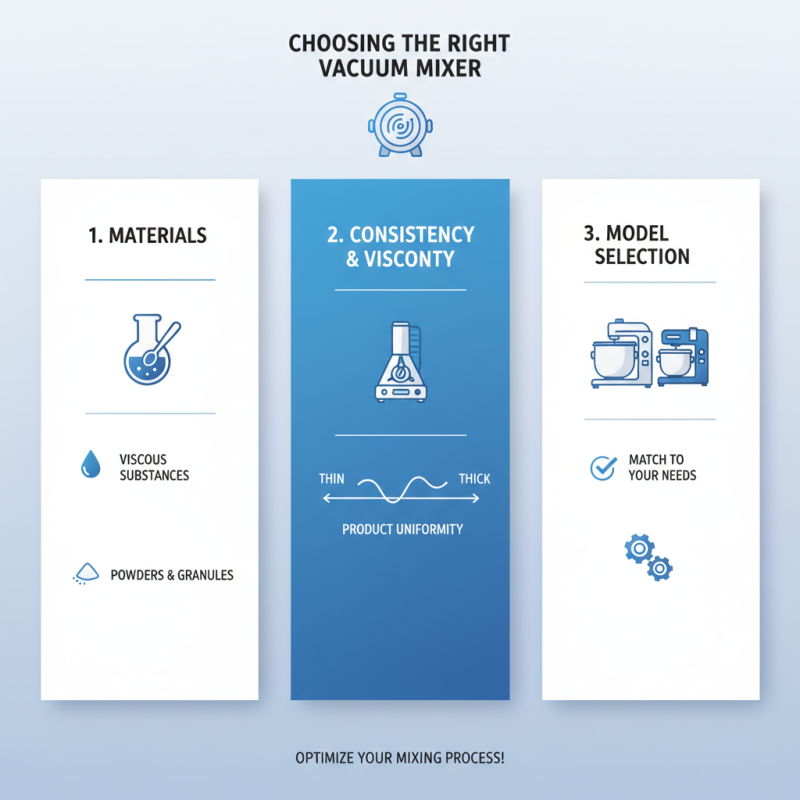
When choosing a vacuum mixer, it's essential to understand your specific needs. Consider the materials you will be mixing. Some vacuum mixers perform better with viscous substances, while others excel with powders or granules. Evaluate your product consistency and viscosity. This will dictate which model may suit you best.

Another factor to assess is batch size. A small-scale operation might benefit from a compact mixer. In contrast, a larger production line requires a more robust machine that accommodates higher volumes. Think about your workflow and how the mixer fits into it. Selecting the right size can lead to improved efficiency and reduced cycle times.

User feedback can also provide valuable insights. Look for reviews from professionals in your industry. They can reveal the strengths and weaknesses of various models. Consider this guidance while evaluating options. The right vacuum mixer can save time and enhance product quality, but it must align well with your production needs. Familiarize yourself with the available choices, and don't rush the decision-making process. Reflection on these points can lead to a more informed and satisfactory purchase.

FAQS

: What is the main purpose of a vacuum mixer?

: A vacuum mixer mixes materials without air, enhancing product quality in various industries.

How does a vacuum mixer improve product quality?

It removes air bubbles, ensuring smoother blends and prolonging shelf life.

Can vacuum mixers handle different types of materials?

Yes, they work with varied viscosities, but not all products may benefit from this method.

What maintenance is crucial for vacuum mixers?

Regular cleaning of the vacuum chamber is vital to prevent contamination and maintain quality.

How can damaged seals affect a vacuum mixer?

Damaged seals can lead to air leaks, negatively impacting vacuum quality and efficiency.

What should I consider when choosing a vacuum mixer?

Consider the materials' viscosity and your production's batch size to find the right model.

Why is user feedback important in selecting a vacuum mixer?

Feedback reveals strengths and weaknesses of mixers, helping you make an informed decision.

How can maintenance impact production efficiency?

Well-maintained mixers can improve consistency and reduce unexpected failures in production.

What is a common oversight people make when choosing a vacuum mixer?

Rushing the decision without fully understanding production needs can lead to poor choices.

What should be reflected on before purchasing a vacuum mixer?

Evaluate specific needs, batch sizes, and compatibility to ensure a satisfying purchase.

Conclusion

A Vacuum Mixer is a specialized piece of equipment designed to blend materials in a vacuum environment, which helps eliminate air pockets and reduce oxidation. The key components of a Vacuum Mixer include a mixing chamber, vacuum pump, and stirring mechanism, all of which work together to create a uniform mix. The process involves drawing out air before mixing, ensuring a more effective and consistent blend, especially for sensitive materials.

The benefits of using a Vacuum Mixer in production are significant, including improved product quality, reduced processing time, and enhanced shelf life. Common applications span various industries, such as food processing, pharmaceuticals, and cosmetic manufacturing. Proper maintenance and care for Vacuum Mixers are essential to ensure optimal performance and longevity. When choosing the right Vacuum Mixer, it is crucial to consider factors like batch size and material types to meet specific production needs efficiently.

Elena

Elena

Elena is a dedicated marketing professional with a profound expertise in the mixing solutions industry. Working at the forefront of our Shanghai manufacturing hub, she plays a pivotal role in showcasing our commitment to efficiency and reliability. With a strong background in product knowledge,......
Previous Top Cement Mixer Buying Guide for Global Buyers in 2026?